2026 Heat Pump Reliability Finder
Use this tool to identify the most reliable heat pump brand for your specific climate and home setup based on 2026 market data.
Recommended Choice
Why This Brand?
Buying a heating and cooling system is one of the most expensive home upgrades you will make. You want it to last. You want it to keep your house comfortable without breaking down in the middle of winter. The biggest question homeowners ask is simple: which brand actually holds up over time? There is no single "best" brand for everyone, but there are clear leaders in reliability based on parts quality, compressor technology, and long-term performance data.
In 2026, the market has shifted. Older models from ten years ago had different failure points than today’s units. Modern heat pumps are HVAC systems that provide both heating and cooling by transferring thermal energy between indoors and outdoors are more efficient, but they also rely on complex electronics. This means reliability now depends as much on software stability and component sourcing as it does on mechanical durability. Let’s look at the brands that consistently rank high for dependability and why they earn that reputation.
The Big Three: Market Leaders in Durability
When we talk about reliability, three names dominate the conversation: Daikin, A Japanese multinational specializing in air conditioning and refrigeration equipment, known for proprietary compressors and global manufacturing standards, Mitsubishi Electric, A major electronics manufacturer renowned for its ductless mini-split systems and advanced inverter technology, and Lennox, An American HVAC manufacturer famous for high-efficiency residential heating and cooling solutions with strong North American support networks. These companies invest heavily in research and development, which translates to fewer breakdowns in the field.
Daikin owns the patent for the R32 refrigerant and has been using its own compressors for decades. Because they manufacture their core components in-house, they control the quality strictly. If a Daikin unit fails, it is rarely due to a bad part from a third-party supplier. Their outdoor cabinets are built with thick-gauge steel and corrosion-resistant coatings, which matters if you live in a coastal area or a region with heavy road salt use.
Mitsubishi Electric is the king of the ductless mini-split, A type of heat pump system that uses an outdoor condenser connected to one or more indoor air-handling units without requiring ductwork category. Their P-Series inverters are legendary among technicians for running quietly and lasting longer than average. The secret is their precision engineering. They don’t just throw parts together; they calibrate the fan speeds and compressor cycles to minimize wear and tear. For homes without existing ducts, this is often the most reliable choice because there are fewer moving parts inside the walls to fail.
Lennox brings American manufacturing rigor to the table. Their Merit and Elite series are designed for extreme climates. If you live somewhere that drops below zero Fahrenheit regularly, Lennox’s cold-climate performance is top-tier. They use robust scroll compressors that handle high pressure differences well. Plus, their dealer network in the US is vast, meaning if something does go wrong, finding a technician who knows how to fix it is easier than with some niche European brands.
Strong Contenders: Value and Performance Balance
Not everyone wants to pay the premium price for the top-tier brands. That’s where brands like Trane, A leading HVAC brand owned by Trane Technologies, known for durable commercial and residential heating and cooling equipment, Carrier, One of the oldest HVAC companies, credited with inventing modern air conditioning, offering a wide range of reliable residential systems, and Fujitsu, A Japanese electronics company producing highly rated ductless heat pumps known for strong heating capacity in low temperatures come into play. These brands offer excellent reliability at a slightly lower entry cost.
Trane and Carrier are sister companies under Trane Technologies. They share many components, including compressors and circuit boards. Their reliability is solid because they have been around for over a century. They know what breaks and they design around it. Trane’s TrueComfort line, for example, uses variable-speed technology that reduces cycling stress on the system. Less cycling means less wear. Carrier’s Infinity series offers similar benefits. Both brands have massive parts availability, so repairs are quick and affordable.
Fujitsu has become a favorite among DIY enthusiasts and budget-conscious homeowners. Their General Series mini-splits are priced aggressively but do not skimp on the compressor. In fact, many Fujitsu units use the same basic compressor architecture as higher-end Mitsubishi models. The trade-off is usually in the features-fewer smart home integrations or simpler remote controls-but the core job of heating and cooling is done reliably. For a garage, office, or secondary bedroom, Fujitsu offers incredible value without sacrificing lifespan.
Why Brand Isn't Everything: The Installation Factor
You can buy the most reliable heat pump in the world, and it will still fail early if installed poorly. This is the hardest truth in HVAC. A study by the Air Conditioning Contractors of America (ACCA) found that nearly half of all HVAC problems stem from improper installation. Leaky refrigerant lines, incorrect electrical connections, and poor airflow design can kill a premium unit in five years.
Think of it like buying a Ferrari. If you put cheap tires on it and drive it off-road, it won’t matter how good the engine is. The same applies to heat pumps. The installer needs to size the unit correctly using a Manual J load calculation. An oversized unit will short-cycle, turning on and off too frequently, which wears out the compressor. An undersized unit will run constantly, overheating and burning out components. Always hire a contractor who performs these calculations and follows the manufacturer’s installation guidelines to the letter.
| Brand | Best For | Average Lifespan | Key Strength | Potential Weakness |
|---|---|---|---|---|
| Daikin | Ducted & Ductless Systems | 15-20 years | In-house component manufacturing | Higher upfront cost |
| Mitsubishi Electric | Ductless Mini-Splits | 15-20 years | Precision inverter technology | Complex electronics require specialized repair |
| Lennox | Cold Climates & Whole-House | 15-20 years | Strong dealer network & cold weather performance | Proprietary parts can be expensive |
| Trane | Residential Ducted Systems | 12-18 years | Durability & parts availability | Variable speed models are pricey |
| Fujitsu | Budget Ductless Additions | 12-15 years | Value for money & strong heating | Limited service network in rural areas |
What Makes a Heat Pump Fail?
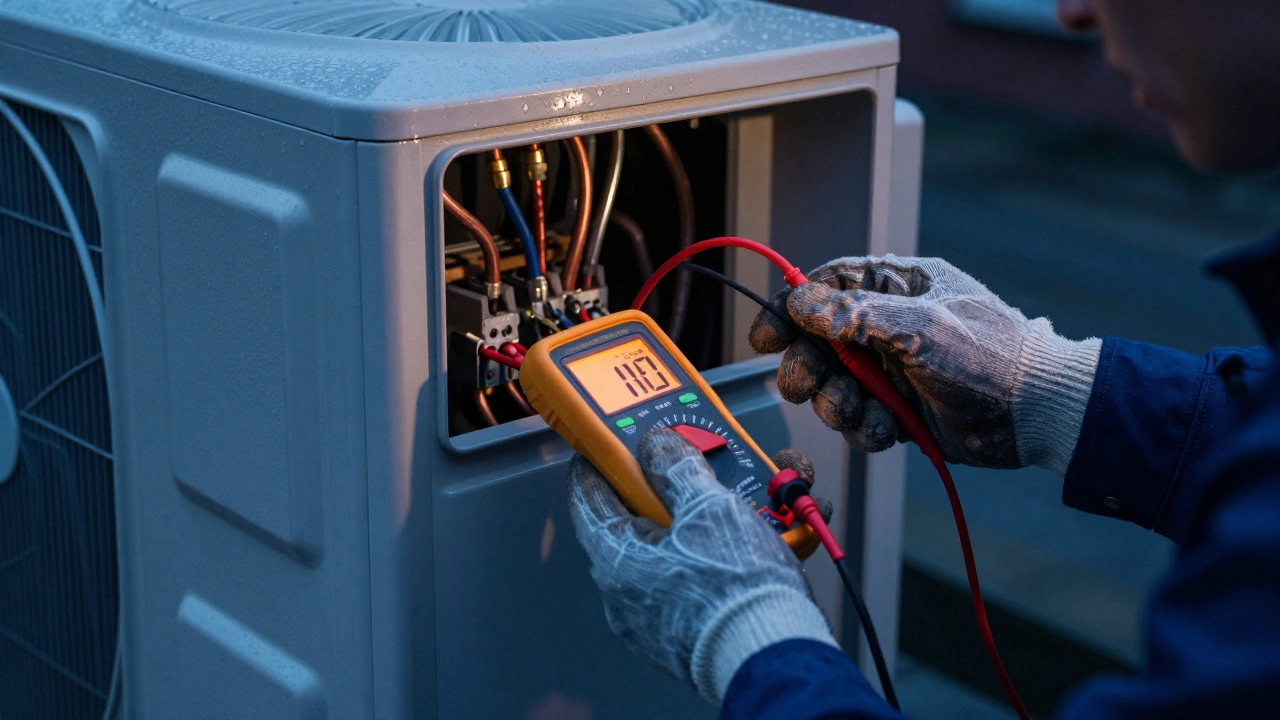
To understand reliability, you need to know what breaks. Most heat pump failures fall into three categories: compressor burnout, capacitor failure, and refrigerant leaks.
Compressor burnout is the big one. It usually happens because of voltage spikes or lack of maintenance. If the coils get dirty, the heat can’t escape, and the compressor overheats. Capacitors are small but vital. They give the motor a jolt to start spinning. Cheap capacitors fail after a few years, causing the unit to stop working entirely. High-quality brands use industrial-grade capacitors that last much longer. Refrigerant leaks are often caused by poor brazing during installation. Once refrigerant is gone, the system can’t cool or heat, and running it dry destroys the compressor.
This is why regular maintenance is non-negotiable. Cleaning the coils, checking the refrigerant levels, and inspecting electrical connections once a year can add five to ten years to the life of any brand. Even the most reliable heat pump will suffer if neglected.
Warranty vs. Reliability
Don’t confuse warranty length with reliability. Some brands offer 10-year parts warranties, while others offer 5 years. A longer warranty might mean the manufacturer expects more issues, or it might mean they are confident in their product. Look at the terms. Does the warranty cover labor? Usually, it doesn’t. Labor costs can be high, especially for electronic board replacements. A brand with a shorter warranty but a reputation for needing fewer repairs is often a better financial bet than one with a long warranty and frequent minor issues.
Also, check if the warranty requires annual professional maintenance to stay valid. Many manufacturers void the warranty if you can’t prove you had the system serviced. Keep your records. It’s a small hassle that saves thousands later.
Choosing Based on Your Climate
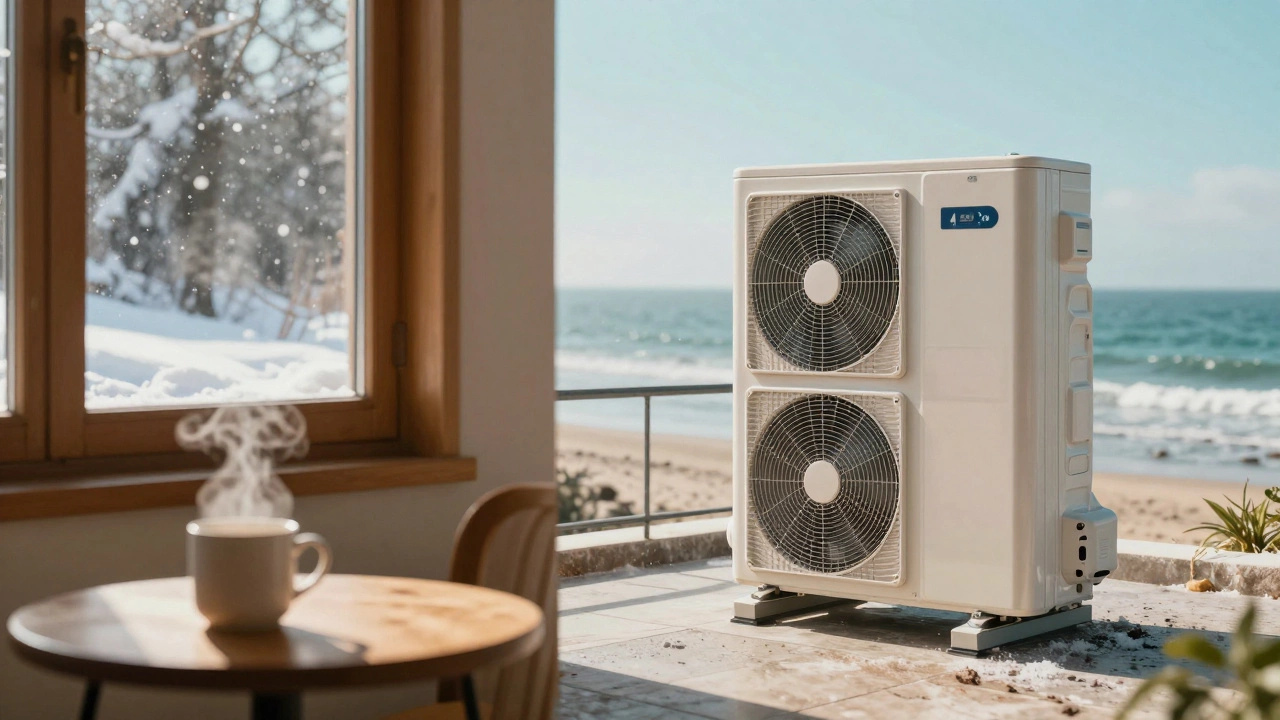
Your location dictates which brand will be most reliable for you. If you live in Florida, humidity and salt air are your enemies. You need a unit with excellent corrosion protection. Daikin and Carrier offer enhanced cabinet finishes for coastal regions. If you live in Minnesota, cold is the enemy. You need a heat pump that doesn’t lose efficiency when it’s -10°F. Lennox and Mitsubishi Electric excel here with their cold-climate inverters that maintain heating output even in deep freezes.
If you live in a moderate climate like California, almost any reputable brand will work. Here, efficiency and noise level might matter more than extreme durability. In these cases, Fujitsu or mid-range Trane models offer great performance without the premium price tag.
The Role of Technology in Longevity
Newer heat pumps are smarter. They use Wi-Fi modules to monitor performance and alert technicians to potential issues before they become catastrophic. Brands like Nest-compatible Lennox systems or Daikin’s Emura series can detect irregularities in voltage or airflow. This proactive approach extends lifespan because problems are caught early. However, more technology also means more things that can glitch. Software updates can sometimes introduce bugs. Stick with established brands that have mature software ecosystems to avoid headaches.
Final Thoughts on Making the Right Choice
There is no magic bullet. The most reliable heat pump is the one that is correctly sized, professionally installed, and maintained regularly. Among brands, Daikin, Mitsubishi Electric, and Lennox lead the pack for pure durability and engineering quality. Trane and Carrier offer robust alternatives with widespread support. Fujitsu provides exceptional value for smaller applications. Do your homework, get multiple quotes, and prioritize the installer’s reputation as much as the brand name. Your comfort and wallet will thank you.
Which heat pump brand lasts the longest?
Daikin, Mitsubishi Electric, and Lennox are generally considered to have the longest lifespans, often reaching 15 to 20 years with proper maintenance. Their high-quality components and precise engineering reduce wear and tear over time.
Is a ductless heat pump more reliable than a central system?
Ductless mini-splits can be more reliable because they have fewer internal components and no ductwork to leak air or accumulate dust. However, central systems are simpler to maintain if you already have ducts. Reliability depends more on installation quality than the system type.
How often should I service my heat pump?
You should service your heat pump at least once a year, ideally before the heating season starts. Annual maintenance includes cleaning coils, checking refrigerant levels, inspecting electrical connections, and testing safety controls.
Are cheaper heat pump brands less reliable?
Not necessarily. Budget brands like Fujitsu or Goodman can be very reliable for standard applications. However, they may use lower-grade materials or simpler electronics that might not hold up as well in extreme conditions or heavy usage scenarios compared to premium brands.
Does the installer matter more than the brand?
Yes, significantly. A poorly installed premium heat pump will fail faster than a well-installed budget model. Proper sizing, refrigerant charging, and electrical work are critical. Choose a licensed, experienced contractor with good reviews over simply picking a brand name.