Freezer Repair vs Replace Calculator
Input Details
Enter your details and click "Analyze Decision" to see our recommendation.
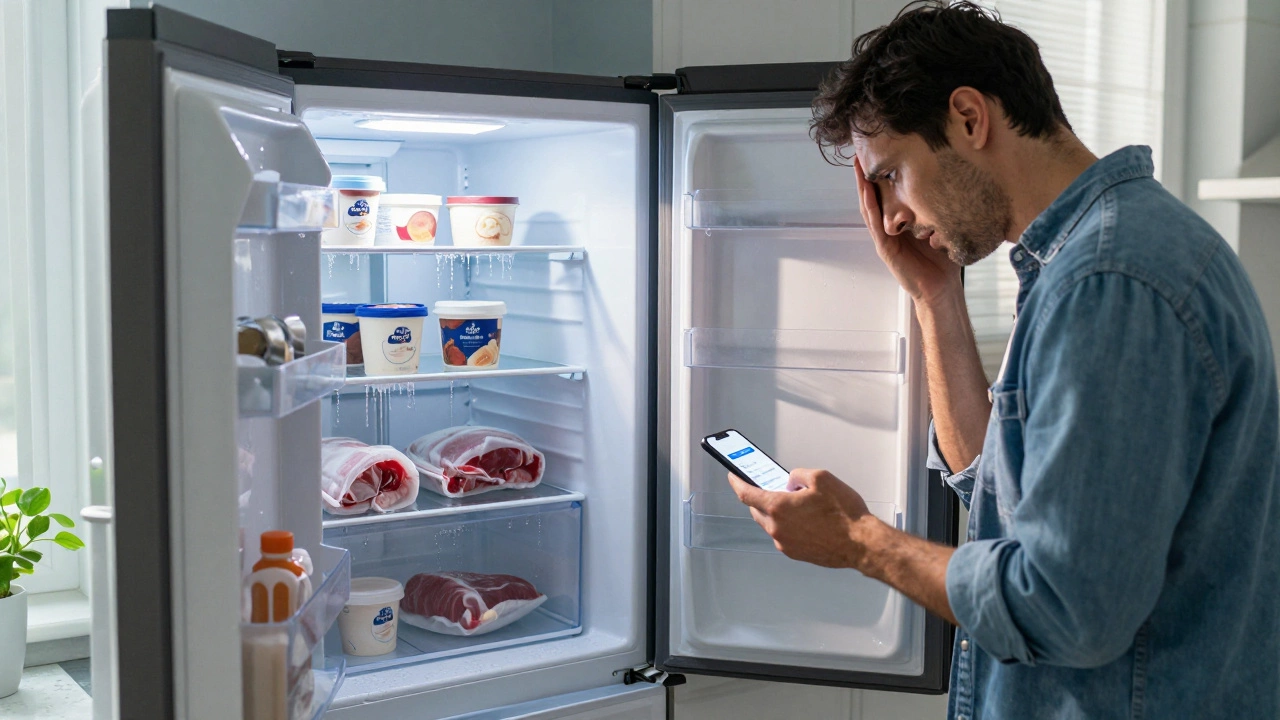
Your freezer stops keeping things frozen. The ice cream is melting, the meat is thawing, and you are staring at a bill for groceries that might spoil within hours. This is one of those stressful household moments where money and logistics collide instantly. You have two choices: call a technician to fix it, or drive to a store and buy a new unit. But which path actually saves you money in the long run?
The short answer depends on three things: the age of your current freezer, the specific part that failed, and the price of replacement units today. There is no single rule that applies to every kitchen, but there are clear financial thresholds that can guide your decision. If you rush into buying a new model without checking the repair quote, you might spend $1,500 when a $300 fix would have done the trick. On the flip side, pouring cash into a dying machine is just throwing good money after bad.
The 50% Rule: A Simple Financial Benchmark
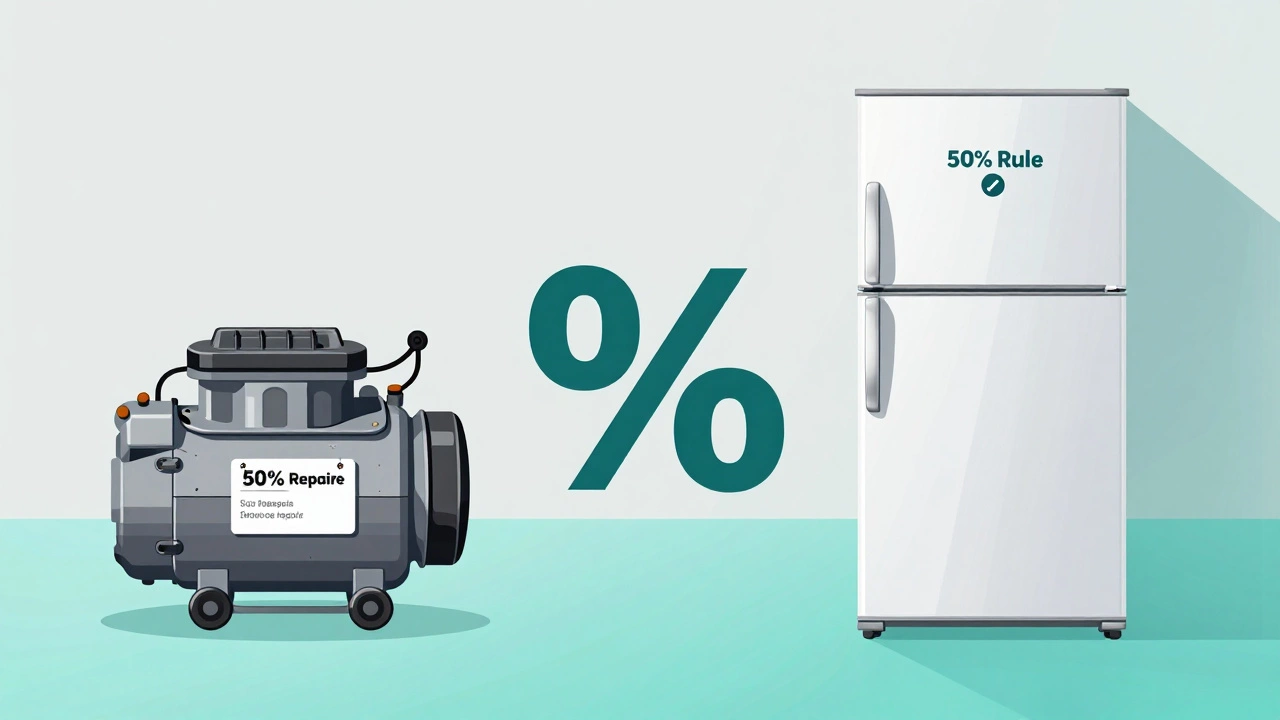
When deciding whether to repair or replace a freezer, most appliance experts use a simple heuristic known as the 50% rule. It works like this: if the cost of the repair is more than 50% of the price of a comparable new freezer, you should usually replace the old one. This isn't just about the immediate cash outlay; it's about risk management and efficiency.
Let's break down why this rule exists. Older freezers are less energy-efficient. A unit from ten years ago likely consumes significantly more electricity than a modern Energy Star-rated model. When you pay for a major repair on an old, inefficient machine, you are also committing to higher monthly power bills for the remaining life of that appliance. A new freezer might cost more upfront, but it pays for itself over time through lower energy consumption and better temperature control.
However, the 50% rule has exceptions. If your freezer is only two years old and under warranty, the repair cost might be zero or very low, making replacement nonsensical. Conversely, if you own a high-end, built-in custom unit that costs $4,000 to replace, spending $800 on a compressor repair makes perfect sense, even if it exceeds 50% of a standard standalone model's price. Context matters.
Decoding the Repair Costs
To make an informed choice, you need to understand what technicians charge. In Perth, Australia, as of mid-2026, labor rates for licensed appliance repairers typically range between $90 and $130 per hour. Most jobs require at least one hour of travel and diagnosis, plus the time spent fixing the issue. Parts add another layer of cost.
| Component | Estimated Part Cost | Labor Time | Total Estimate |
|---|---|---|---|
| Door Seal/Gasket | $50 - $120 | 0.5 - 1 hour | $140 - $250 |
| Thermostat/Sensor | $40 - $90 | 1 hour | $130 - $220 |
| Evaporator Fan Motor | $80 - $150 | 1.5 hours | $215 - $345 |
| Defrost Heater/Timer | $60 - $110 | 1.5 hours | $200 - $300 |
| Compressor | $300 - $600 | 3 - 4 hours | $600 - $1,100+ |
Notice the jump in cost for the compressor. The compressor is the heart of the refrigeration system. When it fails, the repair is complex, requires specialized tools, and uses expensive parts. If your diagnostic reveals a bad compressor, the 50% rule almost always points toward replacement unless you have a premium built-in unit.
Smaller issues, like a worn door seal or a faulty thermostat, are cheap fixes. These components wear out due to friction and age. Replacing them is often worth it because they restore performance without breaking the bank. If your freezer is leaking air because the rubber gasket is cracked, fixing it prevents frost buildup and keeps the motor from working overtime.
Factors That Push Toward Replacement
Even if the repair quote looks reasonable, other factors might make buying new the smarter move. Age is the biggest indicator. The average lifespan of a standalone freezer is between 10 and 15 years. Once you cross that decade mark, failure becomes more frequent. You might fix the thermostat today, only for the fan motor to die six months later. Each repair adds up, and eventually, the cumulative cost exceeds the price of a new unit.
Energy efficiency is another critical factor. Regulations in Australia have tightened regarding appliance energy ratings. A freezer manufactured before 2015 likely has a much lower star rating than models available today. With electricity prices continuing to rise, an old freezer could be costing you hundreds of dollars extra per year in running costs. Calculate this by checking the annual kWh usage on your old unit’s label versus a new model’s spec sheet. Multiply the difference by your local electricity rate (roughly 30-35 cents per kWh in Western Australia) to see the real yearly cost.
Availability of parts is also a growing concern. Manufacturers stop producing spare parts for older models. If your freezer is a niche brand or a discontinued line, finding a matching evaporator coil or control board might take weeks, or it might not be possible at all. Technicians often recommend replacement in these cases simply because they cannot guarantee a timely fix.
When Repair Makes Sense
There are scenarios where repairing is clearly the winner. First, check your warranty. If your freezer is less than five years old, it may still be covered by a manufacturer’s warranty or an extended service plan. In this case, the repair cost might be limited to a small service fee. Never bypass a valid warranty claim to buy a new unit unless the hassle outweighs the benefit.
Second, consider the type of freezer. Built-in underbench or integrated freezers are significantly more expensive to replace than standalone upright or chest models. A built-in unit requires cabinetry modifications and professional installation, pushing the total replacement cost well above $2,000. Spending $500 to fix a built-in unit is financially sound, even if the machine is eight years old.
Third, environmental impact matters. Appliance waste is a significant issue. Manufacturing a new freezer involves mining metals, producing plastics, and transporting heavy goods. Extending the life of your current appliance by two or three years through minor repairs reduces your carbon footprint. If the fix is simple and the machine runs well afterward, you’ve made an eco-friendly choice.
Calculating the True Cost of Ownership
To make the final decision, create a simple comparison table for yourself. List the cost of the repair quote against the cost of a new freezer, including delivery and removal fees. Don’t forget to add the estimated energy savings of a new model over the next five years. Subtract any trade-in value you might get for your old unit.
Ask yourself: How important is reliability right now? If you rely on your freezer for medical supplies, large family meals, or bulk shopping, the downtime associated with waiting for parts or installing a new unit carries a hidden cost. Sometimes, paying for a quick repair ensures continuity, while buying new might involve a gap of several days where you have no cold storage.
If you decide to replace, look for models with inverter compressors. These adjust their speed based on demand, leading to quieter operation and better energy efficiency. They are becoming the standard in 2026 and offer a noticeable upgrade in performance compared to traditional on/off compressors.
Immediate Steps Before You Decide
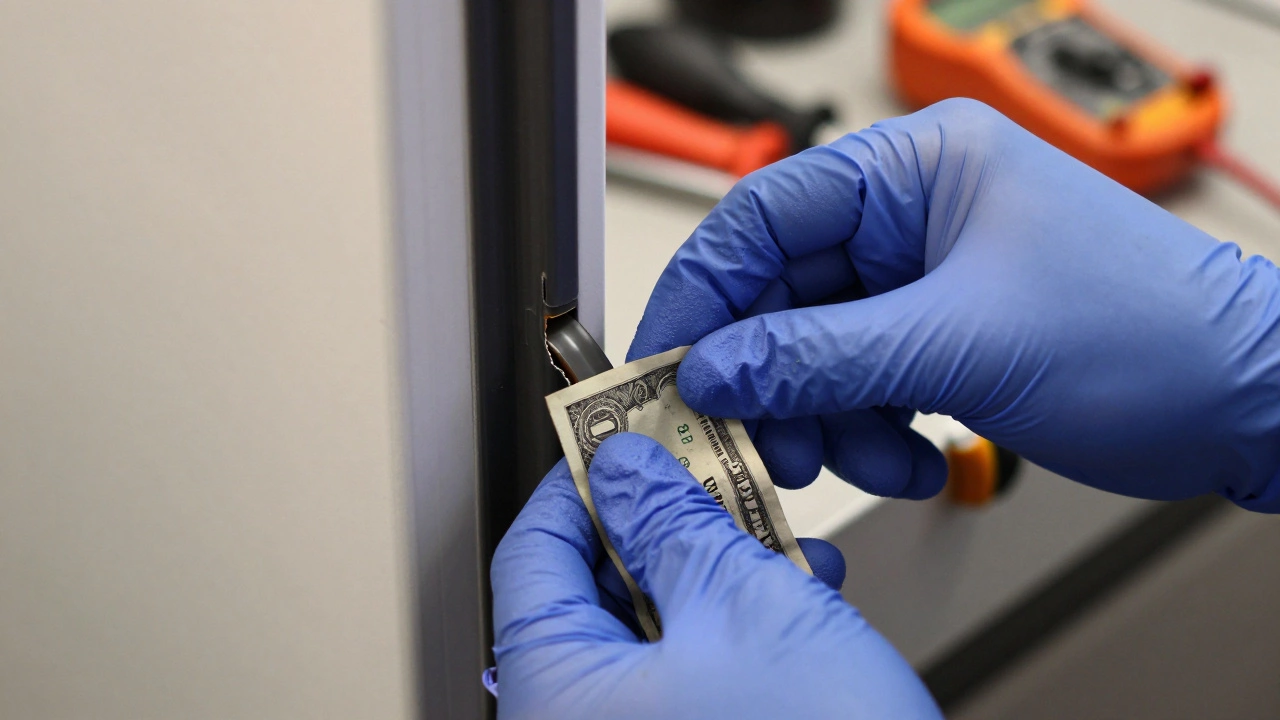
Before calling anyone, unplug the freezer and let it defrost completely if there is excessive ice buildup. Sometimes, a frozen evaporator coil caused by a stuck defrost timer can mimic a compressor failure. Cleaning the coils behind the unit and ensuring proper airflow around the appliance can also resolve cooling issues temporarily. Check the door seals by closing a dollar note in the door; if it slides out easily, the seal is weak.
If basic troubleshooting doesn’t work, get two quotes. One from a specialized fridge/freezer repairer and one from a general appliance technician. Specialized technicians often know the quirks of specific brands and can diagnose faster. Compare their estimates using the 50% rule and the age of your unit. If both quotes are high and your freezer is over ten years old, start browsing new models. If the quotes are low and the unit is younger, go ahead with the repair.
This decision isn't just about fixing a broken thing; it's about optimizing your household budget and energy use. By looking at the numbers objectively, you avoid emotional spending and ensure you get the most value from your kitchen appliances.
How much does it cost to repair a freezer in Perth?
In Perth, minor repairs like replacing a thermostat or door seal typically cost between $140 and $250 AUD. Major repairs involving the compressor or sealed system can range from $600 to over $1,100 AUD, depending on labor rates and parts availability.
Is it worth repairing a 10-year-old freezer?
It depends on the repair cost. If the fix is under $300 and involves a simple part like a fan motor, it might be worth it. However, if the repair exceeds 50% of the price of a new freezer, or if the compressor needs replacing, it is usually better to replace a 10-year-old unit due to declining efficiency and reliability.
What are signs my freezer needs replacement instead of repair?
Signs include frequent breakdowns, excessive noise, constant frost buildup despite working defrost cycles, high energy bills, and visible damage to the interior lining. If the compressor is failing or parts are no longer manufactured, replacement is the logical choice.
How long does a typical freezer last?
A standalone freezer typically lasts between 10 and 15 years. Built-in models may last slightly longer due to higher build quality, but their repair costs are significantly higher. Chest freezers often outlast upright models because they have simpler mechanisms and retain cold better during power outages.
Can I save money by doing the repair myself?
You can save on labor costs for simple tasks like replacing door seals, filters, or thermostats if you are handy. However, repairs involving refrigerant lines, compressors, or electrical boards require licensed professionals due to safety risks and legal regulations regarding gas handling.