Microwave Magnetron Diagnostic Tool
Instructions: Select all the symptoms you are experiencing with your microwave below. The tool will analyze the likelihood of magnetron failure and provide cost estimates.
No Heat
Turntable spins but food stays cold
Loud Noise
Loud buzzing, rattling, or humming
Sparks/Arcing
Blue flashes or sparks inside cavity
Burning Smell
Electrical burning odor or smoke
Intermittent Heating
Works sometimes, slow other times
Old Unit (>7 Years)
Microwave is older than average lifespan
Diagnosis Results
Failure Probability
Select symptoms to calculate probability.
Recommended Action
Waiting for analysis...
Please select at least one symptom above.
Estimated Cost Analysis (AUD)
Typical range: $150 - $350 AUD
Average replacement unit price
Your microwave hums away for two minutes, but your coffee is still cold. It’s frustrating, right? You check the plug, you restart the machine, but nothing changes. The culprit is likely the magnetron, which is the high-power vacuum tube that generates the microwaves needed to heat food. This component is the heart of your appliance. When it fails, the microwave might look perfectly fine on the outside, but it won’t do its job.
Identifying a bad magnetron early can save you from wasting time and electricity. More importantly, it prevents potential safety hazards. If you suspect this part is failing, you need to know exactly what to look for. Here are the most common symptoms that point directly to magnetron failure.
No Heat but the Turntable Spins
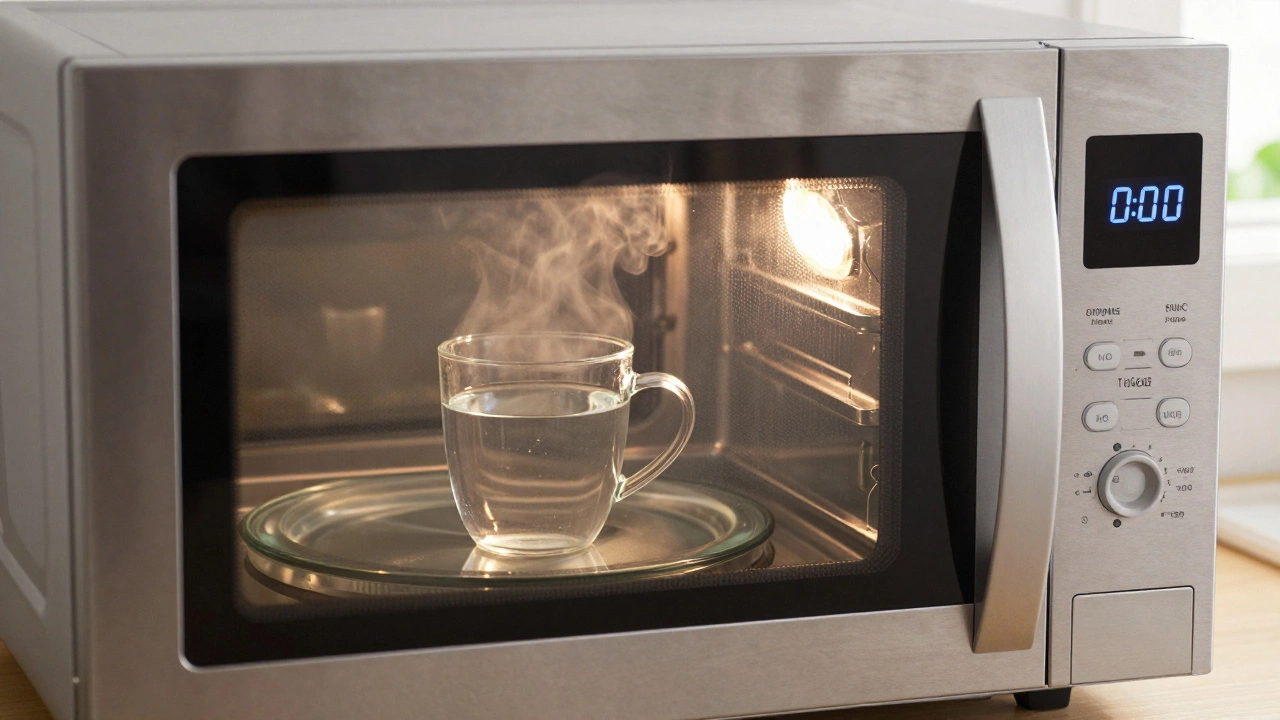
This is the classic sign. You put a cup of water inside, set the timer, and watch the turntable rotate. The interior light turns on, the display counts down, and the fan might even run. But when the cycle ends, the water is room temperature. If your microwave runs but doesn’t heat, the magnetron is often the primary suspect.
Before jumping to conclusions, rule out simpler issues. Check if the door latch is engaging properly. A faulty door switch can stop power from reaching the magnetron without stopping the motor or lights. However, if the switches are fine and there is still zero heat, the magnetron has likely burned out. This happens because the filament inside the tube breaks or the cathode wears out over years of use.
Loud Humming or Buzzing Without Heat
Listen closely to your microwave while it’s running. A healthy unit makes a low, steady hum. If you hear a loud buzzing, rattling, or a sound like a dying bee, pay attention. This noise often comes from the magnetron vibrating excessively or an internal arc occurring within the tube.
If the noise is accompanied by a lack of heating, the magnetron is struggling to generate energy. Sometimes, the high-voltage capacitor or diode is the real issue, causing the magnetron to receive unstable power. But frequently, the magnetron itself is degrading. Ignoring this noise can lead to complete failure or, in rare cases, damage to the waveguide cover.
Sparks or Arcing Inside the Cavity
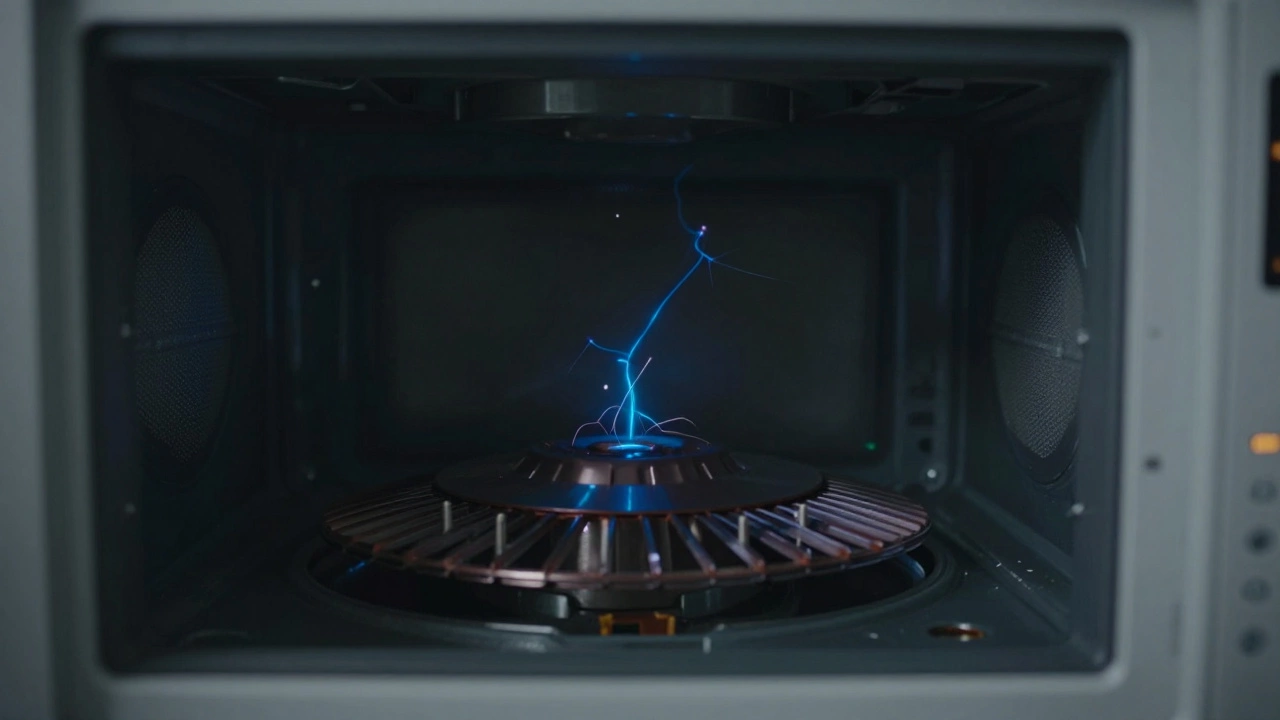
Seeing blue sparks or flashes of light inside the microwave is never normal. While metal utensils cause arcing, spontaneous sparking with empty space or just a ceramic plate points to a serious problem. A failing magnetron can leak energy unevenly, causing arcs between the tube and the cavity walls.
You might also see burning marks on the back wall of the microwave, near where the magnetron connects. This area is covered by a mica sheet or a metal waveguide cover. If these are burnt or melted, the magnetron may have been sending erratic bursts of energy. Stop using the appliance immediately. Continued use can damage the transformer or create a fire risk.
Burning Smell or Smoke
A distinct electrical burning smell coming from the microwave is a red flag. If you open the door and see smoke or notice scorch marks around the vent areas, the magnetron could be overheating. These tubes operate at extremely high temperatures. When internal components degrade, insulation breaks down, leading to short circuits.
This symptom requires immediate action. Unplug the device. Do not attempt to clean it and hope the smell goes away. The odor indicates that plastic or wire insulation inside the magnetron assembly is melting. Continuing to run the microwave poses a significant fire hazard and can release toxic fumes.
Intermittent Heating Performance
Sometimes the failure isn’t total. Your microwave might heat food slowly one day and work normally the next. This intermittent behavior suggests the magnetron is on the verge of failure. The internal connections may be loose, or the cathode emission is becoming inconsistent.
You might notice that certain foods take longer to cook than they used to. For example, reheating leftovers that usually take 90 seconds now requires three minutes. This gradual decline in performance is typical as the magnetron ages. Most magnetrons last between seven and ten years, depending on usage frequency. Once the heating becomes unreliable, replacement is usually more cost-effective than repeated repairs.
How to Confirm Magnetron Failure
Diagnosing a magnetron requires caution. Microwaves contain high-voltage capacitors that can hold a lethal charge even when unplugged. Never open the casing unless you are qualified. However, you can perform some basic checks to narrow down the issue.
- The Water Test: Place a microwave-safe cup filled with water inside. Run the microwave on high for one minute. If the water is cold, the magnetron or the power supply to it is faulty.
- Visual Inspection: Look through the vents or remove the outer case (if safe and legal in your region) to check for burnt components, bulging capacitors, or damaged wiring connected to the magnetron.
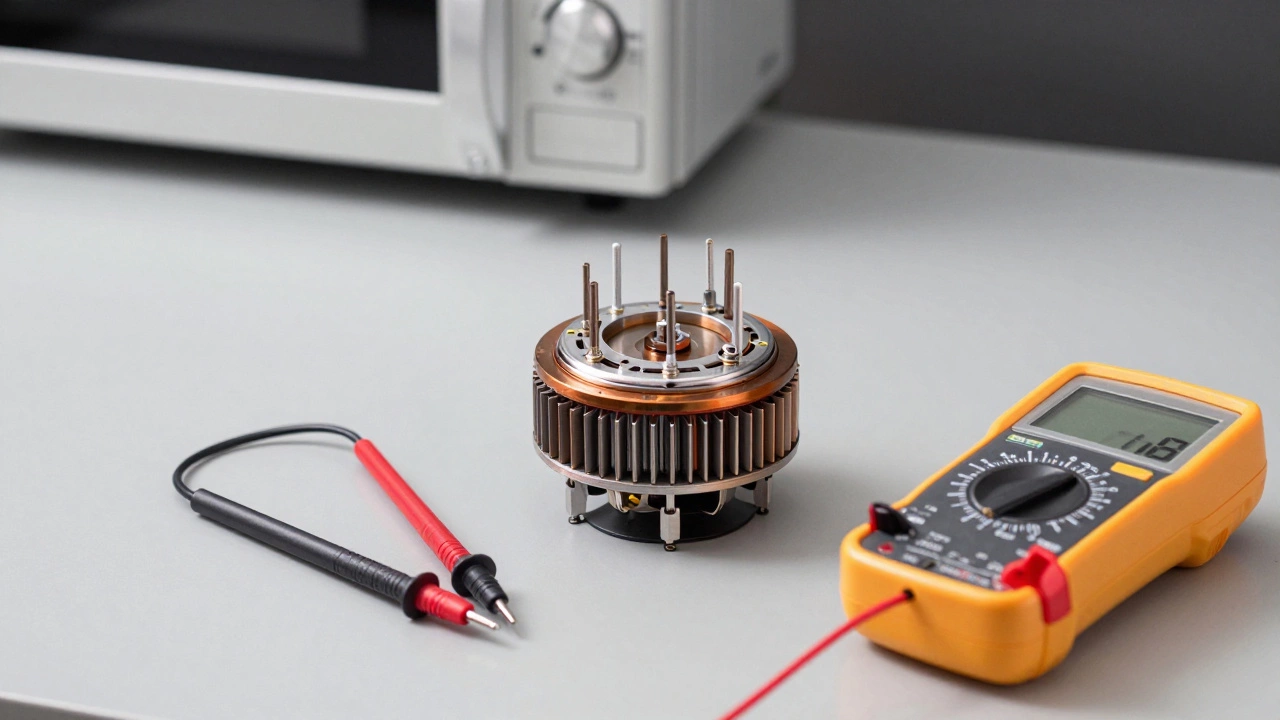
- Multimeter Check: A technician will use a multimeter to test the filament resistance of the magnetron. A reading of infinity means the filament is broken. A reading close to zero might indicate a short circuit.
If you are not comfortable with electrical testing, call a professional. In Perth, Australia, licensed appliance repair technicians can diagnose and replace magnetrons safely. They have the tools to discharge capacitors and verify other components like the high-voltage diode and transformer.
| Symptom | Likely Cause | Action Required |
|---|---|---|
| No heat, but spins | Bad magnetron, faulty door switch, or blown thermal fuse | Check switches first; replace magnetron if switches are good |
| Loud buzzing/noise | Failing magnetron, worn fan motor, or loose mounting screws | Inspect magnetron mounting; replace if noisy and not heating |
| Sparks/Arcing | Damaged waveguide cover, metal objects, or leaking magnetron | Replace mica sheet; inspect magnetron if arcing persists |
| Burning smell | Overheating magnetron, burnt insulation, or food spillage | Unplug immediately; professional inspection required |
Repair vs. Replace: Making the Decision
Replacing a magnetron involves disassembling the microwave, removing the old tube, and installing a new one. Parts typically cost between $50 and $150 AUD, depending on the model. Labor adds another $100 to $200. If your microwave is older than eight years, buying a new unit might be more economical. Modern microwaves are more energy-efficient and come with better safety features.
However, if your appliance is relatively new or a high-end model, repairing the magnetron extends its life significantly. Always ensure the replacement part matches the wattage and voltage specifications of the original. Using an incorrect magnetron can void warranties and create safety risks.
Safety Precautions When Handling Microwaves
Never ignore warning signs. A malfunctioning magnetron can expose users to non-ionizing radiation leaks, though modern units have interlocks to prevent this. Still, physical damage to the cavity or door seal compromises safety. Keep the microwave clean to prevent carbon buildup, which can cause arcing and stress the magnetron. Avoid running the microwave empty, as the energy reflects back into the tube, causing rapid overheating and failure.
Can I fix a bad magnetron myself?
It is possible but dangerous. Microwaves contain high-voltage capacitors that can deliver a lethal shock even when unplugged. Unless you have experience with high-voltage electronics and proper discharge tools, hire a professional technician.
How long does a magnetron last?
On average, a magnetron lasts between seven and ten years with regular use. Heavy daily use or frequent operation on high power can shorten this lifespan. Signs of wear include reduced heating efficiency and unusual noises.
Why is my microwave humming but not heating?
This usually indicates a failed magnetron, a faulty high-voltage diode, or a bad capacitor. The humming comes from the transformer working, but if the magnetron isn't converting that energy into microwaves, no heat is produced.
Is it safe to use a microwave with a bad magnetron?
No. A failing magnetron can spark, smoke, or leak radiation. It also poses a fire risk due to overheating components. Stop using the appliance immediately and seek professional repair or replacement.
What causes a magnetron to fail?
Common causes include age-related wear, running the microwave empty, damage from metal objects inside, and power surges. Overheating due to poor ventilation or blocked fans can also accelerate failure.