
Water Heater Health Checker
Enter your water heater's details below to receive a personalized assessment on whether to repair, maintain, or replace your unit.
Unit Details
Assessment Result
Key Factors Identified:
Fill in the details and click "Analyze" to see recommendations.
Imagine stepping into the shower on a cold Tuesday morning, only to be hit by a blast of lukewarm air instead of hot water. It’s not just annoying; it’s a warning siren. Most homeowners ignore their water heater until it completely quits, but waiting for total failure often means dealing with flooded basements and emergency repair bills. If you’re wondering whether your unit is on its last legs, you need to look past the temperature dial and pay attention to the physical symptoms your system is showing you.
The Age Factor and Expected Lifespan
Before you start hunting for leaks, check the manufacture date. You can usually find this on a label wrapped around the tank or in the serial number. A standard storage-tank water heater typically lasts between 8 and 12 years. Gas models might stretch closer to 10-15 years if maintained well, while electric ones often cap out at 8-10 years due to heating element wear. If your unit is pushing 10 years old, any minor issue should be treated as a potential end-of-life signal. Replacing an aging unit proactively is almost always cheaper than replacing one that has burst and damaged your flooring.
Rusty Water and Discolored Pipes
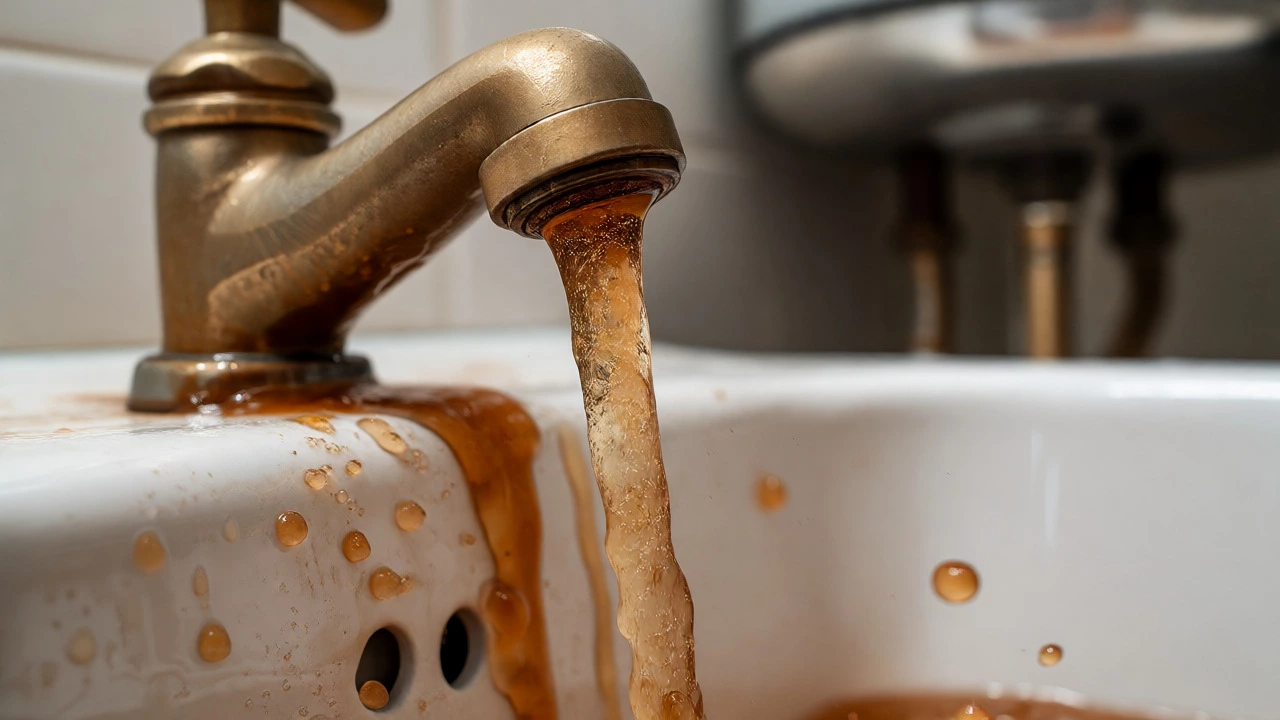
Turn on your hot water tap and look at the color. Clear water is good. Brown, yellow, or orange-tinted water is bad news. This discoloration usually indicates that the anode rod has corroded away. The anode rod is a sacrificial component designed to rust instead of your steel tank. Once it’s gone, the water starts eating the tank from the inside out. If you see rust in your water, don’t wait. That internal corrosion weakens the structural integrity of the tank, making a leak inevitable within months.
Strange Noises: Popping, Rumbling, or Screeching
Your water heater should operate quietly. If you hear popping, rumbling, or cracking sounds, you have sediment buildup. In areas with hard water, minerals like calcium and lime settle at the bottom of the tank. When the burner or heating elements fire up, they heat these layers of sediment, causing steam bubbles to form and pop violently under the water surface. This noise isn’t just irritating; it insulates the water from the heat source, forcing the unit to work harder and less efficiently. Over time, this overheating damages the bottom of the tank and shortens its life significantly.
Leaking Tanks vs. Leaking Valves
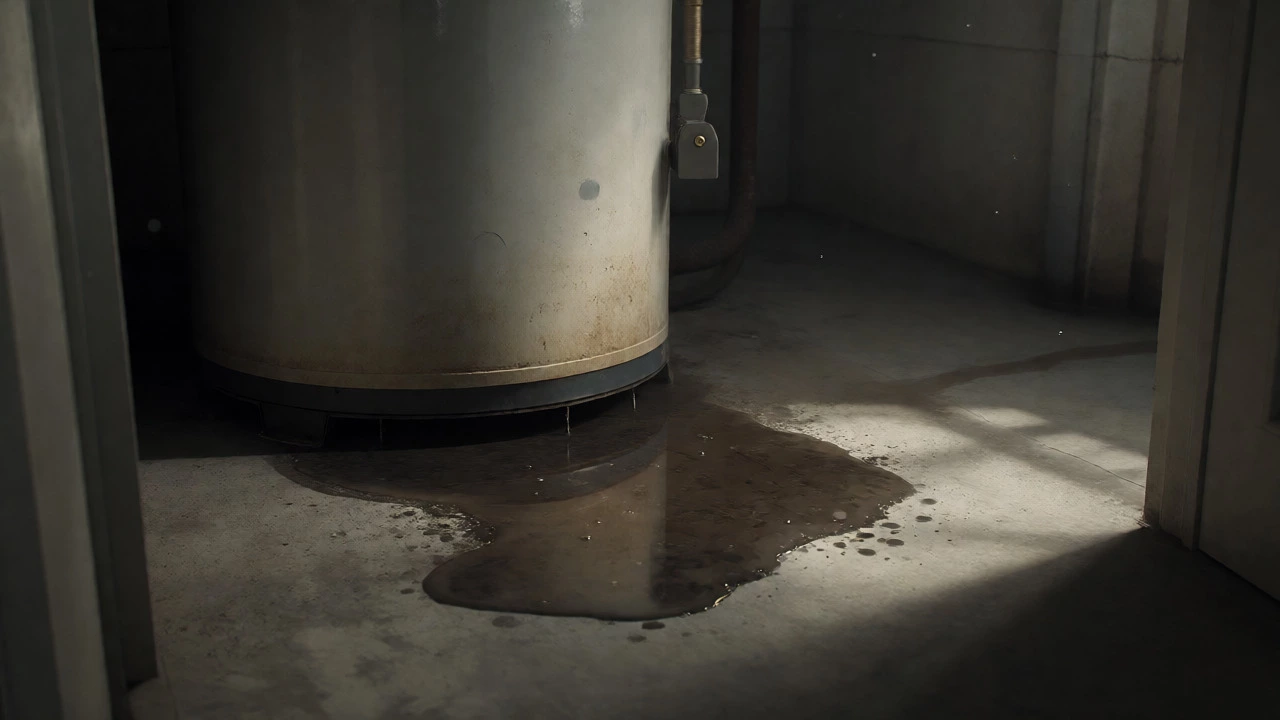
A puddle around the base of your water heater is the most obvious sign of trouble, but context matters. Not all leaks mean you need a new tank. Check where the water is coming from:
- Top connections: Often just loose pipe fittings or faulty valves. Easy fix.
- Pressure relief valve (T&P): If this drips occasionally, it might be normal thermal expansion. Constant dripping suggests a pressure issue or a failing valve.
- Bottom of the tank: If the tank itself is weeping or dripping from the seams or drain valve area after tightening, the tank is likely cracked internally. This is usually game over for the unit.
Remember, a small leak today becomes a flood tomorrow. If the tank body is wet, plan for replacement immediately.
Inconsistent or Insufficient Hot Water
Does your hot water run out faster than it used to? Or does it fluctuate wildly between scalding and cold? These are classic signs of failing components. For electric heaters, one of the two heating elements may have burned out, leaving you with half-capacity performance. For gas heaters, a malfunctioning thermocouple or pilot light issues can cause inconsistent ignition. Additionally, if the dip tube-the pipe that directs incoming cold water to the bottom of the tank-cracks, cold water mixes directly with hot water at the top, causing rapid depletion of usable hot water.
| Symptom | Likely Cause | Severity Level | Action Required |
|---|---|---|---|
| Rusty Water | Corroded Anode Rod / Tank Corrosion | High | Replace Tank Soon |
| Popping/Rumbling Noises | Sediment Buildup | Medium | Flush Tank / Install Softener |
| Water Pooling at Base | Tank Crack / Failed Gasket | Critical | Replace Unit Immediately |
| Short Hot Water Supply | Faulty Element / Dip Tube | Medium | Repair Component or Replace |
| Smell of Rotten Eggs | Bacterial Growth in Sediment | Low/Medium | Sanitize Tank / Replace Anode |
The Smell of Sulfur or Rotten Eggs
If your hot water smells like rotten eggs, you don’t necessarily have a broken heater, but you do have a problem. This odor comes from hydrogen sulfide gas produced by bacteria reacting with magnesium anode rods. While not dangerous, it’s unpleasant. Swapping a magnesium anode rod for an aluminum-zinc version often solves this. However, if the smell persists despite changing the rod, it might indicate significant bacterial growth deep in the sediment layer, which again points to the need for a thorough flush or replacement.
When to Repair vs. Replace
Here is a simple rule of thumb: If your water heater is under 5 years old and the issue is a part (like a valve or element), repair it. If it’s over 10 years old and the tank is leaking or rusting, replace it. Repairs on old tanks are often money pits because fixing one failing component puts stress on other aging parts. Modern high-efficiency water heaters also save energy, potentially offsetting the cost of a new unit through lower utility bills over time.
Preventive Maintenance Tips
You can extend the life of your current unit or ensure your next one lasts longer by doing three things annually:
- Test the T&P Valve: Lift the lever briefly to let some water escape. If it doesn’t snap back or continues to drip, replace it.
- Inspect the Anode Rod: If it’s heavily corroded or coated in calcium, replace it. This single $20 part can add years to your tank.
- Flush the Tank: Drain a few gallons from the bottom to remove sediment. Do this twice a year if you have hard water.
How long does a water heater last?
Most conventional storage-tank water heaters last between 8 and 12 years. Gas units may last slightly longer than electric ones, but regular maintenance, such as flushing sediment and checking the anode rod, is critical to reaching the upper end of that lifespan.
Why is my water heater making popping noises?
Popping or rumbling noises are caused by sediment buildup at the bottom of the tank. Hard water minerals trap heat, creating steam bubbles that collapse with a loud noise. Flushing the tank can resolve this, but if the noise is severe, it may indicate damage to the tank’s bottom.
Can I fix a leaking water heater myself?
If the leak is from a pipe connection or the pressure relief valve, yes, you can likely fix it with basic tools. However, if the water is coming from the tank body itself, it cannot be repaired. The tank must be replaced, as patching a pressurized steel tank is not a viable long-term solution.
What does rusty water mean for my water heater?
Rusty hot water usually indicates that the protective lining inside the tank is failing or that the anode rod has been consumed. This leads to internal corrosion. While you can sometimes replace the anode rod if caught early, persistent rust often signals that the tank is nearing the end of its life and should be replaced soon.
Is it cheaper to repair or replace an old water heater?
For units older than 10 years, replacement is almost always more cost-effective. Repairs on aging systems tend to trigger subsequent failures in other components. Newer models are also more energy-efficient, offering savings on utility bills that help recoup the replacement cost over time.