Water Heater Maintenance Tracker
Maintenance Status
Click on a task card below to mark it as complete. Regular maintenance can extend your water heater's life by years.
Flush the Tank
Remove sediment buildup causing overheating and noise.
Check Anode Rod
Inspect sacrificial metal to prevent tank rusting.
Test TPR Valve
Ensure safety device releases pressure correctly.
Inspect Burner/Elements
Check for blue flames or clean electric elements.
Adjust Temperature
Set to 120°F (49°C) to save energy and prevent scalding.
Insulate Tank/Pipes
Wrap older tanks to reduce heat loss by up to 45%.
Your water heater is likely the most unappreciated appliance in your home until it decides to quit. When that happens, you are left with a cold shower and a bill that makes you wince. Most people assume these units just wear out over time, but the truth is often simpler: they break because they were ignored. A standard tank-style water heater is a large storage vessel that heats water for domestic use, typically lasting between eight and twelve years. However, neglecting basic upkeep can slash that lifespan in half. The good news? Keeping it running smoothly doesn’t require a degree in engineering. It just requires a few hours of work once or twice a year.
The Quick Takeaways
- Flush the tank annually: This removes sediment buildup that causes overheating and noise.
- Check the anode rod every three years: This sacrificial metal prevents your tank from rusting through.
- Test the TPR valve yearly: This safety device prevents explosions if pressure gets too high.
- Inspect the burner or heating elements: Ensure gas flames are blue or electric elements are clean.
- Adjust the temperature: Set it to 120°F (49°C) to save energy and prevent scalding.
Why Sediment Is Your Water Heater’s Worst Enemy
If you have ever heard a popping or rumbling sound coming from your water heater, you know exactly what I am talking about. That noise is not normal. It is the sound of sediment boiling at the bottom of the tank. Over time, minerals like calcium and magnesium settle out of your water and accumulate at the base of the tank. This layer of gunk acts as an insulator. Instead of heat transferring directly from the burner or element to the water, it transfers to the sediment first. The metal underneath gets superheated, leading to premature failure and those annoying popping sounds.
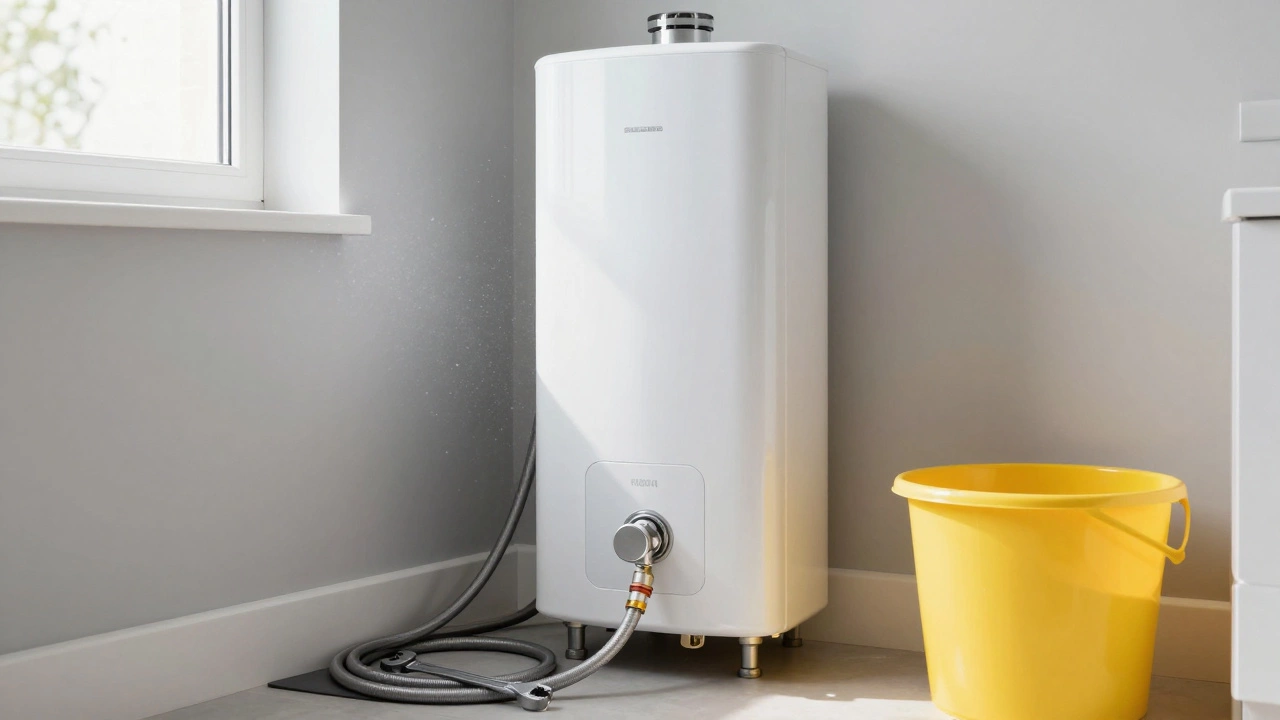
To fix this, you need to flush the tank. Here is how you do it safely:
- Turn off the power source. For electric heaters, switch off the breaker. For gas heaters, turn the dial to 'Pilot' or 'Off'.
- Shut off the cold water supply. Locate the valve on top of the tank and close it.
- Connect a garden hose. Attach one end to the drain valve near the bottom of the tank and run the other end to a floor drain or outside.
- Open a hot water faucet. Go to the nearest sink and turn on the hot water tap. This breaks the vacuum and allows air into the system.
- Open the drain valve. Let the water flow out. If it comes out clear, you are good. If it looks like muddy coffee, keep flushing until it runs clear.
- Close the valve and refill. Close the drain valve, open the cold water supply, and let the tank fill completely before turning the power back on.
Pro tip: If the drain valve is stuck or leaks after opening, do not force it. These valves are fragile. If yours fails during a flush, replace it immediately while you have the tools out.
The Sacrificial Hero: Inspecting the Anode Rod
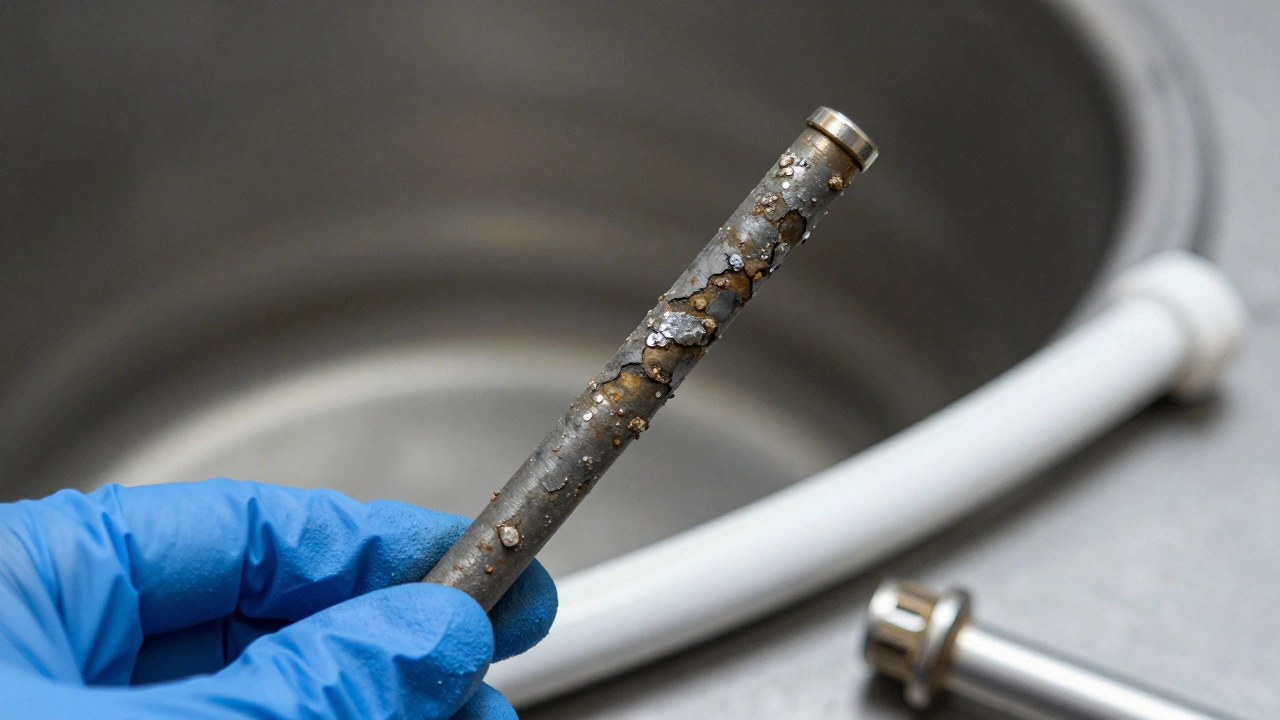
Most homeowners never think about the anode rod until their tank starts leaking. This is a mistake. The anode rod is a long metal stick-usually made of magnesium or aluminum-installed inside the tank. Its sole job is to corrode instead of the steel tank walls. It is called a "sacrificial" anode because it gives its life to save the tank. Once the rod is completely eaten away, the water begins attacking the steel lining, leading to pinhole leaks and eventual catastrophic failure.
| Condition | Appearance | Action Required |
|---|---|---|
| New/Good | Thick, uniform metal core visible | No action needed |
| Fair | Thin wire-like core, some corrosion | Monitor closely; replace within 6 months |
| Poor | Only a thin steel cable remains | Replace immediately |
You should check this rod every three years. To do so, you need to shut off the power and water, drain enough water from the tank to lower the level below the anode port (usually on top), and unscrew the nut holding the rod in place. Pull it out with a strap wrench. If it looks like a skeleton, buy a replacement rod. They cost around $30-$50 and take twenty minutes to install. Replacing an anode rod is the single best investment you can make to extend the life of your water heater.
Safety First: Testing the Temperature and Pressure Relief Valve
The Temperature and Pressure (TPR) valve is a critical safety component. It is designed to open and release hot water if the internal pressure or temperature exceeds safe limits. Without it, your water heater could theoretically explode under extreme conditions. While rare, it is a risk you cannot ignore.
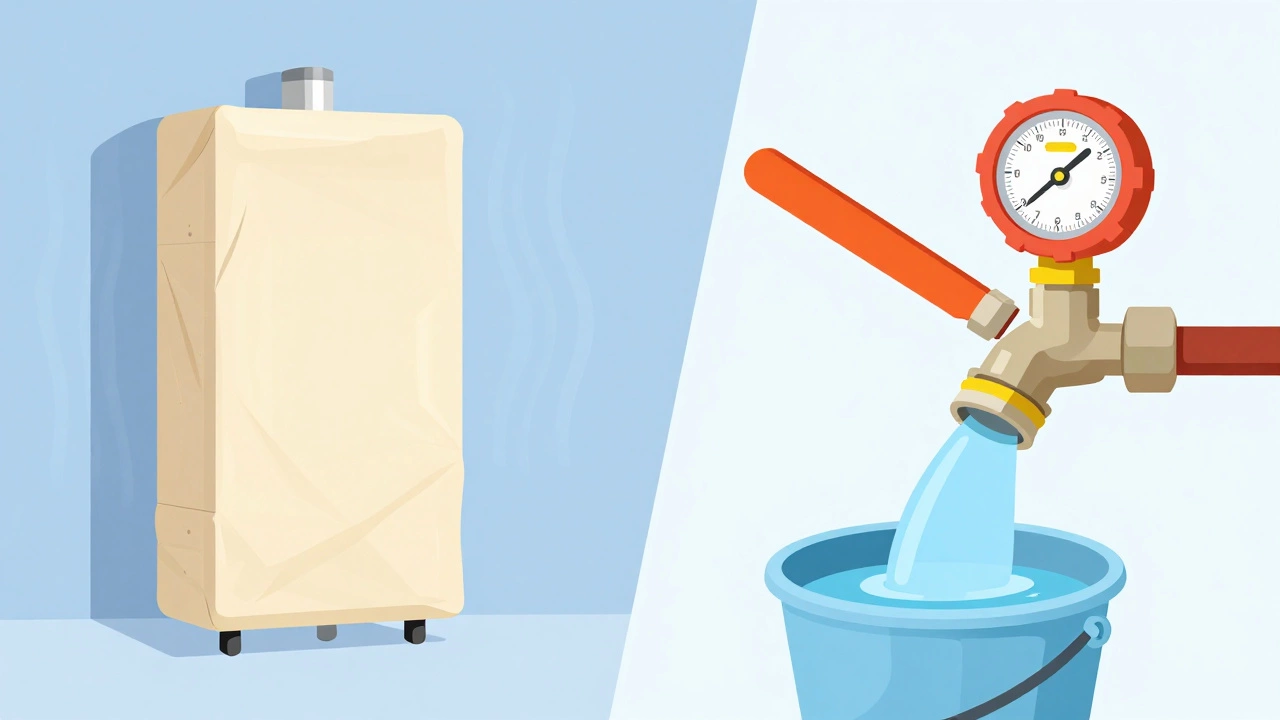
Testing the TPR valve is simple but messy. Place a bucket under the discharge pipe that runs from the valve to the floor. Lift the lever on the valve handle quickly and release it. You should hear a burst of water flowing into the bucket, and then it should stop immediately when you release the lever. If water continues to drip, or if nothing happens when you lift the lever, the valve is faulty. Replace it immediately. Do not try to repair a TPR valve; they are inexpensive and designed to be replaced as a whole unit.
Electric vs. Gas: Specific Maintenance Needs
While flushing and checking the anode rod apply to both types, there are specific tasks for each fuel source.
Gas Water Heaters
For gas units, you need to inspect the burner and the venting system. Look through the sight glass at the bottom of the unit. The flame should be steady and blue. If you see yellow flames, it indicates incomplete combustion, which can produce carbon monoxide. This is dangerous. Also, check the flue pipe going up through the roof. Ensure it is not blocked by bird nests or debris. A blocked flue can cause exhaust gases to back up into your home.
Electric Water Heaters
Electric heaters rely on heating elements submerged in the water. Over time, these elements get coated in scale, reducing efficiency. If you have hard water, consider descaling them every two years. This involves turning off the power, draining the tank, removing the access panels, and using a vinegar solution or commercial descaler on the elements. Be careful not to damage the insulation around the elements when reinstalling the panels.
Optimizing Efficiency and Longevity
Maintenance isn’t just about preventing breakdowns; it is also about saving money. One easy win is adjusting the thermostat. Many manufacturers set the default temperature to 140°F (60°C). This is hotter than necessary for most households and increases the risk of scalding. Lowering the temperature to 120°F (49°C) reduces standby heat loss and cuts energy bills by 3-5%. It also slows down mineral buildup, meaning you don’t have to flush the tank as often.
Another overlooked area is insulation. If your water heater is older than ten years, it likely has poor insulation. Wrapping the tank with an insulation blanket can reduce heat loss by 25-45% in colder climates. Just make sure to avoid covering the control panel, burners, or the top of the tank where heat escapes naturally. Modern tanks come with better insulation, so blankets are less effective on newer models.
Finally, consider the quality of your incoming water. If you live in an area with very hard water, installing a water softener can dramatically reduce sediment buildup. This extends the life of the anode rod and keeps the heating elements cleaner. It is a proactive step that pays for itself over time by reducing maintenance frequency and extending the appliance's lifespan.
When to Call a Professional
While most maintenance tasks are DIY-friendly, some signs indicate a problem beyond simple upkeep. If you notice rust-colored water coming from your taps, it suggests internal tank corrosion. If the tank itself shows signs of leaking, even a small drip, it is usually a sign that the inner liner has failed. In these cases, replacement is the only option. Attempting to patch a leaking tank is temporary and unsafe. Similarly, if you smell gas around a gas water heater, evacuate the house and call a professional immediately. Never ignore the smell of rotten eggs near your water heater.
How often should I flush my water heater?
You should flush your water heater at least once a year. If you have hard water, consider doing it twice a year to prevent excessive sediment buildup.
What does a failing anode rod look like?
A new anode rod has a thick metal core. As it corrodes, it becomes thinner and more irregular. When only a thin steel cable remains, it is fully depleted and needs immediate replacement.
Is it safe to test the TPR valve myself?
Yes, it is safe and recommended. Just ensure you have a bucket ready to catch the hot water and that the power or gas is turned off before testing to prevent accidental re-heating.
Can I wrap my water heater in an insulation blanket?
Yes, if your unit is older than ten years and located in an unconditioned space like a garage or basement. Avoid wrapping modern, well-insulated tanks as it can trap excess heat and void warranties.
Why is my water heater making popping noises?
Popping noises are caused by sediment buildup at the bottom of the tank. Water trapped under the sediment boils and creates steam bubbles that pop when they escape. Flushing the tank will resolve this issue.
How much does it cost to maintain a water heater?
Basic maintenance like flushing is free if you do it yourself. Replacing an anode rod costs $30-$50 for parts. Professional servicing may cost $100-$200 depending on your location and the complexity of the task.