Appliance Service Calculator
Your Appliance Details
Recommended Service Schedule
Select your appliance details above to see your personalized service plan.
Your Service Plan
Recommended Service Frequency:
Potential Savings: Up to $ annually
When your fridge stops cooling or your washing machine starts shaking like a drum solo, you don’t just want a quick fix-you want to know what’s going on inside. Most people think of appliances as simple machines that just work. But the truth is, they’re complex systems that wear down over time. And if you don’t service them, they’ll break harder, cost more to fix, and sometimes even become dangerous.
Refrigerator
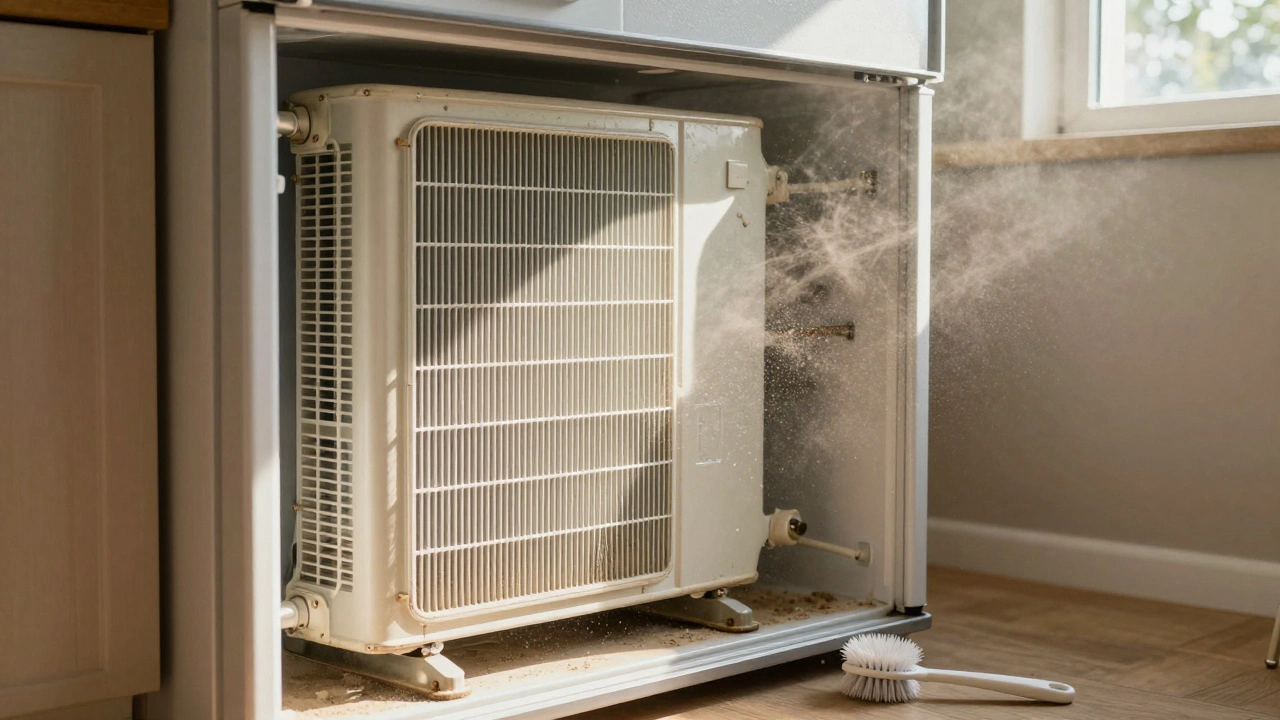
Your fridge runs 24/7, 365 days a year. That’s over 8,700 hours of continuous operation annually. It’s not just keeping your milk cold-it’s managing refrigerant pressure, circulating air, and controlling humidity levels across multiple compartments. When it starts running louder than usual or the back gets hot to the touch, it’s not just being old-it’s working too hard. Dust on the condenser coils is the #1 cause of early failure. In Perth’s heat, that coil can overheat faster than you think. A simple clean every six months can add 3-5 years to its life. If the freezer section frosts up or the fridge section won’t stay below 4°C, it’s not a setting issue. It’s likely a failing evaporator fan or a refrigerant leak. Both need professional attention.
Washing Machine
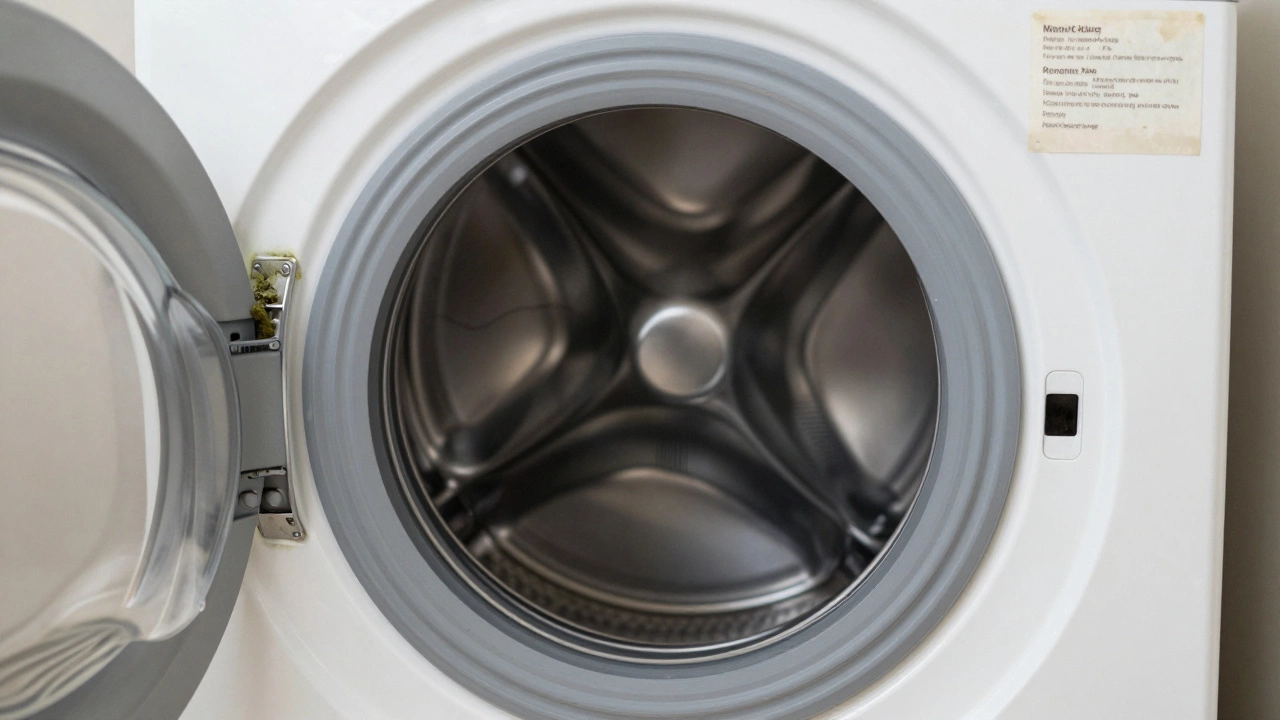
Modern washing machines don’t just spin clothes. They use sensors to detect load size, water temperature, and even fabric type. A typical front-loader uses a drum bearing that lasts about 8-10 years. After that, you’ll hear a grinding noise during the spin cycle. That’s not normal wear-it’s metal-on-metal contact. Left unchecked, it’ll destroy the drum, the tub, and possibly the motor. Many people ignore the smell coming from the drum or the water pooling at the bottom. That’s mold from a clogged drain pump or a worn door seal. Cleaning the filter monthly and wiping the rubber gasket after each use prevents most of these issues. If your machine won’t drain, don’t just unplug it and hope it resets. Check the pump filter first. If it’s clear and still no drainage, the pump itself is likely dead.
Oven
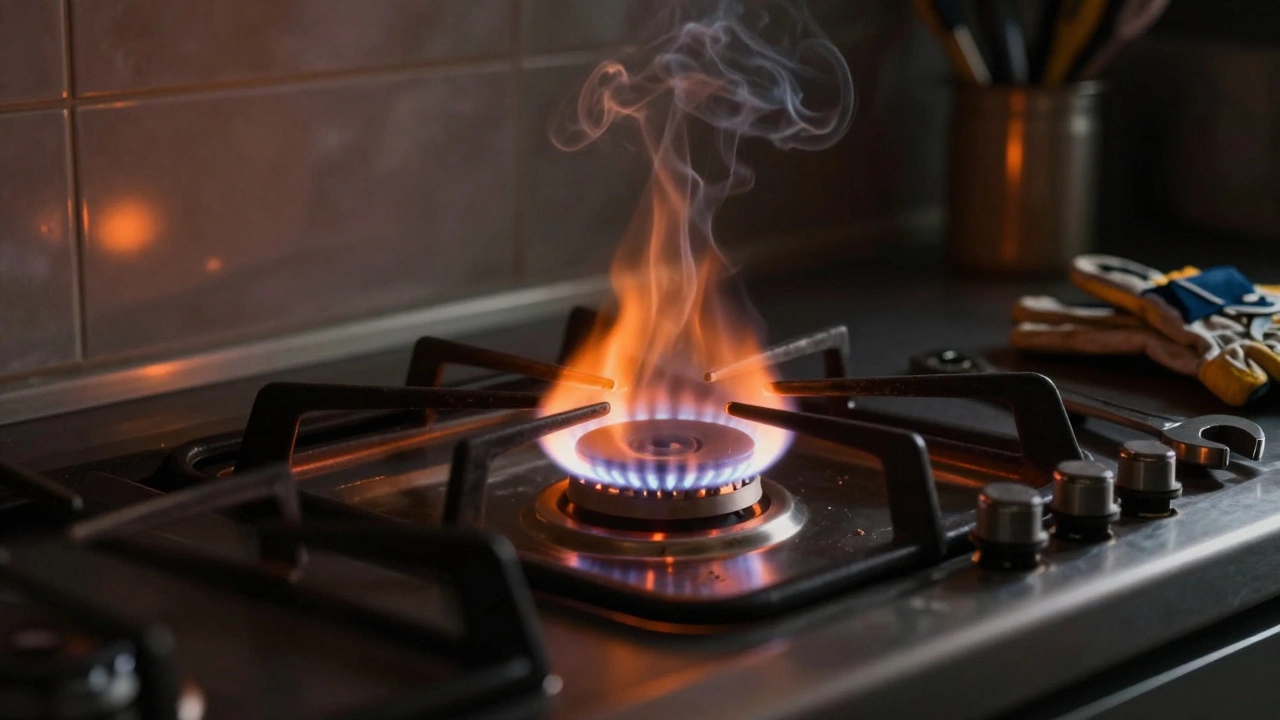
Gas or electric, your oven is one of the most-used appliances in the kitchen. But most people never think about its internal components until the heating element stops working or the temperature feels off. Electric ovens have two heating elements: one on top for broiling, one on the bottom for baking. If the bottom one burns out, your food cooks unevenly. You might think it’s just the thermostat. But in 7 out of 10 cases, it’s the element. Replacing it costs under $100. The real danger comes with gas ovens. A faulty igniter can cause gas to leak without lighting. That’s not just a fire risk-it’s a silent killer. If your oven takes more than 15 seconds to light, or you smell gas even when it’s off, turn off the gas valve and call a technician. Never try to fix a gas oven yourself.
Dishwasher
Dishwashers are designed to handle dirty plates, but they’re not built to handle grease, coffee grounds, or broken glass. Over time, the spray arms get clogged, the filter traps debris, and the drain hose kinks or corrodes. If your dishes come out grimy or the machine smells like a sewer, it’s not your detergent. It’s a blocked drain or a failing pump. Many people assume the dishwasher is broken because the light doesn’t turn on. But often, it’s just the door latch sensor that’s dirty. Wipe it with a damp cloth. If the machine still won’t start, the control board might be fried. That’s expensive. But if you catch the problem early-like a slow drain or a leak under the unit-you can save hundreds. Check the drain hose every three months. Make sure it’s not pinched behind the unit. And never run it with a clogged sink. That’s the #1 reason dishwashers back up.
Why Regular Service Matters
These four appliances-fridge, washing machine, oven, dishwasher-are the backbone of daily life. They’re not just convenient. They’re essential. And they’re all designed with parts that wear out. Manufacturers know this. That’s why they build them to last 8-12 years under ideal conditions. But in real homes, with hard water, high heat, and heavy use, they rarely make it that long without care. A $50 service call every year can prevent a $500 repair. A $100 annual checkup can save you from buying a $1,200 replacement. And in Perth’s climate, where summer temperatures regularly hit 40°C, your fridge and air-cooled appliances are under extra stress. Don’t wait for them to fail. Schedule a service before the heat hits. Clean the filters. Check the hoses. Listen for new noises. These aren’t chores-they’re insurance.
What to Watch For
- Fridge: Condenser coils covered in dust, water pooling under the unit, inconsistent cooling in one compartment.
- Washing Machine: Loud grinding during spin, water leaks from the bottom, mold smell, clothes still dirty after a cycle.
- Oven: Long ignition time (gas), uneven baking, strange smells when heating, visible cracks in the heating element.
- Dishwasher: Dishes not clean, standing water after a cycle, leaking from the door, unusual buzzing noises.
If you notice any of these, don’t ignore them. A small issue today can become a major problem by next month. Most appliance failures happen suddenly. But they’re rarely sudden in origin. They’re the result of months of neglect.
DIY vs Professional Service
You can clean filters, wipe seals, and check hoses yourself. That’s basic maintenance. But anything involving electrical wiring, gas lines, refrigerant, or internal motors? Leave it to the pros. A faulty thermostat on a fridge can be replaced by someone handy. But if you’re not sure what the thermostat looks like, you might accidentally disconnect the compressor. That’s a $700 repair instead of a $150 fix. Gas oven repairs? Never DIY. One wrong move and you’re risking carbon monoxide poisoning. Even something as simple as a dishwasher pump replacement requires knowing where the drain valve is and how to safely disconnect the water line. A plumber or appliance technician has the tools, the training, and the liability insurance. You don’t.
When to Replace Instead of Repair
There’s a point where repair doesn’t make sense. If your appliance is over 10 years old and needs a major component replaced-like the compressor in the fridge, the motor in the washing machine, or the control board in the dishwasher-it’s usually cheaper to replace it. New models are 30-50% more energy efficient. That saves you money on bills every month. Look for the ENERGY STAR label. A new fridge might cost $1,000, but if it uses $80 less per year in electricity than your old one, you break even in under 13 years. And you get better temperature control, quieter operation, and smarter features. Don’t cling to old appliances out of habit. If the repair cost is more than half the price of a new one, walk away.
What are the 4 most common household appliances that need regular service?
The four most common household appliances that need regular service are the refrigerator, washing machine, oven, and dishwasher. These are used daily, have complex internal systems, and are prone to wear from heat, moisture, and debris. Regular cleaning and professional checkups every 12-18 months help extend their lifespan and prevent costly breakdowns.
How often should I service my appliances?
For most households, annual servicing is ideal. Clean fridge coils every six months. Check washing machine hoses and filters quarterly. Have gas ovens inspected yearly by a licensed technician. Run a dishwasher cleaning cycle monthly and inspect the drain hose every three months. If you live in a hard water area like Perth, consider servicing every 6-8 months.
Can I fix my appliance myself?
You can handle basic maintenance like cleaning filters, wiping seals, and checking for blockages. But anything involving electricity, gas, refrigerant, or internal components should be left to professionals. DIY repairs on gas appliances or refrigerators can be dangerous and often void warranties. If you’re unsure, call a technician. It’s cheaper than a fire or a refrigerant leak.
When should I replace an appliance instead of repairing it?
Replace an appliance if the repair cost is more than half the price of a new model, or if the unit is over 10 years old. Newer appliances are significantly more energy-efficient, quieter, and come with better warranties. For example, a new fridge can save you $80 a year in electricity-paying for itself in under 13 years.
Why do appliances break down faster in Perth?
Perth’s hot, dry climate puts extra strain on appliances. High temperatures make fridges and ovens work harder. Dust and wind carry fine particles that clog vents and coils. Hard water leaves mineral buildup in washing machines and dishwashers. These factors accelerate wear. Regular cleaning and professional servicing are even more critical here than in cooler climates.