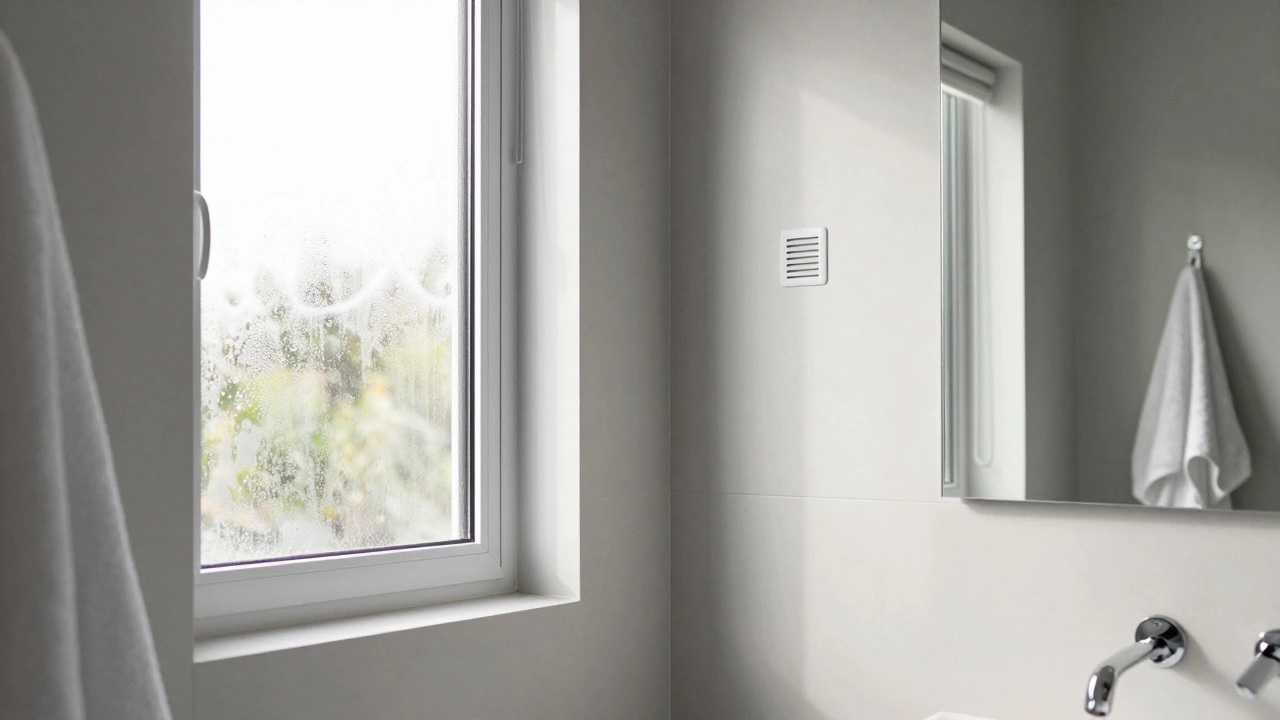
If your extractor fan is broken, noisy, or just too expensive to fix, you’re not alone. Many homeowners in Perth and beyond are asking the same question: what can I use instead of an extractor fan? The truth is, you don’t always need a mechanical fan to keep moisture and odors under control. There are smart, low-cost, and even quieter ways to get the job done-especially if you’re renting, on a budget, or just want to avoid another appliance breakdown.
Why extractor fans fail-and why you might want to skip replacing them
Extractor fans wear out fast. Bearings seize. Dust clogs the motor. Wires fray. In coastal cities like Perth, salt air accelerates corrosion. A typical extractor fan lasts 5-8 years. When it dies, the repair cost often hits $150-$300, including labor. For many, that’s more than half the price of a new unit. And if you’re renting, your landlord might not even approve the fix. That’s where alternatives come in. You don’t need to install another electric device to solve the core problem: removing moist, stale air. The real goal is ventilation. Not noise. Not gadgets. Just clean, dry air.Open windows and doors-still the best free solution
Simple? Yes. Underused? Absolutely. Opening a window for 10-15 minutes after showering or cooking removes up to 80% of excess moisture. In Perth’s dry climate, this works better than you think. Even in winter, a quick burst of fresh air cuts condensation on mirrors and walls. For kitchens, open the window while you’re cooking. For bathrooms, leave the door open after a shower and crack the window. It’s not glamorous, but it’s free, zero-maintenance, and 100% effective if you’re consistent. Pro tip: Install a window vent-those plastic or metal grilles that latch open. They let air flow without letting in bugs or rain. You can buy them for under $20 at any hardware store.Use a dehumidifier for stubborn dampness
If you live in a tightly sealed home or deal with persistent mold in the bathroom, a dehumidifier is your next best bet. Unlike extractor fans, dehumidifiers pull moisture from the air and collect it in a tank. They don’t vent air outside, but they reduce humidity levels fast. A 12-liter capacity dehumidifier can handle a medium-sized bathroom or kitchen. Models like the Trotec TTK 45 E or EcoAir DD122 run quietly and automatically shut off when full. Empty the tank once a day-takes 30 seconds. They’re not a direct replacement for an extractor fan, but they’re perfect for homes where external venting isn’t possible. In Perth’s humid summer months, many families use them as a supplement to open windows.Install a passive ventilation system
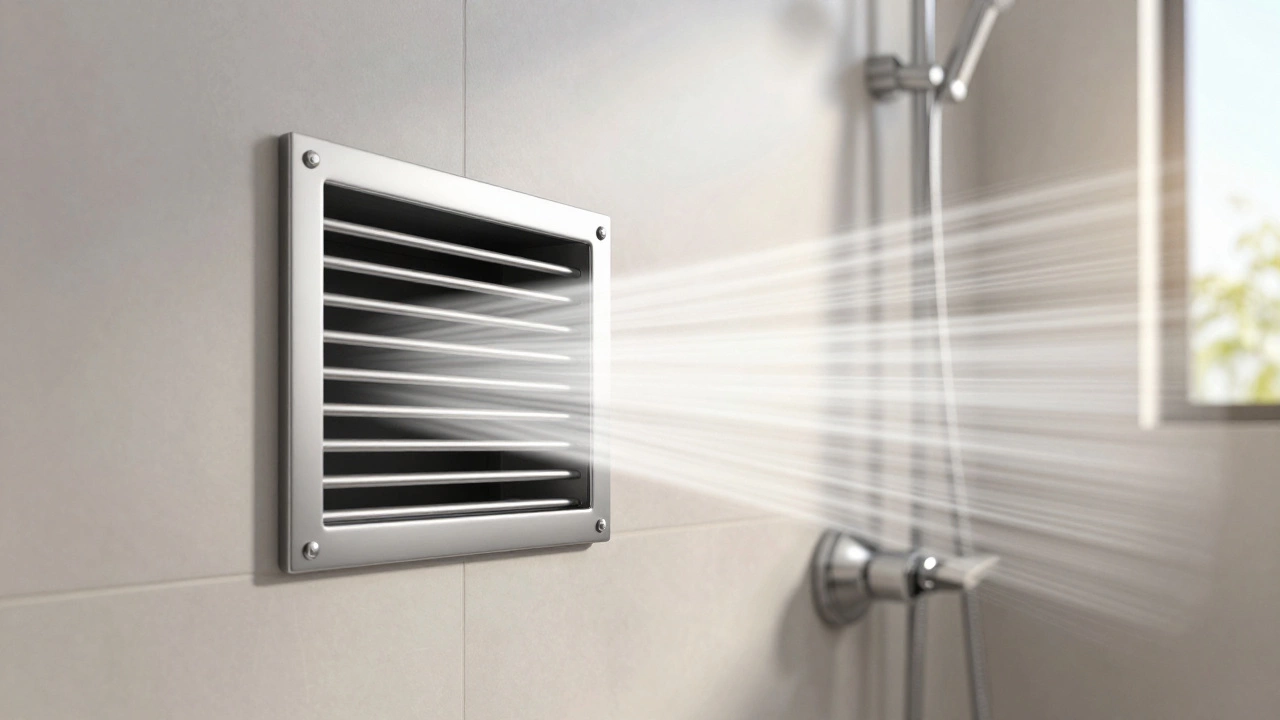
Passive vents don’t need electricity. They rely on natural air pressure and temperature differences to move air. Think of them as the quiet, reliable older sibling of extractor fans. The most common type is a wall-mounted passive vent. These are installed in the wall or ceiling and connect to the outside. They have a flap that opens when air pressure rises (like when you’re showering) and closes when it drops. No motor. No noise. No power bill. They’re ideal for bathrooms and kitchens where you can’t run ducting to the roof. Brands like Vent-Axia and Nuaire make reliable models. Installation is simple: cut a hole, slide it in, seal the edges. Most DIYers can do it in under an hour.Use ceiling-mounted solar-powered vents
If you have a roof cavity and want something that works without wiring, solar-powered attic vents are a clever workaround. These are usually installed on the roof and pull air up and out using sunlight. They’re not meant for direct bathroom or kitchen use-but if you install one in the attic above your bathroom, it can help reduce overall humidity buildup. In Perth’s sunny climate, a Solar Star or Remington Solar vent runs all day, even on cloudy days. It won’t remove steam from your shower instantly, but it prevents moisture from getting trapped in the roof space, which stops mold from growing in the ceiling. It’s a long-term fix for a hidden problem.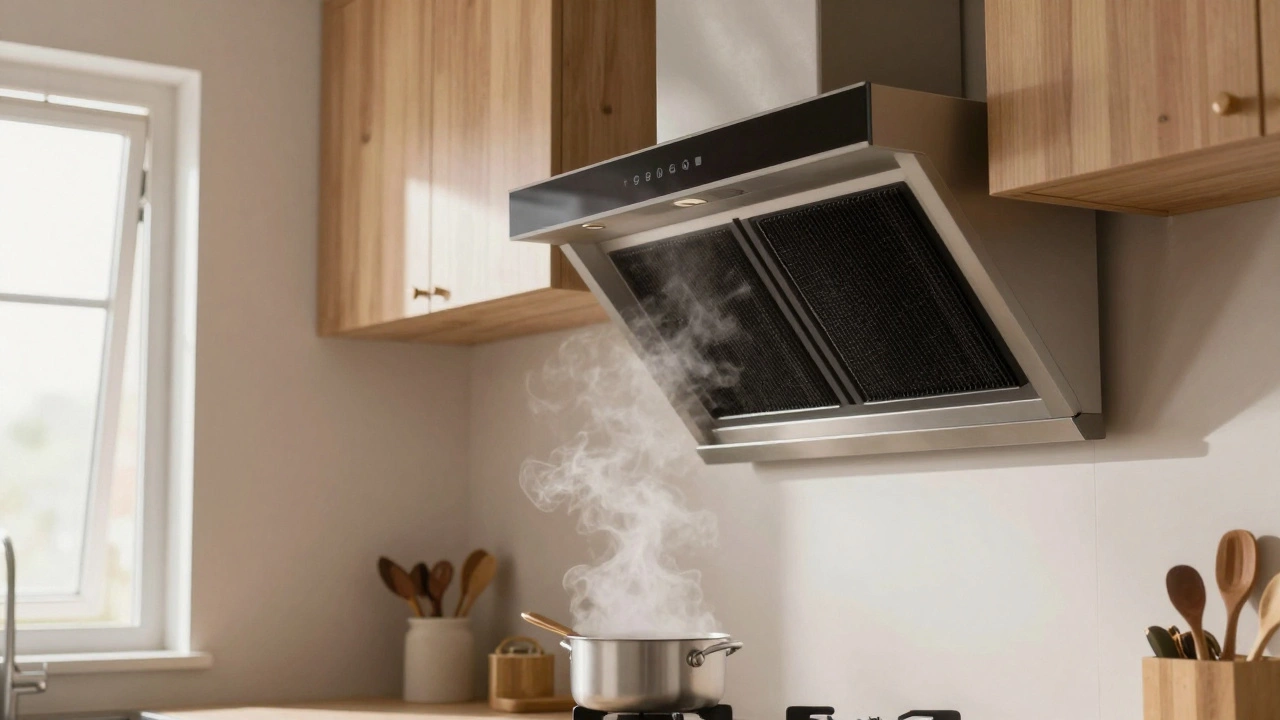
Try a portable air purifier with a humidity sensor
Not all air purifiers are created equal. Most focus on filtering dust and pollen. But newer models-like the Dyson Purifier Humidify+Cool or Levoit Core 400S-include built-in humidity sensors and can detect when moisture levels rise. They don’t vent air outside, but they circulate and filter it, reducing the feeling of stuffiness. In small kitchens or bathrooms, this can make a noticeable difference. Pair one with open windows, and you’re getting 90% of the benefit of an extractor fan without the noise or installation hassle.Use a range hood with recirculating filters (for kitchens only)
If you’re replacing a kitchen extractor fan, you might consider a recirculating range hood. These have charcoal filters that trap grease and odors, then blow the cleaned air back into the room. They’re common in apartments where external ducting isn’t allowed. The downside? Filters need replacing every 3-6 months. But they’re quiet, easy to install, and don’t require external vents. Look for models with washable filters to cut long-term costs. The Bosch DHC95GS5 is a solid choice for small kitchens.What NOT to do
Avoid these common mistakes:- Don’t just turn on the air conditioner to ‘dry’ the air. AC removes some moisture, but it’s inefficient and expensive for this purpose.
- Don’t use scented candles or air fresheners to mask smells. They don’t remove moisture-they just hide it, which makes mold worse.
- Don’t ignore signs of mold. If you see black spots on grout or paint, you need better airflow, not a new air freshener.
Quick decision guide: What’s right for you?
| Scenario | Best Alternative | Cost | Effort |
|---|---|---|---|
| You rent and can’t modify walls | Dehumidifier + open windows | $100-$250 | Low |
| You have a bathroom with an exterior wall | Passive wall vent | $50-$120 | Medium |
| You have a kitchen with no external ducting | Recirculating range hood | $200-$500 | Medium |
| You want zero electricity use | Open windows + window vent | $0-$30 | Low |
| You have mold in the ceiling above the bathroom | Solar attic vent | $300-$600 | High |
Real-life example: A Perth homeowner’s fix
Sarah, a single mom in Fremantle, had a noisy extractor fan in her 1970s bathroom. The landlord refused to replace it. She tried everything: air fresheners, towels on the floor, even leaving the door open. Mold kept coming back. She installed a Passive Wall Vent for $90. Added a window vent for $15. Started opening the window for 10 minutes after every shower. Within two weeks, the condensation disappeared. No more mold. No noise. No electricity bill. She didn’t fix the fan. She fixed the problem.When you still need an extractor fan
Some situations demand a mechanical solution:- Your bathroom has no windows
- You have a steam shower or walk-in spa
- You live in a high-humidity area with poor airflow
- You’re renovating and can install proper ducting
Final tip: Ventilation isn’t about gadgets-it’s about habits
The most effective ventilation system isn’t the one with the most watts. It’s the one you actually use. If you forget to turn on your extractor fan, it’s useless. But if you remember to open the window after a shower? That’s a habit that lasts forever. Start small. Try one alternative for a week. See what works. You might find you don’t need a fan at all.Can I use a ceiling fan instead of an extractor fan?
No. Ceiling fans circulate air within the room-they don’t remove moist air from the house. In fact, they can spread humidity around, making condensation worse. They’re great for cooling, but not for ventilation.
Is it cheaper to run a dehumidifier or an extractor fan?
It depends. A standard extractor fan uses 15-30 watts. A dehumidifier uses 300-700 watts. But you don’t run a dehumidifier all day. If you use it for 2 hours after showering, it costs about 5-10 cents per use. An extractor fan running for 20 minutes costs 1-2 cents. So the fan is cheaper to run-but the dehumidifier works better in sealed spaces.
Do passive vents work in winter?
Yes. Passive vents rely on air pressure differences, not temperature. Even in cold weather, warm, moist air from your shower rises and pushes air out through the vent. In fact, they often work better in winter because the temperature difference between inside and outside is greater.
Can I install a passive vent myself?
Yes. Most passive vents come with templates and instructions. You’ll need a drill, a hole saw (usually 100-150mm), and silicone sealant. If you’re replacing an old fan, you can often use the same hole. Installation takes less than an hour. If you’re unsure, ask a local handyman-they’ll do it for under $80.
Will opening windows let in pests or dust?
In Perth, the risk is low. Most homes have screens on windows. If you’re worried, install a window vent with a fine mesh screen. They’re designed to keep out insects and dust while allowing airflow. You can get them for under $25.