Business Appliance Downtime & ROI Calculator
Downtime Impact
Asset Evaluation
Includes lost revenue + repair cost.
Repair cost relative to new unit price.
Based on economic limit.
Quick Takeaways:
- In business, an appliance is a functional asset used to achieve a specific task (cooling, cleaning, heating).
- The industry splits these into residential (consumer) and commercial (industrial) grades.
- "Appliance service" refers to the entire lifecycle management, from installation to end-of-life recycling.
- Business value is often tied to "uptime"-the percentage of time a machine is actually working.
Breaking Down the Business Definition
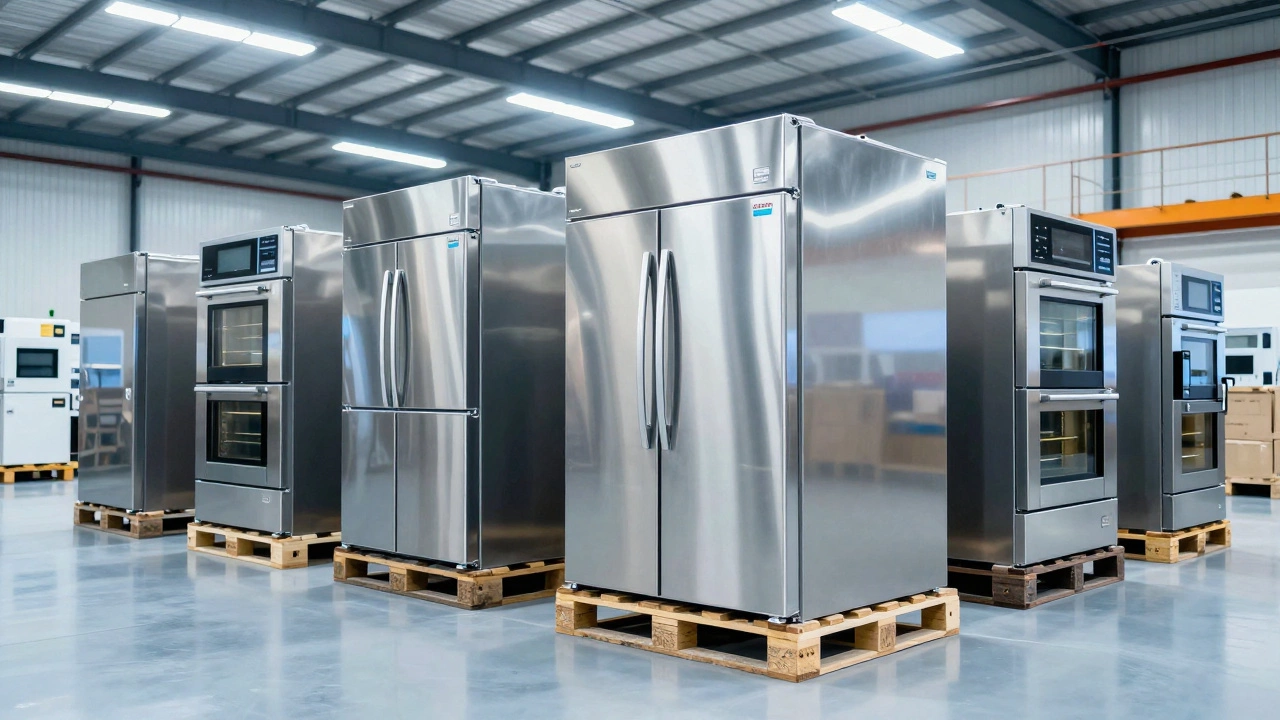
When we talk about an appliance is a piece of electrical or mechanical equipment designed to perform a specific household or commercial task, we are talking about a tool of production. In a home, a dishwasher is a convenience. In a restaurant, that same dishwasher is a critical piece of infrastructure. If it breaks, the business stops moving. This is why business professionals categorize appliances based on their duty cycle-essentially, how many hours a day the machine can run without failing.
You'll often hear the term White Goods used in retail and logistics. This isn't just a fancy name; it refers to the large, traditionally white-enameled appliances like refrigerators and stoves. For a distributor, a "white good" represents a specific shipping challenge because of its bulk and fragility. On the other hand, Brown Goods refers to smaller, entertainment-focused electronics like televisions or radios. Understanding these distinctions helps businesses manage their inventory and shipping insurance more accurately.
Commercial vs. Residential Grade: The Big Divide
If you've ever tried to put a home-grade microwave in a busy coffee shop, you know it'll burn out in six months. That's because there is a massive gap between residential and commercial appliances. In business, this isn't just about size; it's about build quality and compliance.
Commercial appliances are built with reinforced steel and higher-grade components to withstand 24/7 use. They also have to meet strict safety standards. For example, a commercial oven must meet specific ventilation and fire safety codes that a home oven simply doesn't need to worry about. For a business owner, choosing a commercial unit is an investment in longevity and risk mitigation.
| Feature | Residential Grade | Commercial Grade |
|---|---|---|
| Expected Lifespan | 5-10 years | 15-20+ years |
| Warranty Type | Consumer-focused / Limited | Service Level Agreements (SLAs) |
| Materials | Plastic/Thin Metal | Stainless Steel / Cast Iron |
| Regulatory Body | UL / Energy Star | NSF / Health Department |
The Role of Appliance Service in Business Operations
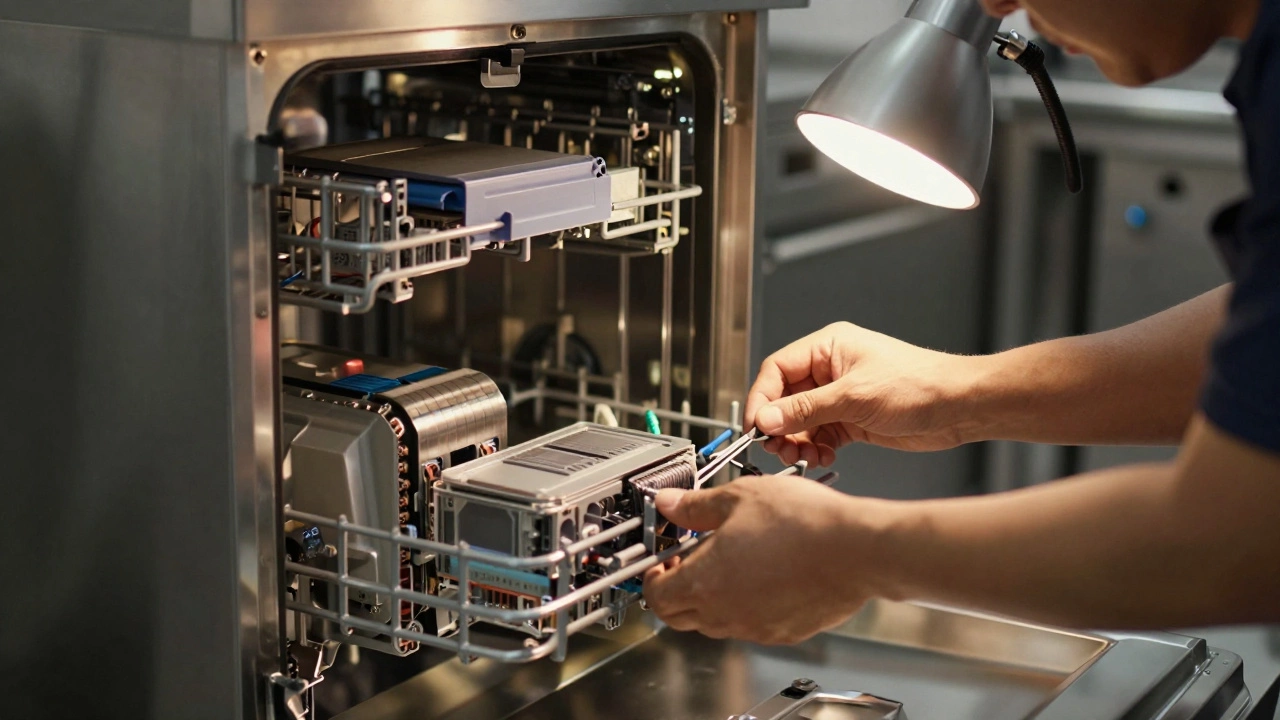
For most companies, the appliance isn't the product-the service is. Appliance Service involves the ongoing maintenance, repair, and optimization of these assets. In a business model, this is often structured as a recurring revenue stream. Instead of a one-time fix, companies offer "Preventative Maintenance Agreements."
Why does this matter? Because of downtime costs. If a hotel's industrial laundry machines go down, they can't rent rooms. The cost of the repair is tiny compared to the lost revenue of ten empty rooms. This is why business-to-business (B2B) appliance services prioritize speed and reliability over the lowest possible price. A technician who can arrive within four hours is worth ten times more than a cheaper one who takes three days.
Common types of service include:
- Corrective Maintenance: Fixing something after it breaks (the "break-fix" model).
- Preventative Maintenance: Replacing parts like gaskets or filters before they fail to prevent outages.
- Predictive Maintenance: Using sensors to tell when a motor is vibrating too much and needs a tune-up before it actually stops.
Economic Impacts: Depreciation and Capital Expenditure
From an accounting perspective, an appliance is a capital asset. When a company buys a fleet of refrigerators, they don't just write it off as one big expense. They use depreciation to spread the cost over the life of the machine. For instance, if a commercial freezer costs $5,000 and is expected to last five years, the business records a $1,000 expense each year.
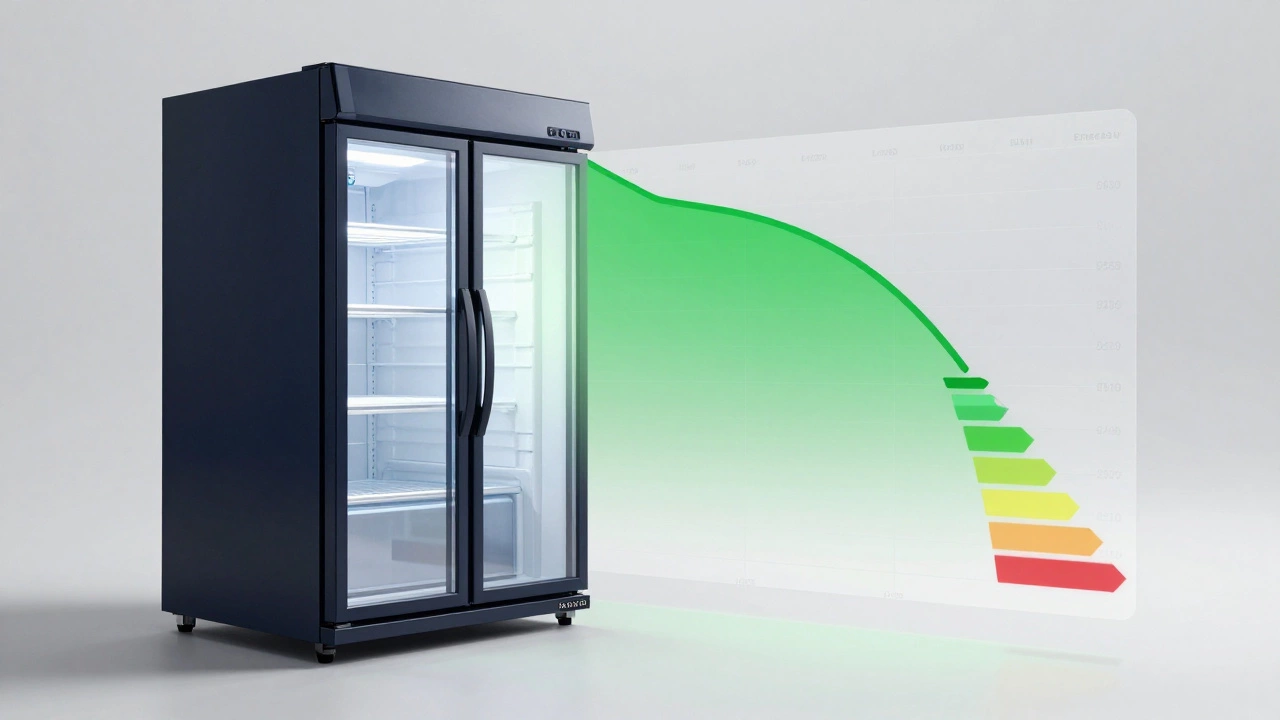
This affects how businesses decide when to repair and when to replace. There is a tipping point called the "economic limit of repair." If a repair costs more than 50% of the value of a new, more energy-efficient machine, the business will typically choose to upgrade. This is why the energy efficiency of an appliance-measured by standards like Energy Star-is a financial metric, not just an environmental one. A machine that uses 20% less electricity can save a large facility thousands of dollars a year in overhead.
The Supply Chain and Aftermarket Ecosystem
The business of appliances doesn't end at the sale. There is a massive "aftermarket" ecosystem involving OEM (Original Equipment Manufacturer) parts and third-party generics. OEM parts are made by the company that built the machine; they are guaranteed to fit but cost more. Generic parts are cheaper but may carry risks regarding fit and longevity.
For a service provider, managing this supply chain is the hardest part of the job. Carrying too much inventory ties up cash; carrying too little means you can't fix the customer's machine, leading to lost trust. Many modern service businesses now use just-in-time (JIT) inventory systems, where they order parts the moment a diagnostic is completed, relying on fast shipping to minimize downtime.
Common Pitfalls in Appliance Business Management
Many new business owners make the mistake of treating commercial appliances like home ones. They buy a "prosumer" model-something that looks professional but lacks the internal components of a true industrial machine. This leads to frequent breakdowns and voided warranties because the manufacturer knows the machine was used beyond its intended capacity.
Another common error is neglecting the installation environment. An appliance is only as good as the power and plumbing supporting it. If a commercial dishwasher is installed without a proper water softener, the lime buildup will destroy the heating element in months. In the business world, "appliance management" must include the infrastructure around the machine, not just the machine itself.
Is an appliance considered a liability or an asset in business?
An appliance is primarily a capital asset because it has a useful life longer than one year and provides value to the business. However, it can become a liability if it is outdated, unsafe, or requires repairs that cost more than its current market value.
What is the difference between a home appliance and a commercial appliance?
The primary difference is the duty cycle and build quality. Commercial appliances are designed for constant use, use higher-grade materials like stainless steel, and must comply with industrial safety and health regulations (like NSF standards), whereas residential models are built for intermittent use.
What does "uptime" mean in the context of appliance service?
Uptime is the percentage of time a machine is fully operational and available for use. In B2B services, high uptime is the goal because any "down time" (when the machine is broken) directly results in lost productivity or revenue.
Why do businesses use Service Level Agreements (SLAs) for appliances?
SLAs guarantee a specific level of service, such as a maximum response time (e.g., "technician on site within 4 hours"). This allows businesses to predict their risk and ensure that critical failures don't shut down their entire operation for days.
What are "White Goods" and "Brown Goods"?
White Goods are large household appliances, typically for refrigeration, cooking, or cleaning (fridges, washers, ovens). Brown Goods are smaller, electronic appliances, usually for entertainment or communication (TVs, laptops, radios).
Next Steps for Business Owners
If you are managing appliances in a professional setting, start by creating an asset register. List every machine, its purchase date, warranty expiration, and the last time it was serviced. This stops you from reacting to emergencies and lets you move toward a preventative strategy.
Next, audit your energy bills. If you notice a spike in power usage, one of your older appliances might be failing or working twice as hard to maintain temperature. Replacing a failing unit before it completely dies is always cheaper than an emergency replacement during your busiest season. Finally, vet your service providers not by their hourly rate, but by their guaranteed response time and their access to OEM parts.