Washing Machine Lifespan & Cost Estimator
Select options and click Calculate to see estimates.
--
Estimated Years of Life
$--
--
You just dropped $1,200 on a shiny new front-loader. It looks great in the laundry room, but you can't help wondering: how long will this beast actually last? Is it five years? Ten? Will it outlive your current phone contract by a decade?
Here is the blunt truth most salespeople won't tell you: the industry standard for a modern washing machine is roughly 10 to 12 years. That’s the average. But averages are misleading because they blend the cheap plastic units that die in three years with the heavy-duty commercial-grade tanks that run for twenty. If you want the longest possible lifespan, you need to understand what separates the survivors from the casualties.
The Real Numbers: What Data Says About Appliance Longevity
Let's look at the hard data. The National Association of Home Builders (NAHB) and various consumer reports consistently place the median lifespan of residential washers between 10 and 13 years. However, there is a massive variance depending on the type of machine and the brand tier.
In Perth, where we deal with hard water and high humidity, these numbers can shift slightly. Hard water accelerates scale buildup in heating elements and pumps, potentially shaving a year or two off the expected life if not managed. But generally, here is what you can expect from different categories:
- Budget Top-Loaders: Often use more plastic components and simpler gearboxes. Expect 7-9 years. They are easy to fix, but parts might be scarce after a decade.
- Mid-Range Front-Loaders: These are the workhorses of most Australian homes. With proper care, they hit the 10-12 year mark reliably.
- Premium Integrated Units: Brands like Miele or Asko often engineer their machines for 20+ years. They use cast iron counterweights instead of concrete blocks and metal gears instead of plastic ones. You pay double upfront, but the cost per year of use is often lower.
- Commercial Grade: Found in laundromats or large families. These are built to cycle 50 times a day. Their lifespan is measured in cycles, not years, often exceeding 15,000 cycles before major failure.
| Machine Type | Average Lifespan (Years) | Key Durability Factor | Common Failure Point |
|---|---|---|---|
| Budget Top-Loader | 7-9 | Simplicity | Lid switch, Motor coupling |
| Standard Front-Loader | 10-12 | Balance & Seals | Door seal mold, Pump blockage |
| Premium European | 15-20+ | Metal Components | Electronics (rarely mechanical) |
| Compact Portable | 5-8 | Portability | Hose leaks, Small drum wear |
Why Modern Machines Don't Last as Long as Your Grandma's
It feels unfair, doesn't it? Your parents had a white box that ran for 25 years without complaint. Why do yours break down when they barely reach adulthood? The answer isn't necessarily "planned obsolescence," though that plays a role. It’s mostly about complexity and materials.
Older machines were mechanical. A timer knob was a physical clock. A motor was a simple induction unit. Today’s electronic control boards manage everything from water temperature to spin speed optimization. While this saves energy and water, it introduces fragile electronics into a wet, vibrating environment. Moisture gets into connectors. Vibrations loosen solder joints. When the board fails, the repair often costs 40% of a new machine's price, making replacement the logical choice.
Furthermore, manufacturers have shifted from cast iron tubs to stainless steel or even reinforced plastics. Stainless steel is lighter and rust-resistant, but it transmits vibration differently. Plastic bearings are cheaper to produce but degrade faster under constant heat and moisture compared to the sealed ball bearings of yesteryear.
The Three Killers of Washing Machine Lifespan
If you want to push your machine past the 12-year mark, you need to avoid the three things that kill them fastest. It’s rarely the motor that dies first. It’s usually one of these:
1. The Door Seal and Mold
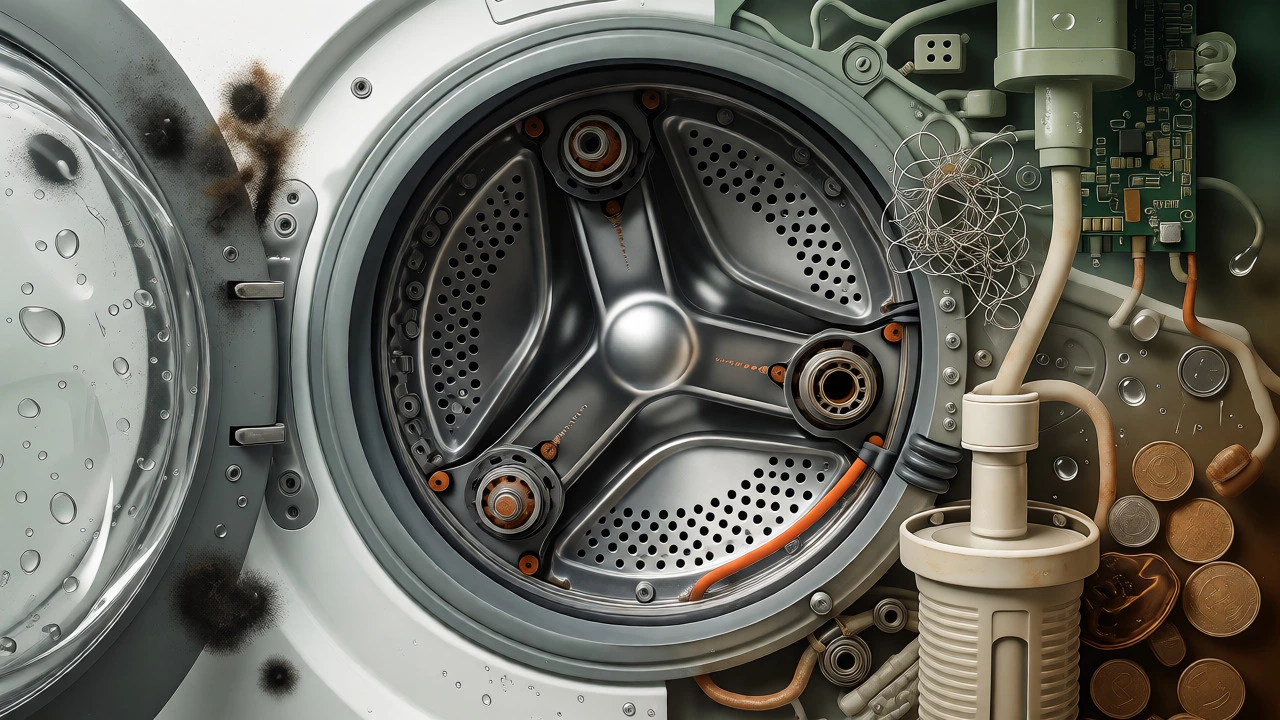
This is specific to front-loaders. The rubber gasket around the door traps water and detergent residue. In a dark, damp laundry room, this becomes a petri dish for black mold. Beyond being gross, the mold eats away at the rubber, causing leaks. Once the seal degrades, water drips onto the internal bearings or the electronic board below. Keeping the door ajar after every wash is the single cheapest way to extend your machine's life.
2. Overloading and Imbalance
We all try to cram one more towel in to save an extra load. Big mistake. Modern sensors detect imbalance and slow down the spin, but the stress on the shock absorbers and suspension springs remains. Over time, these components fatigue. If your machine walks across the floor during the spin cycle, you are literally shaking itself apart. This vibration loosens internal wiring and cracks plastic housings.
3. Ignoring the Filter and Pump
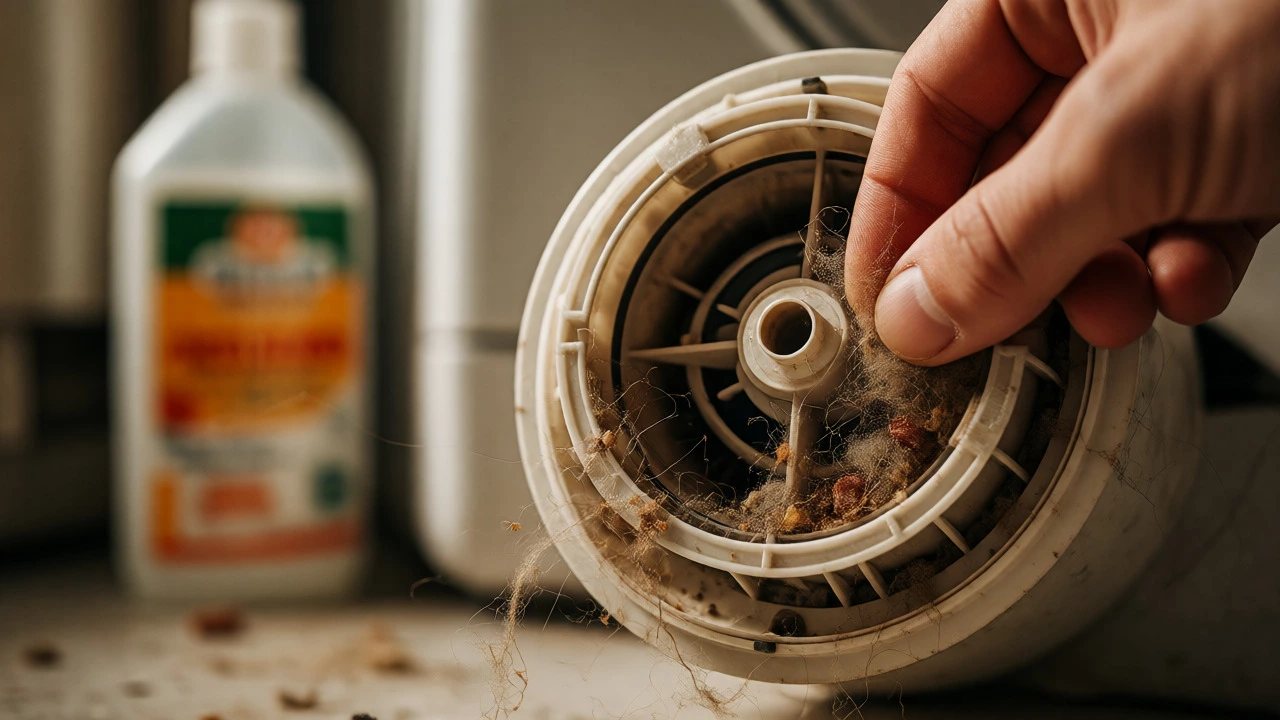
Coins, buttons, and hair clips end up in the pump filter. If you don’t clean it regularly, the pump impeller jams. A jammed pump burns out the motor winding. Replacing a pump is affordable ($150-$250). Replacing a burnt-out motor on a sealed unit can cost upwards of $600. Clean the filter monthly. It takes two minutes.
Brand Reputation: Which Names Actually Last?
Not all brands are created equal. While marketing budgets are huge, engineering priorities differ. Based on repair data from service technicians in Australia and globally, here is a rough hierarchy of durability:
- Miele: Often cited as the gold standard. They test their machines for 20 years of use. Their parts are expensive, but they rarely fail mechanically. If you buy a Miele, you are buying peace of mind for two decades.
- Asko: Similar to Miele, focusing on simplicity and robustness. Fewer bells and whistles mean fewer things to break.
- Samsung/LG: Dominant market share. They offer great features and direct-drive motors (fewer belts to replace). However, their electronics are sensitive. Repairs can be tricky if the specific model is discontinued quickly.
- Bosch/Siemens: Solid mid-range performers. Very reliable until the control board gives out, which typically happens around the 10-year mark.
- Whirlpool/Electrolux: Good value. Parts are widely available in Australia, which makes them easier to keep running longer than obscure imported brands.
How to Extend Your Machine’s Life by 5 Years
You don’t need to be an engineer to make your washer last. You just need to change a few habits. Here is a practical checklist to maximize longevity:
- Leave the Door Open: Always crack the door and the detergent drawer open after finishing a cycle. This allows air circulation, drying out the seals and preventing mold growth.
- Use Less Detergent: Most people use double the recommended amount. Excess suds leave residue inside the drum and on the sensors. This residue attracts dirt and causes corrosion. Use High-Efficiency (HE) detergent only, and measure it carefully.
- Run a Maintenance Wash: Once a month, run an empty hot cycle with a washing machine cleaner or white vinegar. This dissolves hidden grime and descales the heater element, especially important in hard water areas like Perth.
- Level It Properly: Check the feet occasionally. If the machine wobbles, tighten the lock nuts. A level machine vibrates less, saving wear on internal components.
- Clean the Hoses: Inspect inlet hoses annually. Look for bulges or cracks. Replace rubber hoses every 5 years regardless of appearance, or switch to braided stainless steel hoses which are far more durable against bursting.
When to Repair vs. Replace
So, your machine breaks. How do you decide? Use the "50% Rule." If the repair cost exceeds 50% of the price of a comparable new machine, replace it. Also, consider age. If your machine is over 10 years old and needs a major component like a motor or transmission, it’s usually better to buy new. Newer models are significantly more water and energy efficient, offsetting the purchase cost over time.
However, if it’s a minor issue-like a clogged pump or a faulty lid switch-at age 8, repair it. Those fixes are cheap and can easily give you another 3-4 years of service.
Frequently Asked Questions
Do top-loaders really last longer than front-loaders?
Generally, yes. Traditional top-loaders with agitators have simpler mechanics and no rubber door seals to rot. They lack the complex balancing systems of front-loaders. However, high-efficiency top-loaders (with impellers) are closer in complexity to front-loaders and may not offer the same extreme longevity.
Is hard water bad for my washing machine?
Yes, significantly. Limescale builds up on heating elements and pipes, reducing efficiency and eventually causing overheating or blockages. In hard water areas, regular descaling cycles are essential to maintain lifespan.
Which washing machine brand has the lowest repair rate?
Consumer Reports and similar studies often rank Miele and Speed Queen highly for reliability due to their conservative engineering and durable materials. LG also scores well for motor reliability, though its electronics can be finicky.
Can I make my old washing machine last longer?
You can extend its life by cleaning filters, avoiding overloads, and using correct detergent amounts. However, once critical components like the drum bearings or main control board fail in a machine older than 10 years, replacement is usually more economical than repeated repairs.
Does spinning speed affect lifespan?
Higher spin speeds (1400rpm+) extract more water, reducing dryer time, but they put more stress on the suspension and bearings. Using lower spin speeds for delicate loads and reserving max speed for heavy cottons can reduce mechanical wear over time.