Gas Appliance Troubleshooting Wizard
Follow these steps to identify the cause of your gas outage. Answer each question honestly to get a tailored recommendation.
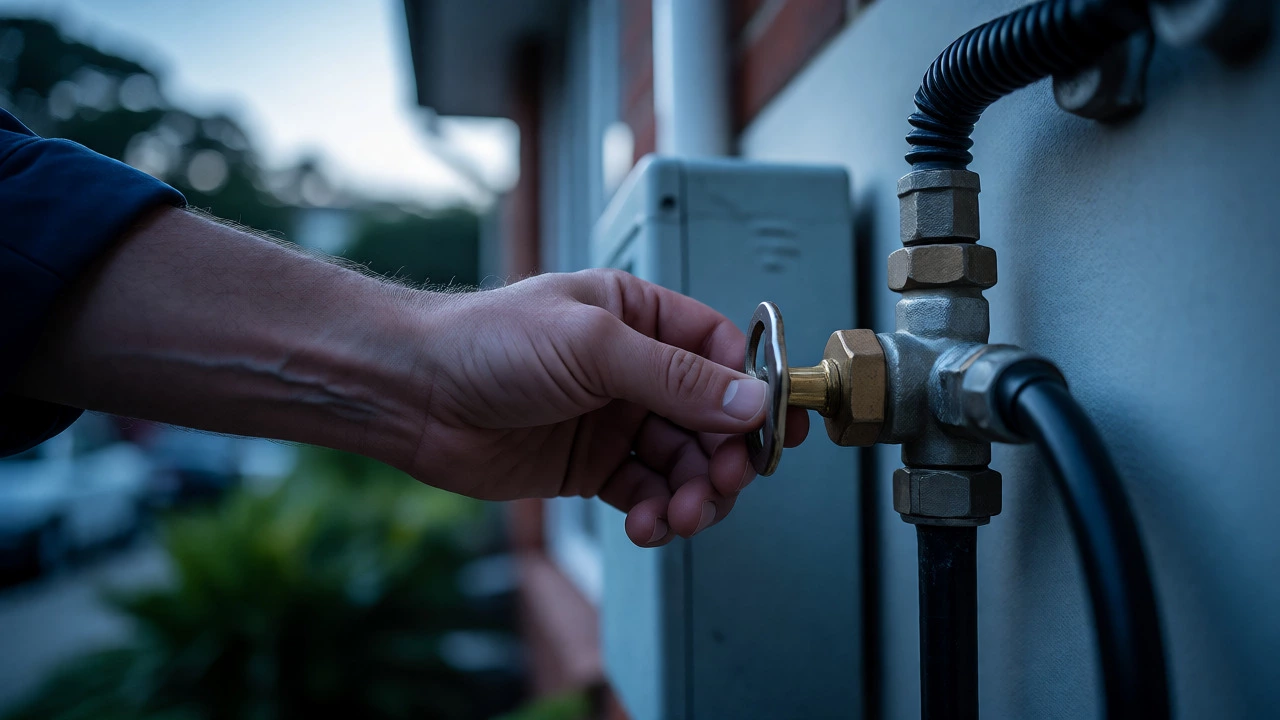
Locate the main gas shut-off valve (usually near the meter). Is the handle parallel or perpendicular to the pipe?
Check your gas meter box. Do you see a padlock on it, or did you receive a recent notification from your provider about maintenance?
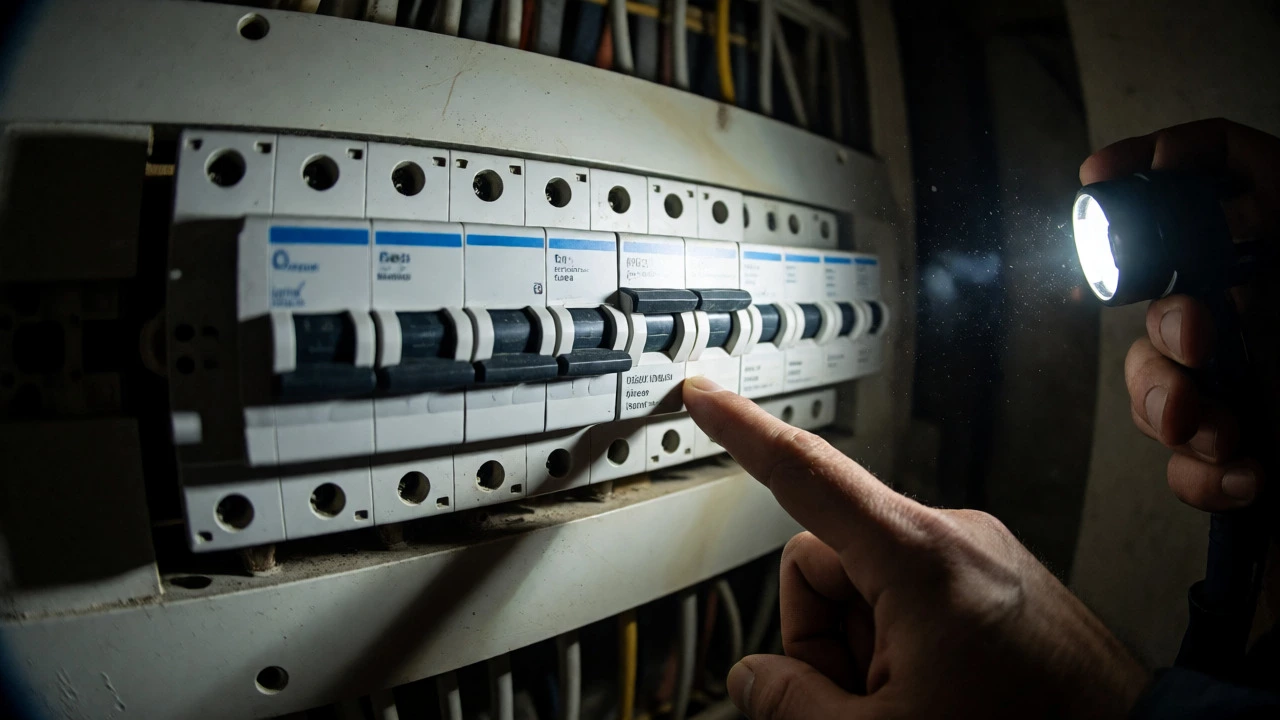
Go to your switchboard. Are any circuit breakers for kitchen/laundry/heating in the "OFF" position? Also, do your electronic ignitions click but produce no flame?
Ask a neighbor if their gas appliances are working. If possible, check your local distributor's website/social media for outages.
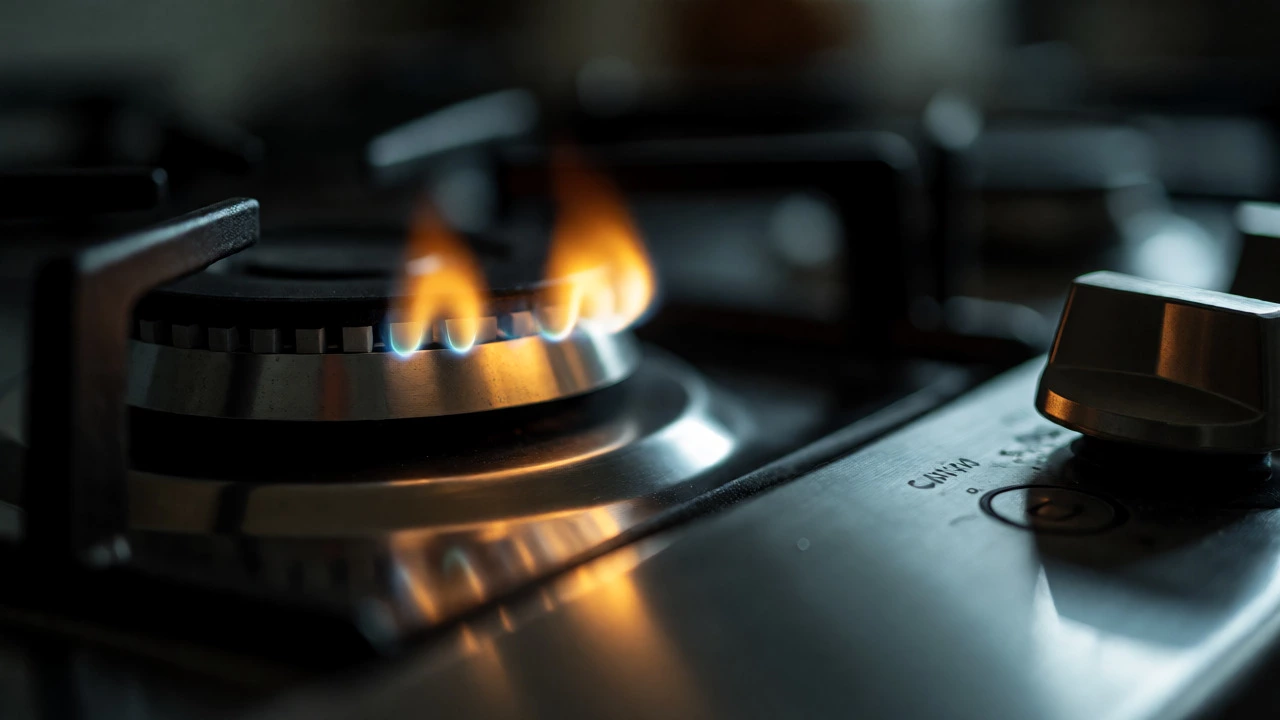
If you managed to light a pilot or burner, what does the flame look like? Or, if nothing lights at all despite power/gas being on, select "No Flame".
Diagnosis Result
You walk into the kitchen, turn on the gas hob, and nothing happens. No click, no flame, just silence. You try the oven. Same story. Then you remember the water heater hasn't kicked in all morning either. When every single gas device in your house stops at once, it’s rarely a coincidence. It’s almost always a supply-side issue rather than a mechanical failure of each individual unit.
This situation is stressful because you rely on these systems for cooking, heating, and hot water. But before you panic or call an expensive technician, there are several checks you can do yourself. Most of the time, the problem isn’t that your appliances have broken; it’s that the fuel line to them has been interrupted. Here is how to diagnose why none of your gas appliances are working, specifically tailored for homes in regions like Perth where natural gas is common.
The Emergency Shut-Off Valve: The Usual Suspect
The most common reason for a total loss of gas is the emergency shut-off valve. This is a safety feature designed to cut off gas flow instantly if a leak is detected or if manually triggered. If this valve is closed, no gas reaches any appliance downstream.
Locate this valve. It is usually found near your gas meter outside the house, or sometimes inside near the main entry point. Look for a lever handle. In Australia, standard practice dictates that when the handle is parallel to the pipe, the gas is ON. When it is perpendicular (across) the pipe, the gas is OFF.
- Check the position: Is the handle sideways? If so, gently turn it until it aligns with the pipe.
- Look for damage: Has the valve been knocked by a lawnmower, a delivery person, or during recent landscaping work?
- Test after resetting: Once aligned, wait a minute, then try lighting a pilot light or turning on a burner. Note that modern electronic ignitions might need a reset button pressed after power restoration.
If the valve was closed and opening it fixed the issue, you’re done. If it was already open, move to the next step.
Is Your Gas Meter Faulty or Locked?
Your gas meter is the gateway between the street supply and your home. Modern smart meters often have internal valves that can trip due to pressure fluctuations or maintenance activities by the utility provider.
In many Australian suburbs, gas distributors perform routine network maintenance. Occasionally, they may remotely close the valve at the meter or physically lock it if they suspect a safety hazard. Check your meter box. Is there a padlock on it? Did you receive a notification from your gas retailer about planned works?
Some newer meters have a digital display. If it shows an error code or remains blank despite having electricity, the meter itself might be faulty. However, a blank screen doesn’t always mean no gas; some older models don’t require power to operate. If you suspect a meter issue, you must contact your gas distributor. They own the meter and the pipes up to the first isolating valve inside your property boundary.
Electrical Issues Affecting Ignition Systems
Here is a tricky one: your gas appliances need electricity to work. Even though they burn gas, the ignition system-whether it’s a spark generator or a standing pilot solenoid-requires power. If your home lost power briefly, or if a specific circuit breaker tripped, the appliances won’t ignite even if gas is flowing.
| Appliance Type | Power Requirement | Common Trip Cause |
|---|---|---|
| Gas Cooktop/Hob | Mains or Battery | Blown fuse in wall socket or dead battery in igniter. |
| Gas Oven | Mains | Circuit breaker tripped due to overload or fault. |
| Instantaneous Water Heater | Mains | RCD/Trip switch activated due to moisture ingress. |
| Central Heating Boiler | Mains | Thermostat wiring fault or power surge protection activation. |
Go to your switchboard. Look for any switches in the "OFF" position. Reset them carefully. If a switch trips immediately upon being turned back on, you have an electrical fault in the appliance or its wiring, not necessarily a gas problem. Do not keep forcing it. Call a licensed electrician or an appliance technician who can test both gas and electrical components.
Outage at the Source: Utility Provider Issues
Sometimes, the problem isn’t in your house at all. It’s on the street. Gas outages happen more often than people realize. They can result from construction work severing a main, a burst pipe nearby, or scheduled maintenance.
How do you know if it’s a local outage? Ask your neighbors. If their gas stoves are also dead, you have confirmation. You can also check the website or social media channels of your local gas distributor (such as Western Power or AGIG in WA). These platforms usually post real-time updates on service interruptions.
Be aware that restoring gas service isn’t instantaneous. After a major outage, technicians may need to inspect connections before repressurizing the lines. This process can take hours, especially if multiple properties are affected.
The Pressure Regulator: The Silent Killer
If the shut-off valve is open, the meter is fine, and you have power, but the flames are tiny or non-existent, look at the pressure regulator. This small device reduces high-pressure gas from the mains to the low pressure needed by your appliances.
Regulators wear out over time. They can become clogged with debris or fail internally. Symptoms include:
- Weak blue flames instead of strong ones.
- Yellow or orange flames (indicating incomplete combustion).
- Appliances failing to stay lit after releasing the knob.
A failed regulator affects all connected appliances simultaneously. While you can visually inspect it for corrosion or physical damage, testing its output requires a manometer. This is a job for a licensed gas fitter. Don’t attempt to adjust the screw on a regulator yourself unless you are trained; incorrect pressure settings can lead to dangerous carbon monoxide buildup or explosive flare-ups.
When to Call a Professional
You’ve checked the valve, the meter, the electrics, and asked the neighbors. Still nothing? It’s time to call a professional. But who should you call?
First, determine ownership boundaries. Generally, the gas distributor owns everything up to the meter. The homeowner owns everything from the meter inward. If the issue is upstream (street side), contact your utility provider. If it’s downstream (house side), hire a licensed gas fitter.
In Perth, ensure the technician holds a current license issued by the Building and Energy division of the Department of Mines, Industry Regulation and Safety. Unlicensed workers cannot legally perform gas fitting tasks, and insurance claims may be voided if unlicensed work causes damage.
Expect the technician to perform a pressure test on your entire internal gas line. This involves sealing off outlets and pressurizing the pipes with air to check for leaks. They will also verify the operation of safety devices like thermocouples in ovens and hobs.
Preventing Future Total Shutdowns
Once your heat and hot water return, think about prevention. Why did the shut-off valve get closed? Was it accidental? Consider installing a protective cage around the external valve to prevent lawn equipment from knocking it. If the regulator failed, ask the technician to replace it with a high-quality model rated for Australian conditions.
Regular servicing helps too. Annual inspections of gas appliances can catch early signs of regulator wear or ignition faults before they cause a complete blackout. Keep a record of these services. It adds value to your home and provides peace of mind.
Remember, gas is efficient and reliable, but it demands respect. Never ignore the smell of rotten eggs-that’s the odorant added to detect leaks. If you smell gas, leave the house immediately and call your emergency gas line. Don’t flip light switches or use phones indoors. Ventilate and evacuate first.
Can I reset my gas meter myself?
Generally, no. The gas meter is owned by the utility provider. Tampering with it can result in fines. If you suspect a meter issue, contact your gas distributor. They can remotely reset it or send a technician.
Why did my gas stop after a power outage?
Many modern gas appliances have safety locks that engage during power failures. Once power returns, you may need to manually reset the appliance or press a 'reset' button. Additionally, check your switchboard to ensure the circuit breaker didn't trip permanently.
How much does it cost to fix a gas supply issue?
Costs vary. A simple valve reset is free. Replacing a pressure regulator typically costs between $150 and $300 AUD, including labor. Major repairs involving internal piping can range from $400 to $800+. Always get a quote before work begins.
Is it safe to leave gas appliances off for days?
Yes, it is safe. In fact, if you are unsure of the cause, leaving them off is safer. Ensure the emergency shut-off valve is closed if you plan to be away for an extended period to prevent potential leaks.
What does a yellow flame mean on my gas stove?
A healthy gas flame should be crisp blue. A yellow or orange flame indicates incomplete combustion, often caused by dirty burners, poor ventilation, or incorrect gas pressure. This produces carbon monoxide, so clean the burners and consult a technician if the color persists.