Hot Water Failure Diagnostic Tool
Work through the steps below. Your diagnosis updates live as you answer.
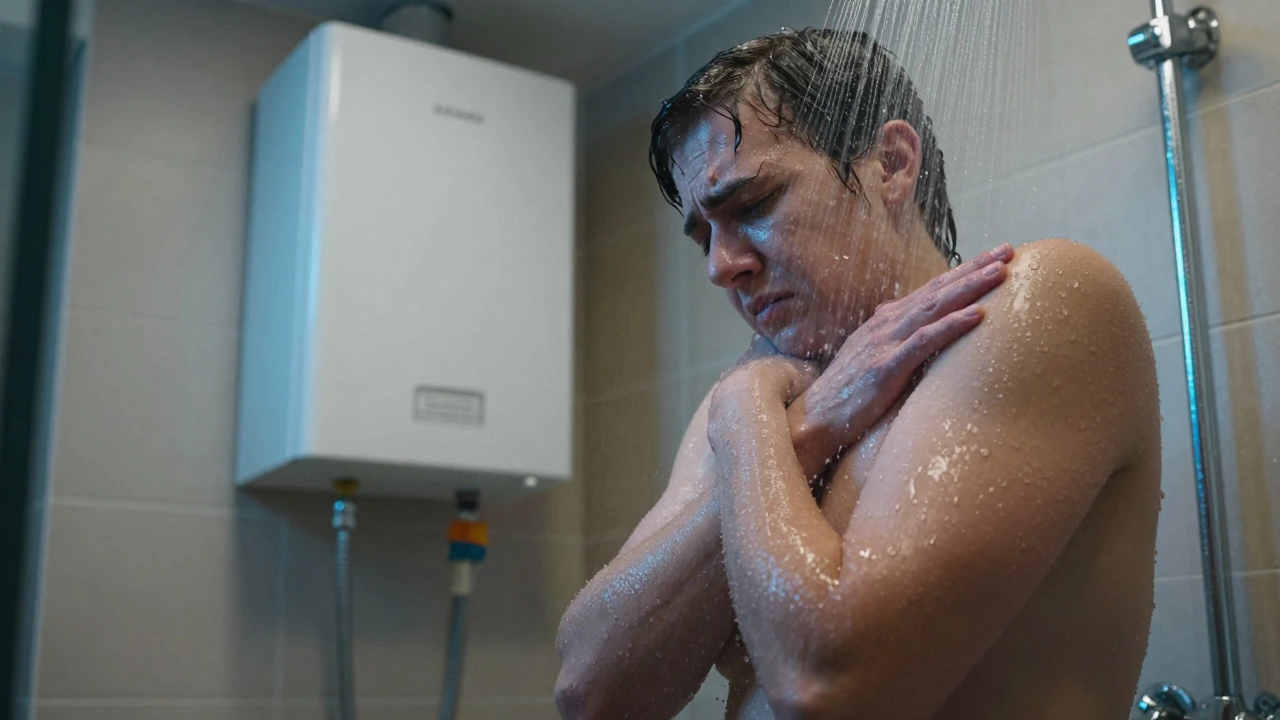
There is nothing quite like stepping into the shower only to be greeted by a wall of ice-cold water. One moment you are ready for your morning routine, and the next, you are shivering in front of a silent machine that refuses to do its job. If you have experienced this sudden loss of hot water, you are likely wondering if it is a simple fix or a catastrophic failure requiring an emergency call-out.
The good news is that most sudden hot water failures are not caused by total system collapse. They are usually triggered by specific, identifiable components failing or tripping. By following a logical diagnostic path, you can often identify the culprit without immediately paying for a technician visit. This guide walks you through the most common reasons why your water stops heating, distinguishing between gas and electric systems so you know exactly where to look first.
Quick Summary / Key Takeaways
- Check the power first: Most electric faults stem from a tripped breaker or blown fuse. Resetting the main switch often solves the issue instantly.
- Gas pilots may be out: For older gas boilers, a dead pilot light is the leading cause of no heat. Relighting it is a safe DIY task if done correctly.
- Thermostats fail silently: A faulty thermostat can send false signals that the water is already hot, preventing the burner or element from activating.
- Low pressure causes lockouts: Modern combi boilers will shut down completely if the system pressure drops below 1 bar. Check the gauge before assuming internal damage.
- Limescale is the enemy: In hard water areas, scale buildup insulates heating elements, causing them to overheat and trip safety switches.
Identify Your System Type: Gas vs. Electric
Before opening any panels or checking fuses, you need to know what kind of water heating system you actually have. The troubleshooting steps differ significantly between the two primary types found in residential homes.
If you hear a clicking sound when you turn on the tap, or see a flame indicator on a display, you likely have a Gas Boiler a device that burns natural gas to heat water for radiators and domestic use. These systems can be combi boilers (which heat water on demand) or conventional systems with a separate cylinder. If you see a digital display showing error codes, it is almost certainly a modern condensing unit.
If you have a large tank in the attic or airing cupboard, or a slim-line cylinder behind the bathroom door, you likely have an Electric Water Heater an appliance that uses immersion rods to heat stored water. These rely entirely on electricity and do not involve combustion. Knowing which one you have determines whether you should check the gas meter, the pilot light, or the electrical consumer box.
Step-by-Step Diagnosis for Electric Systems
Electric water heaters are generally simpler to troubleshoot because they lack complex combustion parts. However, they are sensitive to voltage fluctuations and limescale buildup. Here is how to approach the problem logically.
- Verify Power Supply: Go to your consumer box (fuse board). Look for a tripped breaker labeled "Shower," "Cylinder," or "Heater." If it has flipped to the middle or off position, flip it back on. If it trips again immediately, you have a short circuit or a failed element.
- Check the Thermostat: Many electric cylinders have a manual temperature dial. Ensure it is set above 30°C. If the dial is stuck or broken, the heating element will never receive the signal to turn on. You can test this by turning the dial up and down; if there is no click or resistance, the thermostat may be dead.
- Inspect the Isolation Valve: Some systems have a magnetic cut-off valve that shuts off power if the water level drops too low. If you recently had a leak or drained the tank, this valve might be open. Wait for the tank to refill and reset the valve.
- Look for Limescale Buildup: In areas with hard water, calcium deposits coat the immersion rod. This acts as insulation, forcing the element to work harder and get hotter. Eventually, the thermal cutoff switch trips to prevent fire. Flushing the tank annually prevents this.
If none of these steps work, the immersion element itself may have burned out. This is a common replacement part, but working inside a pressurized cylinder requires care. Always isolate the power and drain the tank before touching the element.
Troubleshooting Gas Boilers and Combi Units
Gas systems are more complex due to safety interlocks. Modern units have sensors that monitor flame presence, pressure, and temperature. If any sensor reports an anomaly, the control board cuts power to the burner to prevent dangerous conditions.
The Pilot Light Issue
If you have an older non-condensing boiler, check the pilot light. It should be visible through a small glass window on the front panel. If it is out, follow the relighting procedure on the manufacturer’s label. Usually, this involves holding the gas knob in the "off" position for 30 seconds, turning it to "light," pressing the button, and holding until the flame stabilizes. If it goes out after five minutes, the thermocouple is likely weak and needs replacement.
Pressure Lockouts
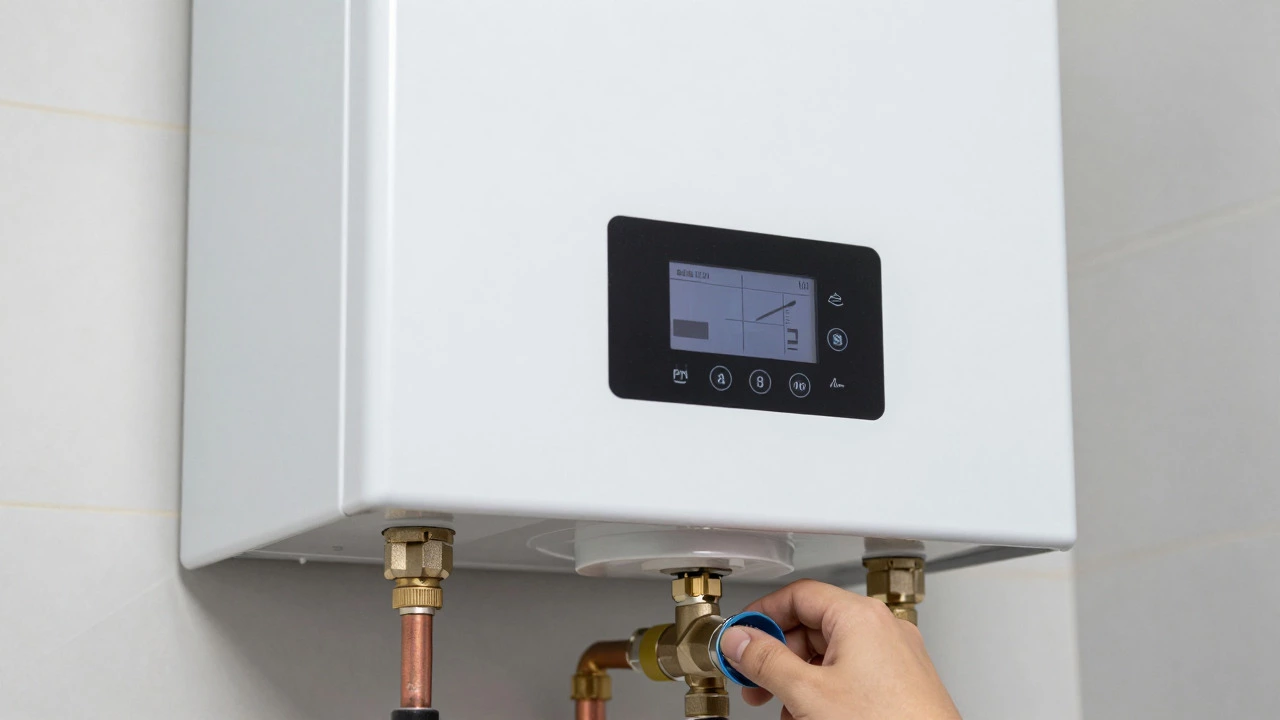
For modern combi boilers, the most frequent cause of sudden failure is low system pressure. Locate the pressure gauge on the front of the unit. The needle should sit between 1 and 1.5 bars. If it is below 0.5 bars, the pump cannot circulate water, and the boiler locks out. To fix this:
- Find the filling loop (usually a flexible hose connecting two valves at the bottom of the boiler).
- Open both valves slowly until the pressure reaches 1.2 bars.
- Close the valves and wait for the boiler to restart.
Error Codes and Sensor Failures
Most digital boilers display an error code when they fail. For example, a "Flame Loss" error means the ionization probe isn’t detecting a flame. This could be due to a dirty probe, a blocked burner, or a faulty gas valve. A "High Temperature" error suggests poor water flow, often caused by airlocks in the pipes or a failing circulation pump. Writing down the exact error code before calling a technician saves time. It allows the engineer to bring the correct spare parts, such as a specific gas valve or sensor, reducing the cost of the visit.
Common Component Failures Explained
When basic checks don’t solve the problem, the fault usually lies in one of three critical components. Understanding their roles helps you decide whether to attempt a DIY fix or book a professional.
| Component | Function | Symptom of Failure | DIY Difficulty |
|---|---|---|---|
| Thermostat a device that measures temperature and controls heating cycles | Sends signal to turn heating on/off | No heat, inconsistent temperature, or constant running | Medium (requires electrical knowledge) |
| Circulation Pump a motor-driven pump that moves heated water through pipes | Moves water through the system | Noisy operation, cold spots, or complete shutdown | Hard (plumbing skills required) |
| Gas Valve a solenoid-controlled valve that regulates gas flow to burners | Controls gas supply to burner | No ignition, flickering flame, or error codes | Expert (gas safety certification needed) |
The Circulation Pump is often overlooked. If it fails, water stays stagnant in the pipes. You might still have hot water at the taps closest to the boiler, but distant taps remain cold. Listen for a humming sound near the boiler; if it is silent, the pump motor may be seized. Replacing a pump is a standard plumbing job, but ensure the system is depressurized before removing fittings.
Gas valves are strictly regulated. In many regions, only certified engineers can replace them. If your boiler is more than ten years old, the cost of replacing a gas valve might exceed the value of the unit itself. In such cases, upgrading to a new high-efficiency model is often more economical in the long run due to lower energy bills.
Preventive Maintenance Tips
Most sudden failures are preceded by gradual wear. Implementing a simple maintenance schedule can extend the life of your water heater by several years.
- Annual Servicing: Have a professional inspect the flue, clean the burner, and check the thermostat accuracy. This catches minor issues before they become major failures.
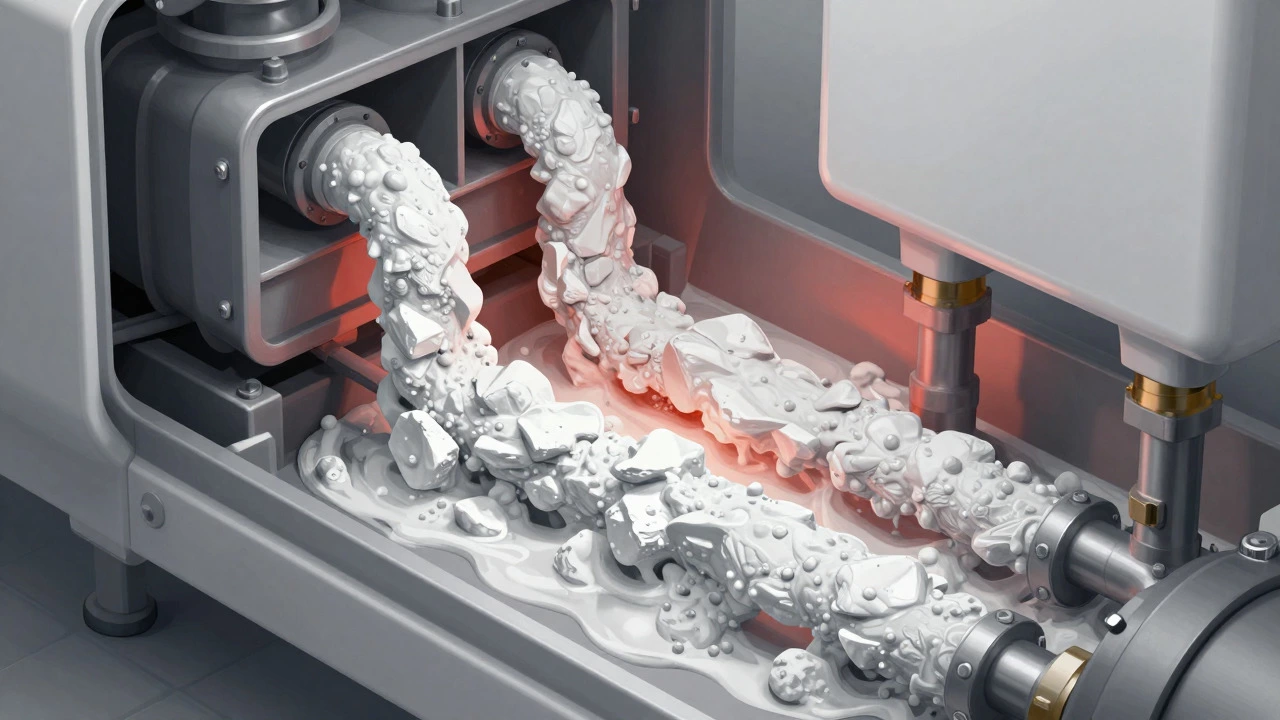
- Descale Regularly: If your water hardness is above 150 mg/l, flush the cylinder or install a descaling filter every six months. Scale reduces efficiency by up to 30%.
- Monitor Pressure:
- Check the boiler pressure gauge weekly. Top up if it drops below 1 bar.
- Bleed radiators annually to remove air pockets that block circulation.
Keeping a log of when you last serviced the unit and any unusual noises helps diagnose problems faster. If the boiler makes a banging sound, it likely has sludge buildup in the heat exchanger. This requires a chemical flush, which is best left to professionals.
When to Call a Professional
While some fixes are straightforward, others carry risks. You should call a licensed technician if:
- You smell gas (evacuate and call the utility company first).
- The boiler leaks water continuously.
- Error codes persist after resetting and topping up pressure.
- The system is older than 15 years and experiencing multiple faults.
Frequently Asked Questions
Why does my water go cold only in the shower?
This usually indicates a flow rate issue. If the shower head is clogged with limescale, water cannot flow fast enough to trigger the mixing valve. Clean the shower head or check the inlet filter. If other taps are also affected, the circulation pump may be struggling.
Is it safe to leave a leaking water heater unattended?
No. Water damage can spread quickly to floors and walls. Turn off the main water supply and the power/gas supply to the unit. Place a bucket under the leak and contact a plumber for inspection. Small pinhole leaks often indicate corrosion that will worsen over time.
How often should I replace my water heater?
Electric tanks typically last 8-12 years, while gas boilers can last 15-20 years. After 10 years, efficiency drops significantly. Monitor repair costs; if a single repair exceeds 40% of the unit's value, consider replacement.
Can limescale really stop a water heater from working?
Yes. Thick scale layers insulate heating elements, causing them to overheat and trip safety switches. In gas boilers, scale blocks the heat exchanger, reducing heat transfer and triggering high-temperature errors. Annual flushing is essential in hard water areas.
What does a 'Flame Loss' error mean on my gas boiler?
It means the ionization probe did not detect a flame during startup. Causes include a dirty probe, blocked burner, low gas pressure, or a faulty gas valve. Clean the probe with fine sandpaper if accessible, or call a technician to check the gas supply and valve operation.