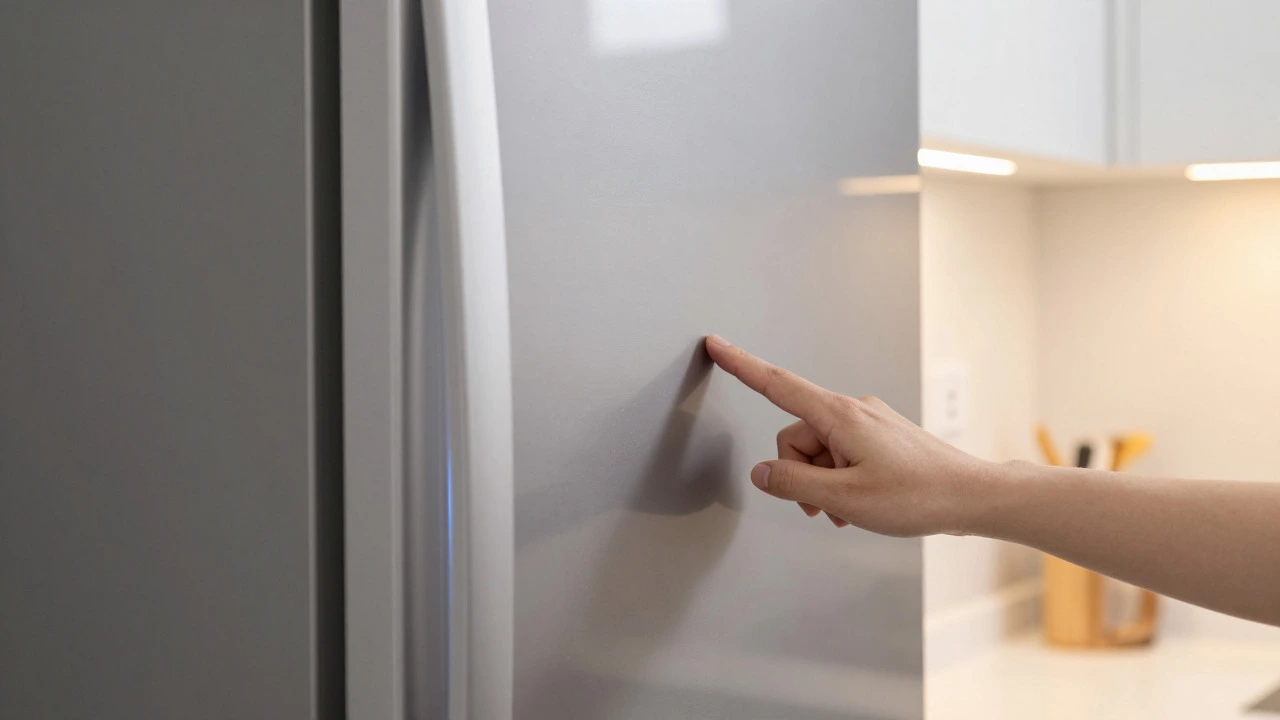
Fridge Failure Diagnosis Tool
Diagnosis Results
Recommended Actions:
Select symptoms and click "Diagnose Issue" to see potential causes and fixes.
Nothing ruins a Sunday morning like opening the fridge door to find warm milk and soft ice cream. You check the power outlet, listen for hums, and wonder if you just bought a lemon or if something simple is wrong. Most of the time, when a refrigerator is a household appliance that maintains low temperatures to preserve food suddenly stops working, it’s not a catastrophic failure. It’s usually one of five specific components giving up. Knowing which one saves you hundreds in unnecessary replacement costs.
The Quick Check: Power and Settings
Before you call a technician, rule out the obvious. About 15% of "dead" fridges are actually just unplugged, tripped, or set incorrectly. Start at the wall. Is the plug firmly seated? Try plugging in a lamp to verify the socket has live current. If the lights inside the fridge work but the cold doesn’t, your issue is mechanical, not electrical. If nothing works-no light, no hum-it’s likely a power supply issue, a blown fuse in the control board, or a tripped circuit breaker in your main panel. In Perth, where heatwaves can push ambient temperatures above 35°C, overloaded circuits during peak summer hours are a common culprit. Resetting the breaker often restores function immediately.
The Compressor: The Heart of the System
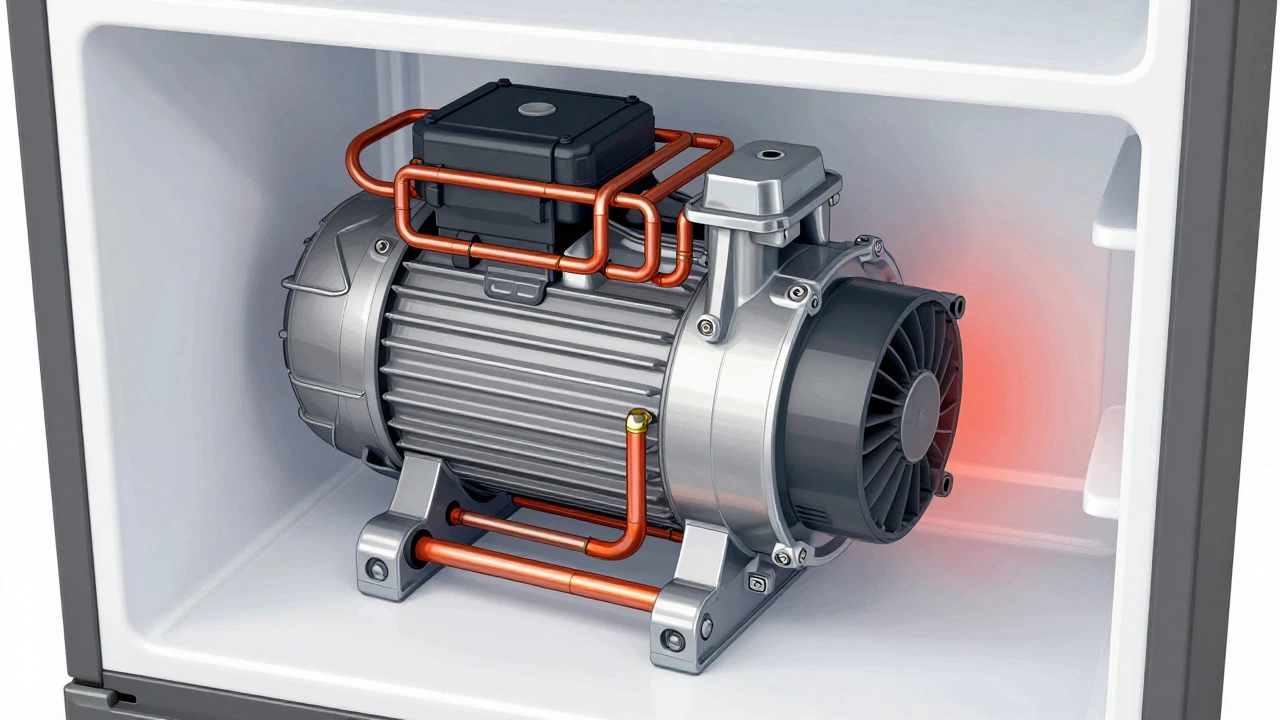
If the fan runs but the air stays warm, suspect the compressor is the motor-driven pump that circulates refrigerant through the system. Listen closely near the bottom back or side of the unit. A healthy compressor makes a steady, low-frequency hum. Silence means it hasn’t started; a clicking sound every few seconds indicates the start relay is failing. A grinding noise suggests internal wear. When the compressor fails, the entire cooling cycle stops because refrigerant isn’t being compressed into high-pressure gas. Replacing a compressor is expensive-often 40-60% of the cost of a new fridge-but if your unit is under five years old, it’s worth considering. Older units might be better off replaced entirely.
Thermostat and Control Board Faults
The thermostat is a sensor that monitors internal temperature and signals the compressor to turn on or off acts as the brain of your fridge. If it gets stuck in the "off" position, the compressor never kicks in, even if the room is hot. Digital models use electronic control boards instead of mechanical dials. These boards can fail due to voltage spikes, moisture ingress, or age. Symptoms include erratic temperature swings, the display flickering, or the unit running constantly without reaching the set temperature. Testing a thermostat requires a multimeter to check for continuity. If resistance reads infinite (open circuit), the part needs replacing. For digital boards, swapping the module is straightforward but requires matching the exact model number found on the sticker inside the door frame.
Condenser Coils: The Silent Killer
This is the most overlooked maintenance task. The condenser coils are metal tubing networks that release heat from the refrigerant to the surrounding air are located behind the kick plate at the bottom front or on the sides/back of the unit. Over time, they collect dust, pet hair, and kitchen grease. When clogged, the compressor has to work harder to reject heat, eventually overheating and shutting down via its thermal overload protector. This looks exactly like a dead fridge until it cools down enough to restart. Cleaning these coils takes 15 minutes with a brush and vacuum. Do this twice a year, especially before Australian summer. If the compressor feels hot to the touch but isn’t running, clean the coils first. If it still shuts down, the compressor may have sustained damage from prolonged overheating.
Fan Motor Failures
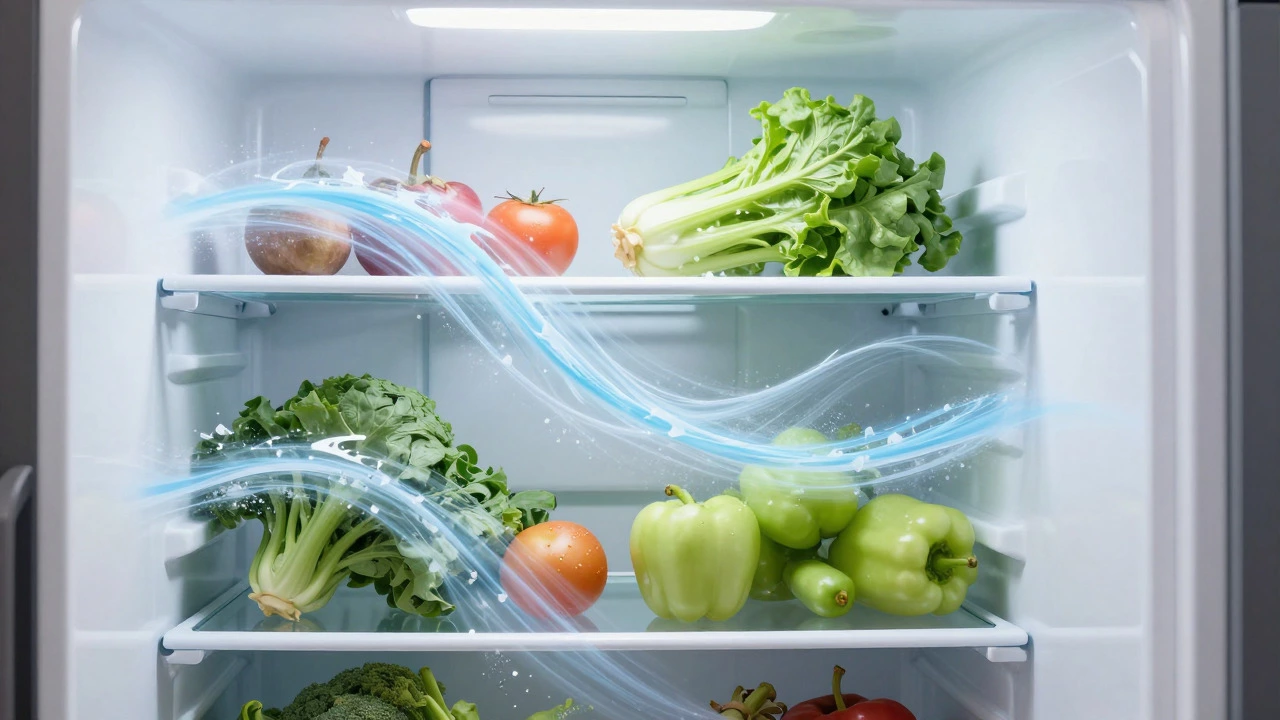
Modern fridges use two fans: an evaporator fan (inside the freezer) and a condenser fan (near the compressor). If the evaporator fan fails, cold air won’t circulate into the fresh food section. You’ll notice the freezer stays cold, but the fridge warms up. Ice buildup on the back wall of the freezer is a classic sign-the fan blades are blocked by frost. Defrosting the unit manually for 24 hours can clear the blockage. If the problem returns quickly, replace the fan motor. The condenser fan, meanwhile, helps cool the compressor and coils. If it dies, the compressor overheats faster, leading to the shutdown issues mentioned earlier. Both motors are inexpensive parts, usually under $50, making them easy DIY fixes if you’re comfortable with basic tools.
Door Seals and Gasket Integrity
A weak magnetic seal lets warm, humid air sneak in. Your fridge compensates by running the compressor longer, increasing energy bills and causing premature wear. Perform the dollar bill test: close the door on a bill. If you can pull it out easily without resistance, the gasket is worn. In older models, gaskets harden and crack over time. Replacement gaskets are available for most brands and fit tightly against the door frame. While you’re at it, check the hinges. Sagging doors don’t close fully, creating the same leak. Tightening hinge screws or adjusting the leveling feet at the base can restore proper alignment. This fix prevents 20% of "not cooling" complaints that aren’t actually component failures.
| Symptom | Likely Cause | DIY Difficulty | Estimated Cost (AUD) |
|---|---|---|---|
| No power, no light | Tripped breaker, loose plug, faulty cord | Easy | $0 - $80 |
| Light works, no cooling | Compressor, thermostat, or fan motor | Moderate-Hard | $150 - $400 |
| Freezer cold, fridge warm | Evaporator fan blocked or failed | Easy-Moderate | $50 - $120 |
| Clicking sound, then silence | Start relay or capacitor failure | Easy | $30 - $60 |
| High energy bill, warm air | Clogged condenser coils or bad door seal | Easy | $0 - $100 |
When to Call a Professional vs. Replace
Here’s the rule of thumb used by technicians in Perth: if the repair cost exceeds 50% of the price of a comparable new unit, replace it. Compressor replacements and control board swaps often hit this threshold for units older than seven years. Newer models (under five years) benefit from repairs because they’re still within their prime efficiency window. Also consider warranty status. Many manufacturers offer five-year parts and labor warranties. If you’re within that period, always call the authorized service provider first. Third-party repairs can void the warranty. For complex issues like refrigerant leaks, professional handling is mandatory. Leaks require specialized gauges and EPA-certified equipment to recharge the system correctly. Attempting a DIY recharge without proper recovery leads to environmental fines and poor performance.
Preventive Maintenance Checklist
You can extend your fridge’s life by several years with simple habits. Vacuum the condenser coils every six months. Clean the door seals monthly with mild soap and water to prevent mold and maintain flexibility. Keep the interior below 80% capacity to allow airflow. Unplug the unit for 24 hours once a year to defrost completely and inspect for hidden debris. Check the drain hole at the back of the fridge compartment-if it’s clogged with food particles, water will pool and freeze, blocking the evaporator fan. Clear it with a pipe cleaner or warm water. These steps take less than an hour annually but prevent the majority of sudden breakdowns.
How long does a typical fridge compressor last?
Most compressors last between 10 and 15 years with regular maintenance. However, frequent short cycling, clogged coils, or voltage fluctuations can reduce this lifespan to 7-8 years. If your compressor starts making unusual noises like rattling or loud humming, schedule an inspection soon.
Is it safe to run a fridge without the condenser fan?
Not for long periods. Without the condenser fan, the compressor relies solely on natural convection to dissipate heat. This causes the compressor to run hotter, increasing wear and the risk of burnout. In hot climates like Perth, expect the compressor to shut down more frequently due to thermal protection.
What temperature should my fridge and freezer be set to?
The ideal fridge temperature is 3-4°C (37-39°F) to keep food safe without freezing vegetables. The freezer should be set to -18°C (0°F) for long-term preservation. Setting the fridge too cold wastes energy and can freeze dairy products; setting it too warm promotes bacterial growth.
Why does my fridge make a clicking sound and then stop?
This is usually a failing start relay or capacitor. The click is the relay attempting to engage the compressor motor. If the motor doesn’t start, the relay resets and tries again after a few seconds. Replacing the start kit (relay and capacitor) is a cheap and effective fix, often costing less than $50 for parts.
Should I leave the fridge door open while it’s broken?
No. Leaving the door open increases humidity inside, which can cause ice buildup on the evaporator coils once power is restored. This extra ice can block the fan and delay cooling. Instead, move perishables to a cooler bag or neighbor’s fridge if possible. If the outage lasts more than four hours, discard meat, fish, and cut fruits to avoid foodborne illness.