Hot Water Troubleshooter
Follow these steps to diagnose your issue. Click "Yes" or "No" to proceed through the diagnostic path.
Step 1 Check Isolation Valves
Locate the valves under the sink or behind an access panel near the shower. Ensure the handle for the hot water line is parallel to the pipe (open).
Is the hot water isolation valve fully open?
Step 2 Bleed Air Locks
If you recently had work done on your system, air might be trapped. Open the highest hot water tap (shower) and briefly open the lowest one (laundry) to push air out.
Did you hear gurgling, and did flow become steady/warm?
Step 3 Test Shower Head
Remove the shower head completely. Turn on the hot water to see if strong hot water shoots out of the hose.
Is the flow strong and hot without the shower head attached?
Step 4 Check Mixing Valve Type
Look at your shower controls. If it has two separate taps (one red/hot, one blue/cold), try turning off the cold tap completely and opening the hot tap fully.
Does the water get warm when only the hot tap is open?
Diagnosis Complete
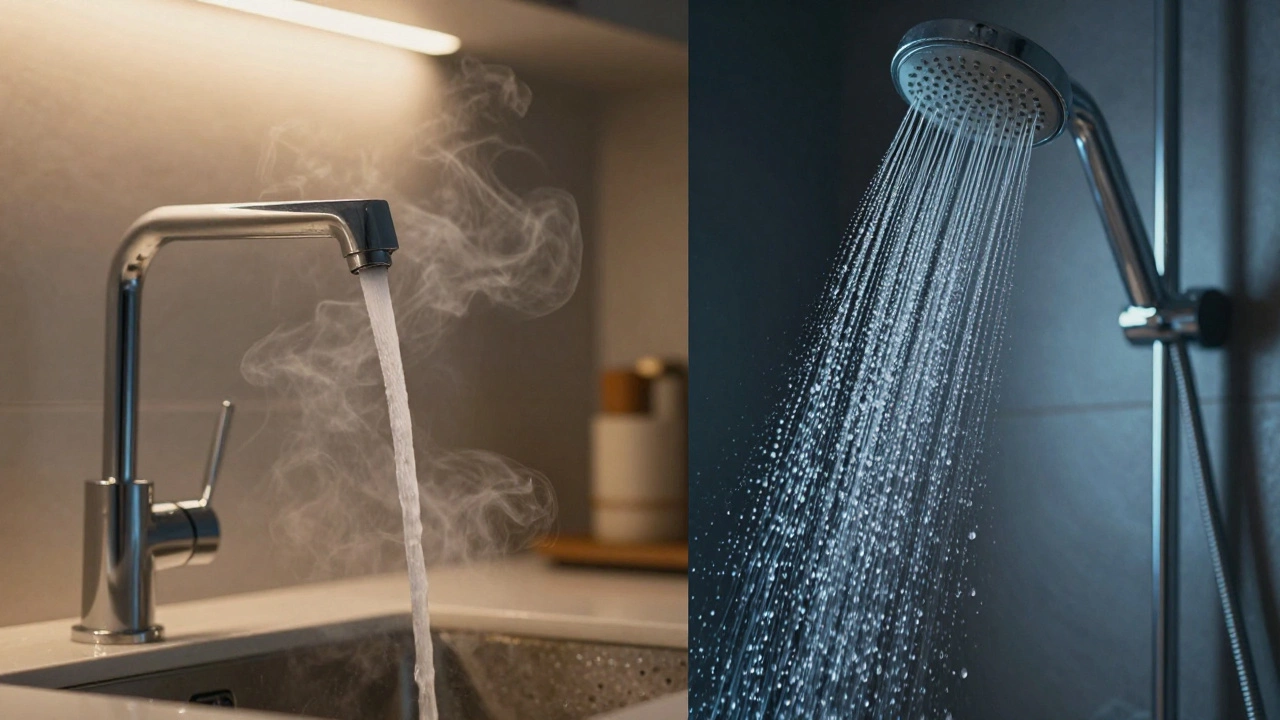
You turn on the kitchen tap and get scalding hot water. You walk into the bathroom, turn on the shower, and get nothing but ice-cold rain. It is frustrating, confusing, and it usually points to a specific problem within your home's plumbing or heating system. Since the hot water is reaching the sink, we know your water heater is working. The issue lies somewhere between the heater and the showerhead.
This scenario is common in homes with separate circuits for different fixtures. In Perth, where we rely heavily on electric instant heaters or gas continuous flow systems, this split often happens due to valve failures, blockages, or thermostat settings. Let’s break down exactly why this happens and how you can fix it without calling an expensive plumber immediately.
The Most Likely Culprit: The Mixing Valve
In most modern Australian bathrooms, you do not connect the shower directly to the raw hot and cold pipes from the wall. Instead, there is a device called a mixing valve (or thermostatic mixer) that blends the two streams to prevent scalding. If your kitchen sink has a simple tap that lets you adjust the temperature manually, but your shower uses a single-lever mixer, the shower valve is the prime suspect.
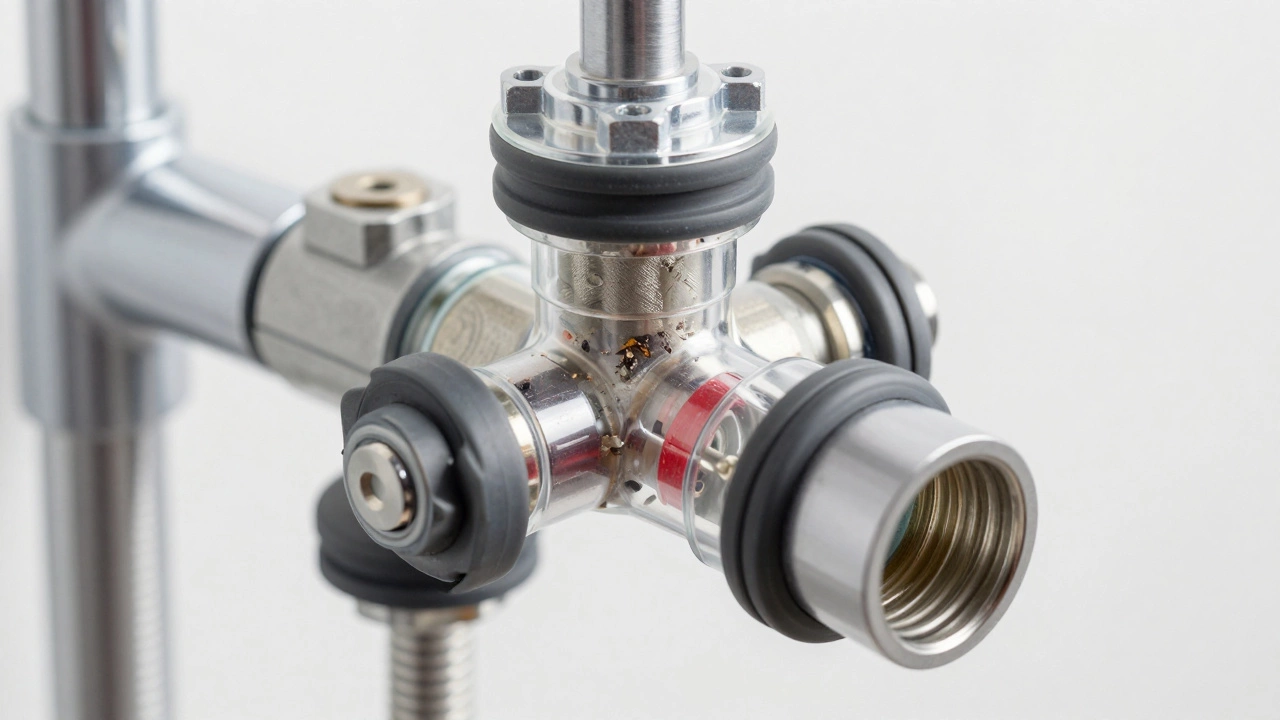
Mixing valves contain internal cartridges with rubber seals and small plastic components. Over time, these parts degrade. If the cartridge gets stuck in the "cold" position, or if debris from the pipes blocks the hot water inlet inside the valve, no hot water will pass through. The cold water might still flow because its path is less restricted or the mechanism defaults to open for safety.
How to check: Look at your shower controls. If it is a single lever or a digital panel, the valve is likely faulty. If it has two separate taps (one red/hot, one blue/cold), try turning off the cold tap completely and opening the hot tap fully. If you feel warmth now, your mixing valve is broken. If it is still cold, the problem is further upstream.
Check the Isolation Valves
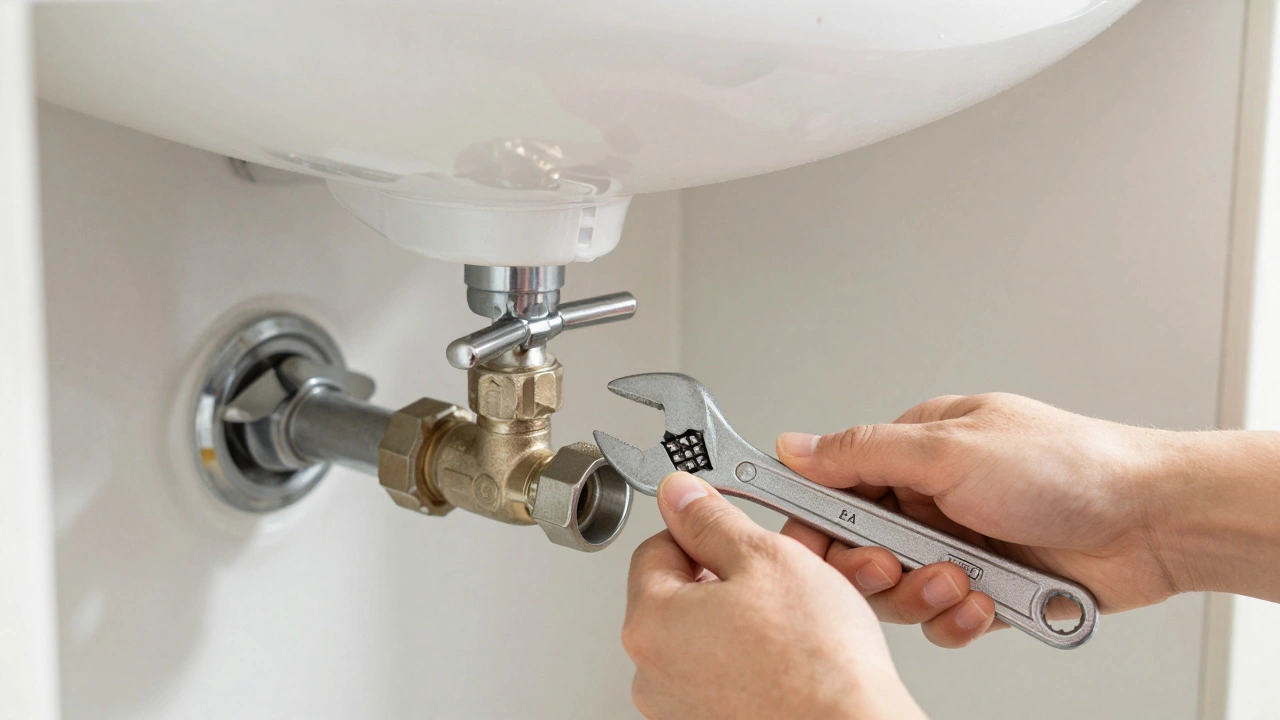
Every major fixture in your house should have isolation valves-small taps that allow you to shut off water to just that fixture for repairs. Sometimes, during maintenance or by accident, the hot water isolation valve for the bathroom is partially closed or fully shut. Meanwhile, the kitchen circuit remains open.
Locate the valves under the sink or behind an access panel near the shower. There should be two: one for hot and one for cold. Ensure the handle for the hot water line is parallel to the pipe (open). If it is perpendicular, it is closed. Turn it slowly to see if pressure returns. Be careful; old valves can snap if forced.
Air Locks in the System
If you recently had work done on your hot water system, such as flushing the tank or replacing a part, you might have an air lock. Air is lighter than water and can get trapped in high points of the piping. If the pipe running to your shower rises higher than the pipe to your kitchen, air may settle in the shower line, blocking the water flow entirely. Cold water, being heavier and under different pressure dynamics, might push through, but the hot water stays blocked.
The Fix: Open the highest hot water tap in your house (often a bathroom basin or the shower itself) and let it run. Then, go to the lowest hot water tap (like a laundry sink) and open it briefly to help push the air out. You might hear gurgling sounds. Repeat this until the flow becomes steady and warm.
Diverter Valve Issues (For Bath/Shower Combos)
If your setup includes a bath with a shower head attached via a diverter arm, the mechanism that switches water from the bath spout to the shower head might be failing. A worn-out diverter seal can cause the water to bypass the shower head entirely or mix incorrectly. However, since you mentioned *no* hot water, this is less likely to be a diverter issue unless the diverter is also restricting flow so severely that only cold pressure overcomes it. Still, it is worth inspecting the rubber washer inside the diverter knob.
Sediment Buildup and Blockages
Perth’s water supply can be hard, leading to lime scale buildup. If your shower head or the flexible hose connecting it is clogged with calcium deposits, flow will be restricted. Usually, this affects both hot and cold, but if the hot water side of the pipe has more sediment (because hot water dissolves minerals differently and redeposits them as it cools in the pipes), you might experience a significant drop in hot water pressure while cold flows normally.
Remove the shower head and turn on the hot water. If strong hot water shoots out, the shower head is clogged. Soak it in vinegar overnight to dissolve the scale. If the flow is still weak without the head, the blockage is in the pipe or the valve.
Water Heater Capacity and Demand
While less likely if the sink works perfectly, consider the type of heater you have. If you use an electric storage tank, and someone else used the kitchen hot water heavily right before you tried the shower, the tank might be depleted. However, this would usually result in lukewarm water, not cold. If you have a continuous flow (instant) gas or electric heater, check the flow rate setting. Some units have a minimum flow rate required to ignite the burner or activate the heating element. If the shower head restricts flow too much, the unit might not trigger, sending cold water through. Try removing the shower head to increase flow and see if heat kicks in.
| Potential Cause | Symptoms | Difficulty Level | Action Required |
|---|---|---|---|
| Stuck Mixing Valve | Cold water flows freely; hot water does not enter the shower stream. | Medium | Replace the cartridge or the entire mixing valve. |
| Closed Isolation Valve | No hot water pressure at all in the bathroom. | Easy | Open the hot water isolation valve under the sink or behind the wall. |
| Air Lock | Gurgling noises; intermittent flow after recent repairs. | Easy | Bleed the system by opening highest and lowest taps. |
| Clogged Shower Head | Weak flow from both hot and cold, but noticeably worse for hot. | Easy | Clean or replace the shower head. |
| Thermostat Failure | Water comes out cold even when the heater is on. | Hard | Call a licensed plumber to check the water heater thermostat. |
When to Call a Professional
If you have checked the valves, cleared air locks, and cleaned the shower head, but the problem persists, the issue might be internal to the water heater or a hidden pipe leak. In Western Australia, gas appliances must be serviced by licensed professionals. If your system is gas-powered, do not attempt to disassemble the heater. For electric systems, electrical safety is paramount. If the thermostat inside the heater has failed, it might be sending cold water to certain zones while others remain heated, though this is rare in standard residential setups.
A plumber can perform a pressure test to identify leaks and flush the lines to remove stubborn sediment. They can also replace complex mixing valves that are built into the wall, which requires cutting into tiles if not accessible.
Can a faulty water heater cause hot water in the sink but not the shower?
It is unlikely if the sink has strong hot water. This indicates the heater is producing heat. The problem is almost certainly in the distribution path to the shower, such as a blocked pipe, closed valve, or faulty mixing valve.
How much does it cost to fix a mixing valve in Perth?
Replacing a shower mixing valve typically costs between $150 and $300 including labor, depending on accessibility. If the valve is recessed behind tiles, costs can rise significantly due to tiling repairs.
Is it safe to use the shower if only cold water comes out?
Yes, it is safe to use cold water. However, avoid using it if you suspect a gas leak (smell of rotten eggs) or if there is visible water damage around the heater or pipes.
Why does my hot water take longer to reach the shower than the sink?
This is normal if the shower is further from the water heater. Pipes act as insulation, and cold water sits in them when not in use. Installing a recirculation pump can solve this, but it increases energy bills.
Can low water pressure affect hot water delivery?
Yes. Instantaneous water heaters require a minimum flow rate to activate. If pressure is too low, the heater won't fire, and you'll get cold water. Check your main pressure gauge or consult your heater's manual for minimum requirements.