If your electric oven suddenly stopped working, you’re not alone. Thousands of homeowners in Perth and across Australia face this problem every year - especially during the colder months when they rely on their oven for cooking meals, baking, and roasting. The good news? Most of the time, it’s not a costly replacement. It’s usually a simple, fixable issue. Here’s what’s likely going on and how to check it yourself - safely and without calling a technician unless you absolutely need to.
The oven won’t turn on at all
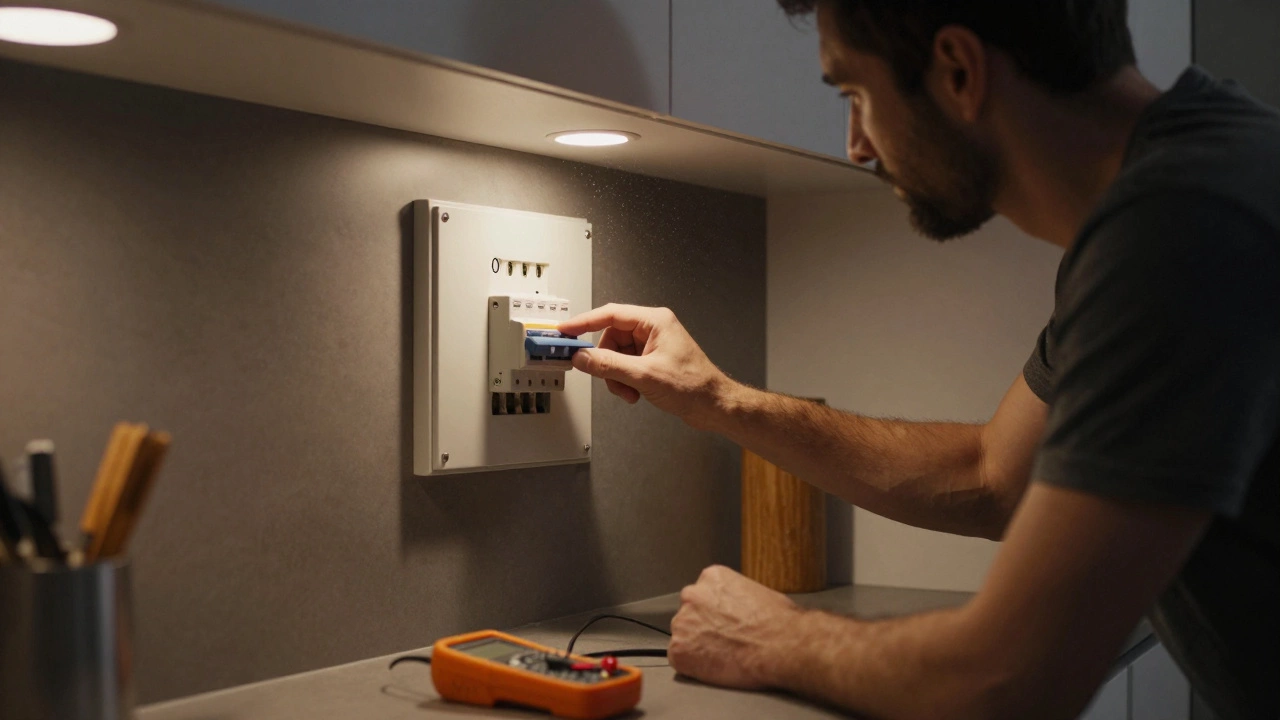
If nothing happens when you press the power button or set the temperature, the first thing to check is the simplest: power. Make sure the oven is plugged in (if it’s a plug-in model) and that the circuit breaker hasn’t tripped. Many electric ovens draw 240 volts, so they’re on their own dedicated circuit. Go to your switchboard and look for a breaker labeled “Oven,” “Cooktop,” or “Kitchen.” If it’s flipped to the middle or off position, reset it. If it trips again right after, don’t keep resetting it - there’s a short or overload that needs professional attention.
Another common cause is a faulty thermal fuse. This safety device cuts power if the oven overheats. It’s usually located near the heating element or ventilation system. You can’t see it without pulling the oven out and removing the back panel, but if the oven worked fine yesterday and suddenly died, this is a top suspect. A multimeter can test for continuity - if it reads zero, the fuse is blown and needs replacing. Thermal fuses are inexpensive ($15-$30) and easy to swap if you’re comfortable with basic tools.
The oven light works, but it doesn’t heat
If the interior light turns on but the oven doesn’t get hot, the issue is almost always with the heating elements. Electric ovens have two main elements: the bake element (bottom) and the broil element (top). The bake element does most of the work during normal cooking. If it’s burned out, the oven might not heat at all - or only heat unevenly.
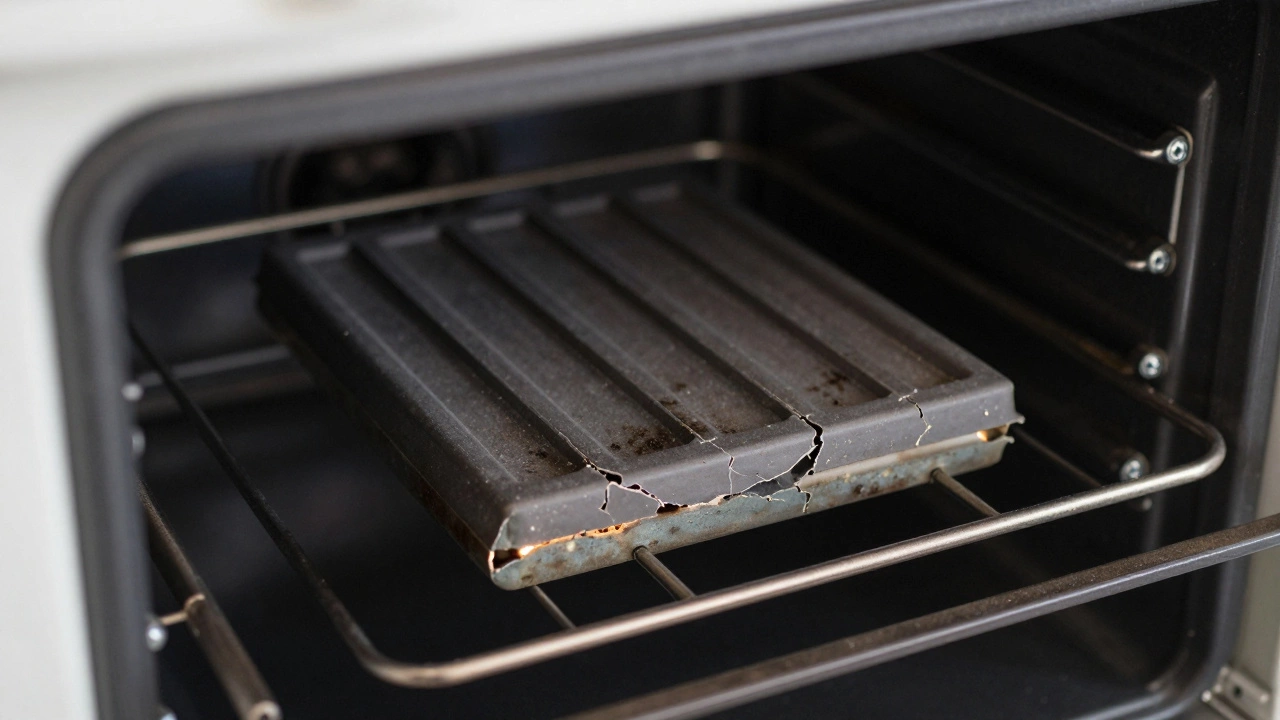
Visually inspect the bake element. Look for cracks, blistering, or sections that are glowing red while others stay dark. A healthy element glows evenly when hot. If you see any damage, it’s time to replace it. You can order a replacement part using your oven’s model number (usually found on a sticker inside the door frame or on the side of the oven cavity). Replacing the element takes under 30 minutes: unplug the oven, remove the screws holding the element, disconnect the wires, and plug in the new one. Make sure the wires are connected tightly - loose connections cause arcing and more damage.
Don’t forget the broil element. Even if you rarely use broil, a broken broil element can sometimes prevent the oven from heating properly because the control board checks both elements before activating the bake cycle. Test it with the same visual inspection - if it’s damaged, replace it too.
The oven heats but not to the right temperature
If the oven turns on and gets hot, but your food comes out undercooked or burnt, the thermostat or temperature sensor is probably off. Modern ovens use a temperature sensor - a thin metal probe inside the oven cavity - to monitor heat. Over time, it can become inaccurate due to grease buildup, physical damage, or aging.
Use an oven thermometer to check the actual temperature. Set the oven to 180°C and let it preheat. After 20 minutes, open the door and check the thermometer. If it reads 150°C or 210°C, your sensor is faulty. Most sensors cost between $40 and $70. Replacing it involves removing the back panel, disconnecting the sensor, and installing the new one. Make sure you match the exact model number - sensors aren’t universal.
Older ovens with mechanical thermostats can also drift. These are harder to test without specialized tools. If your oven is over 15 years old and the sensor replacement doesn’t fix it, the thermostat may need replacing - or it’s time to consider upgrading.
The display is blank or showing error codes
Many newer electric ovens have digital displays that show error codes like “F1,” “E2,” or “PF.” These aren’t random - they’re diagnostic codes. Look up your oven’s manual online (search for “[your brand] model number manual PDF”) to decode the error. Common ones:
- PF - Power failure. Reset the breaker and try again.
- F1 - Control board failure. Often means the main electronic control unit is faulty.
- E2 - Temperature sensor error. Could be a bad sensor or broken wiring.
If you see F1 or similar codes after checking the sensor and elements, the control board might be the issue. This is the brain of the oven. Replacing it costs $150-$300 and requires careful handling - one wrong touch can fry it. If you’re not confident, hire a technician. But if you’re handy, you can buy the board online and swap it. Just remember to unplug the oven and take photos of the wiring before disconnecting anything.
Why it might be the control board - and when to avoid replacing it
The control board is often blamed when other parts are fine. But here’s the catch: it rarely fails on its own. Usually, something else - a shorted element, a failed sensor, or a power surge - damages the board. If you replace the board without fixing the root cause, the new one will fail too.
Before spending $200 on a control board, make sure:
- The heating elements are intact
- The temperature sensor reads correctly
- The thermal fuse is good
- No water or grease has spilled inside the control panel
If all those are fine, then the board is likely the culprit. But if your oven is older than 10 years and multiple components are failing, it might not be worth repairing. A new mid-range electric oven costs $800-$1,200 and comes with better energy efficiency, smarter controls, and a warranty.
Prevention tips to avoid future breakdowns
Electric ovens last 10-15 years on average. You can stretch that with a few simple habits:
- Don’t spray oven cleaner directly on heating elements - it can corrode them.
- Wipe up spills while they’re still warm (not hot) to prevent baked-on grime that strains the heating system.
- Check the door seal annually. A warped or cracked seal lets heat escape and forces the oven to work harder.
- Use the self-cleaning feature sparingly. High heat (over 500°C) wears out elements and sensors faster.
- Install a surge protector for your oven. Power spikes from storms or grid fluctuations are a leading cause of control board failure.
Many Perth households experience voltage fluctuations during summer heatwaves. If you’ve had multiple appliance failures recently, consider having an electrician check your home’s wiring. A faulty neutral connection can fry electronics one by one.
When to call a professional
You can fix most electric oven problems yourself - but not all. Call a technician if:
- You smell burning plastic or ozone (like burnt metal)
- Smoke or sparks come from the oven
- The breaker trips repeatedly
- You’re uncomfortable working with 240-volt wiring
- The oven is under warranty and you don’t want to void it
Most repair technicians charge $80-$120 per hour. If the repair cost exceeds $200, compare it to the price of a new oven. Many retailers offer delivery and removal for old units - sometimes for free.
Why did my electric oven stop working suddenly?
Electric ovens often fail suddenly due to a blown thermal fuse, a broken heating element, a faulty temperature sensor, or a power surge that damaged the control board. Most of these issues are fixable without replacing the whole oven. Start by checking the circuit breaker, then inspect the elements and sensor for visible damage.
Can I replace the oven element myself?
Yes, replacing a bake or broil element is one of the easiest oven repairs. You’ll need a screwdriver and a multimeter to test the old element. Unplug the oven, remove the screws holding the element, disconnect the wires, and install the new one. Make sure the replacement matches your oven’s model number. Most parts cost under $50.
Is it worth repairing an old electric oven?
If your oven is over 10 years old and needs multiple repairs - like a new element, sensor, and control board - it’s probably not worth it. A new oven costs $800-$1,200 but uses 20-30% less energy and comes with a 1-2 year warranty. If it’s only one part failing and the oven works well otherwise, repair it.
Why does my oven take forever to heat up?
Slow heating usually means one heating element is weak or broken. The oven may still turn on, but it’s only using the broil element or a partial bake element. Use an oven thermometer to confirm the temperature. If it’s 30°C or more below what you set, replace the bake element. A dirty oven or poor door seal can also slow heating.
Can a power surge kill my electric oven?
Yes. Power surges - from storms, faulty wiring, or even large appliances cycling on - can fry the control board or sensors. If your oven died right after a thunderstorm or a neighbor’s air conditioner kicked on, a surge is likely the cause. Installing a surge protector for your oven can prevent this. If the display is blank and elements don’t heat, the control board may need replacing.