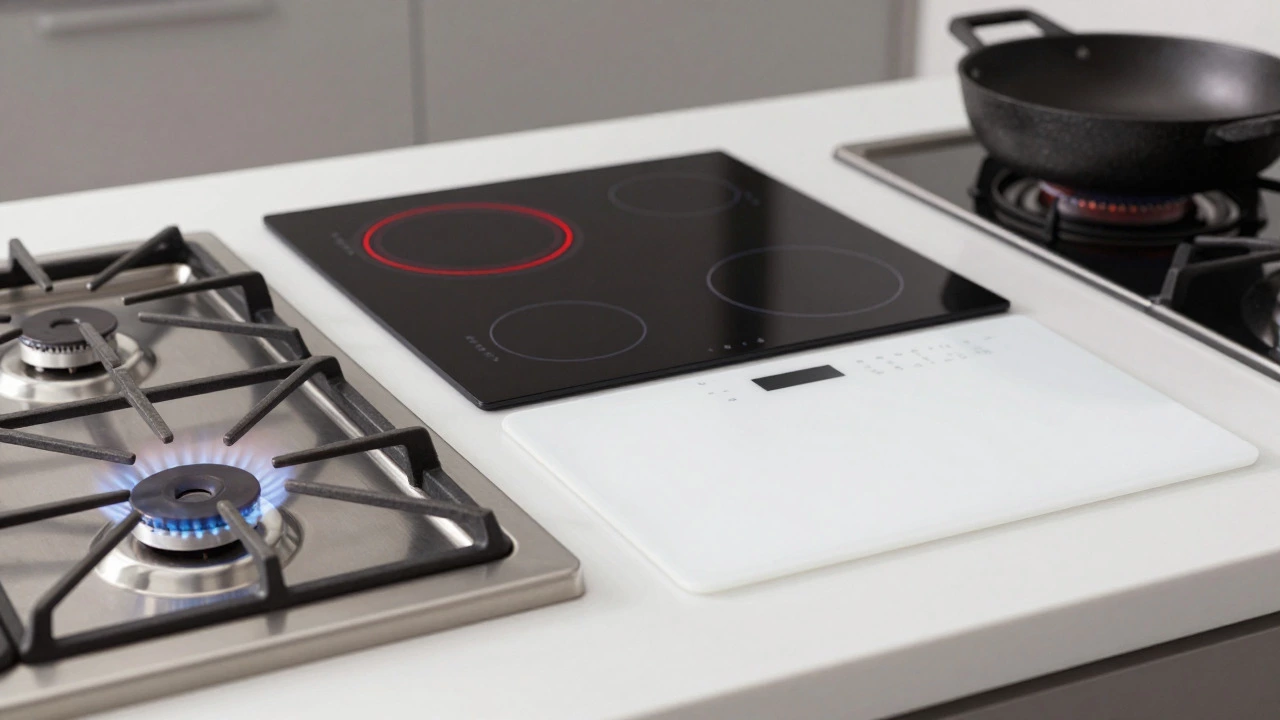
Hob Lifespan & Repair Advisor
Select your hob type and describe the issue to get a data-backed recommendation on whether to fix it or buy new.
There is a moment in every kitchen where the cooking surface stops behaving. Maybe the burner won’t light, or the touch controls feel unresponsive. Before you rush to replace the entire unit, it helps to know exactly what you should expect from your equipment. Understanding the typical hob lifespan saves you money and prevents unnecessary waste. Most modern hobs are designed to serve you for a specific number of years before components naturally wear out.
The answer depends heavily on the type of technology you installed. A basic ceramic glass model behaves differently than a high-end induction unit. Knowing the difference helps you decide when to fix and when to swap. This guide breaks down the realistic timelines for different hob types, the factors that kill them early, and how to stretch their life.
Typical Lifespans by Hob Type
Not all hobs are created equal. The internal mechanics dictate how long they survive daily use. Here is what you can generally expect from each major category:
- Gas Hobs are durable cooking surfaces using natural gas or LPG burners. They typically last 15 to 20 years. The parts are simple: valves, igniters, and grates. If one part fails, it is often cheap to replace.
- Ceramic Glass Hobs are flat-top electric units with heating elements under glass. They usually last 10 to 15 years. The main risk is cracking the glass surface or burning out the heating coils.
- Induction Hobs are electromagnetic cooking surfaces that heat pans directly. They have a projected life of 10 to 12 years. While efficient, they rely on complex electronics and cooling fans that can fail.
- Cast Iron Hobs are traditional heavy-duty surfaces with open flames or solid fuel. They can last 20+ years. These are rare in modern kitchens but extremely tough if maintained.
Notice that gas units tend to outlast electric ones. Why? Because electricity involves more moving electronic parts that degrade over time. Gas relies on mechanical flow and ignition, which is simpler and more robust.
Factors That Shorten Your Hob's Life
You might wonder why your five-year-old hob is already acting up. It is rarely just bad luck. Several common habits accelerate wear and tear significantly.
Heat Shock and Temperature Changes
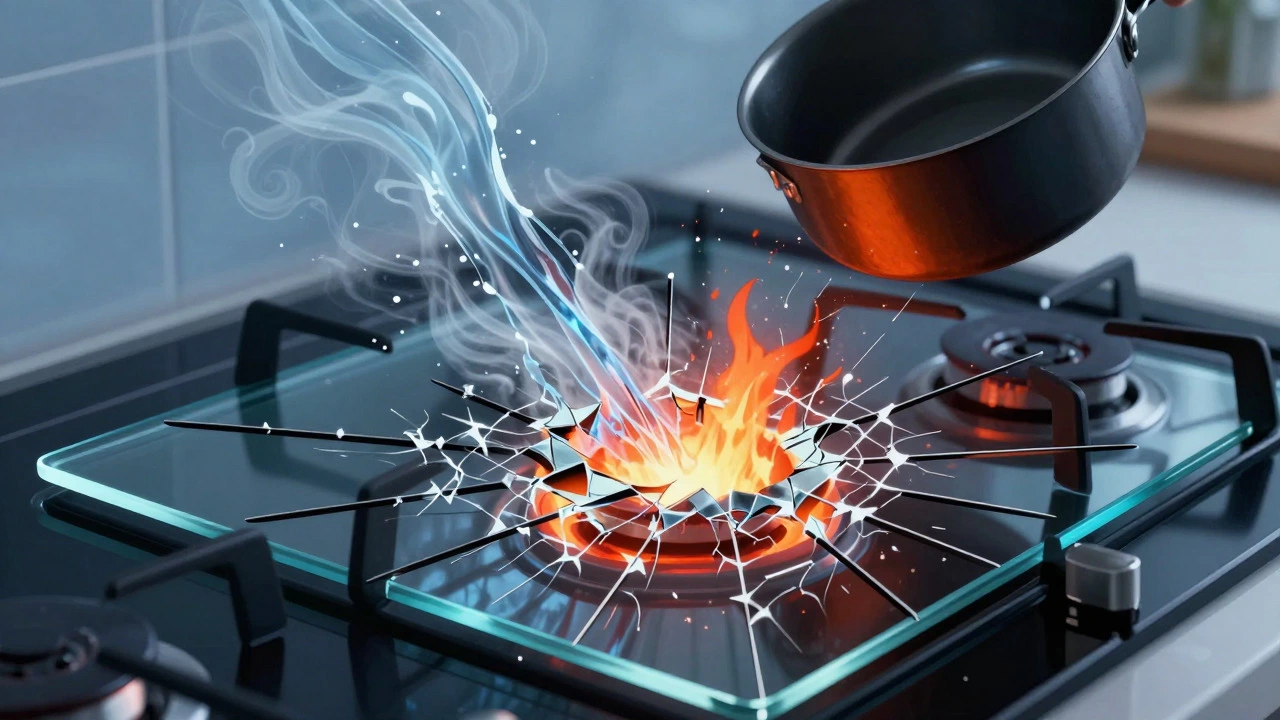
This is the number one killer for ceramic and induction hobs. Pouring cold water on a hot glass surface causes thermal shock. The glass expands and contracts rapidly, leading to micro-cracks. Over time, these cracks spread until the panel shatters. Always let the hob cool down before cleaning it with liquid.
Pot Scratches and Impact Damage
Dropping a heavy pot on a glass top can cause immediate failure. Even dragging pans across the surface creates scratches. On induction hobs, deep scratches can interfere with the magnetic field detection. Use felt pads or lift your cookware instead of sliding it around.
Electrical Voltage Fluctuations
Induction hobs draw significant power. If your home voltage dips or spikes, the internal control boards can burn out. In areas with unstable power grids, a surge protector is not just recommended; it is essential. Check if your circuit breaker is correctly sized for the load.
Neglected Ventilation
For gas hobs, poor ventilation leads to soot buildup inside the burner heads. This clogs the gas flow and damages the igniter. Make sure your range hood is working properly and positioned correctly above the cooking area.
Signs It Is Time for Hob Repair vs. Replacement
Knowing when to call a technician and when to buy new is crucial. Here is a quick decision framework:
| Symptom | Likely Cause | Action |
|---|---|---|
| One burner not lighting (Gas) | Faulty igniter or valve | Repair (Low cost) |
| Glass cracked (Ceramic) | Thermal shock or impact | Replace (High risk/cost) |
| Touch controls unresponsive (Induction) | Control board failure | Repair if <5 years old |
| Heating unevenly (All types) | Element degradation or sensor fault | Diagnose first |
| Constant error codes | Internal component fatigue | Replace if >8 years old |
A general rule of thumb: if the repair cost exceeds 40% of the price of a new unit, replacement is usually smarter. However, if you have a premium gas hob that is only eight years old, repairing a single valve is almost always worth it.
How to Extend the Life of Your Cooking Surface
Preventive maintenance is far cheaper than emergency repairs. You can add several years to your hob’s service life with these simple habits.
- Clean Immediately After Use: Wipe spills while the surface is still warm, not hot. Avoid abrasive cleaners on glass tops. Use a dedicated glass cleaner or a soft cloth with mild detergent.
- Check the Ignition System (Gas): Every six months, clean the spark electrode on gas hobs. Grease buildup prevents sparks from jumping, forcing the piezo element to work harder.
- Inspect Power Cables: For built-in hobs, check the connection behind the unit annually. Loose connections cause arcing, which damages the motherboard.
- Use Compatible Cookware: Induction hobs require ferromagnetic pans. Using non-compatible pots forces the hob to cycle on and off rapidly, stressing the electronics. Stick to stainless steel or cast iron for induction models.
- Keep Vents Clear: Ensure the air intake vents on the back or bottom of the hob are not blocked by cabinets or debris. Overheating kills electronic components faster than anything else.
Regional Considerations for Perth Homeowners
If you live in Perth, local conditions play a role in appliance longevity. The dry climate is generally good for electronics, as humidity causes less corrosion. However, dust is a persistent issue. Fine sand and dust can settle into fan intakes and control panels. Wiping down the exterior weekly helps prevent this buildup.
Also, consider the quality of your local water supply. Hard water leaves mineral deposits on glass surfaces. These spots can etch the glass over time if not cleaned regularly. A vinegar solution works well to dissolve these minerals without scratching the surface.
When to Call a Professional Technician
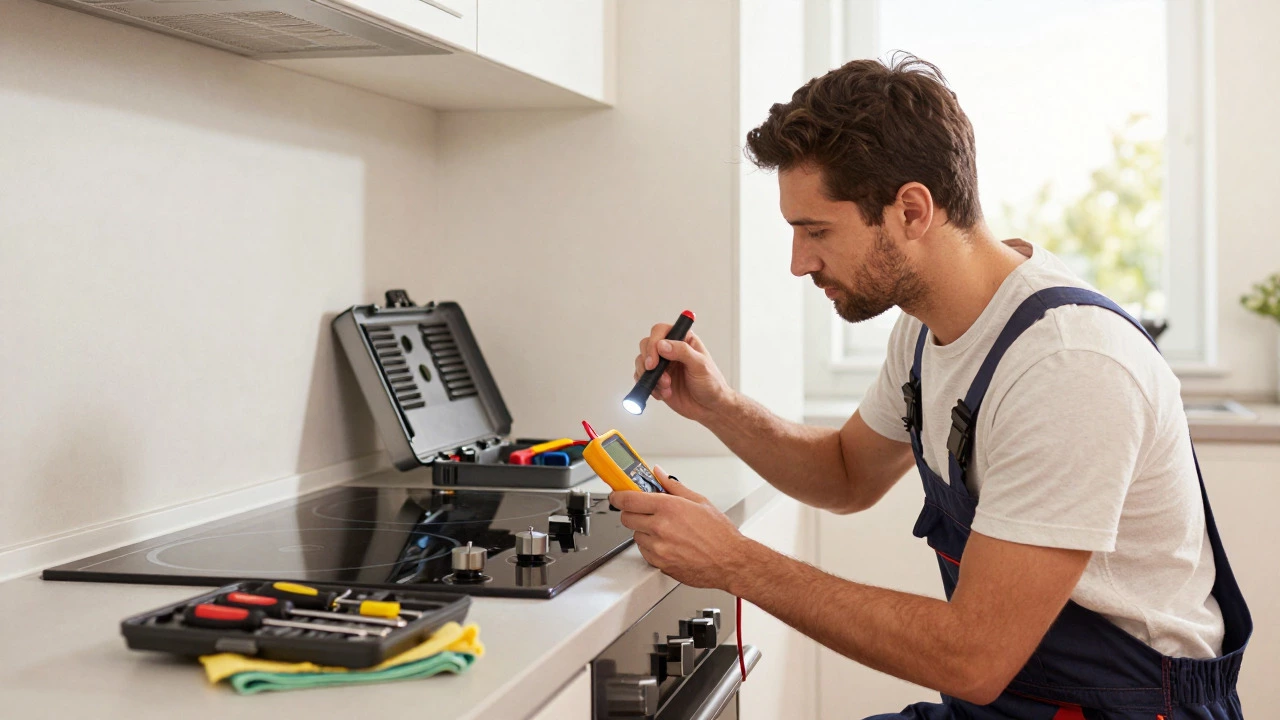
Some issues are dangerous to handle yourself. Gas leaks, for example, require a licensed plumber or gas fitter. Electrical faults involving exposed wiring need a qualified electrician. But for most electronic failures, a specialized appliance repair technician is the right choice.
Look for technicians who specialize in your specific hob brand. Generic repair shops may lack the diagnostic tools for high-end induction units. A specialist can identify whether a faulty temperature sensor is causing the problem or if the main control board needs replacing. This precision saves you from paying for unnecessary parts.
Frequently Asked Questions
Is it worth repairing an old hob?
It depends on the age and type. For gas hobs under 15 years old, repair is usually worthwhile because parts are cheap. For induction or ceramic hobs over 8 years old, replacement is often better due to rising energy efficiency standards and lower upfront costs of newer models.
Why does my induction hob keep shutting off?
This is usually caused by overheating or a loose pan connection. Ensure the pan is centered on the zone and has sufficient mass. Also, check if the cooling fan is running. If the fan is silent, the motor may be failing, requiring professional attention.
Can I replace just the glass on a ceramic hob?
Yes, but it is expensive. The glass panel is a custom-fit part. Labor plus the part often approaches the cost of a mid-range new hob. Only consider this if you have a premium model that is difficult to source elsewhere.
How often should I service a gas hob?
Annual servicing is recommended. A technician will clean the burner jets, check gas pressure, and test the safety cut-off device. This ensures safe operation and maintains efficiency.
Do smart hobs last longer than standard ones?
Not necessarily. Smart features add more software complexity, which can lead to connectivity issues. However, the underlying heating technology remains the same. Focus on the core component warranty rather than the app functionality when assessing longevity.