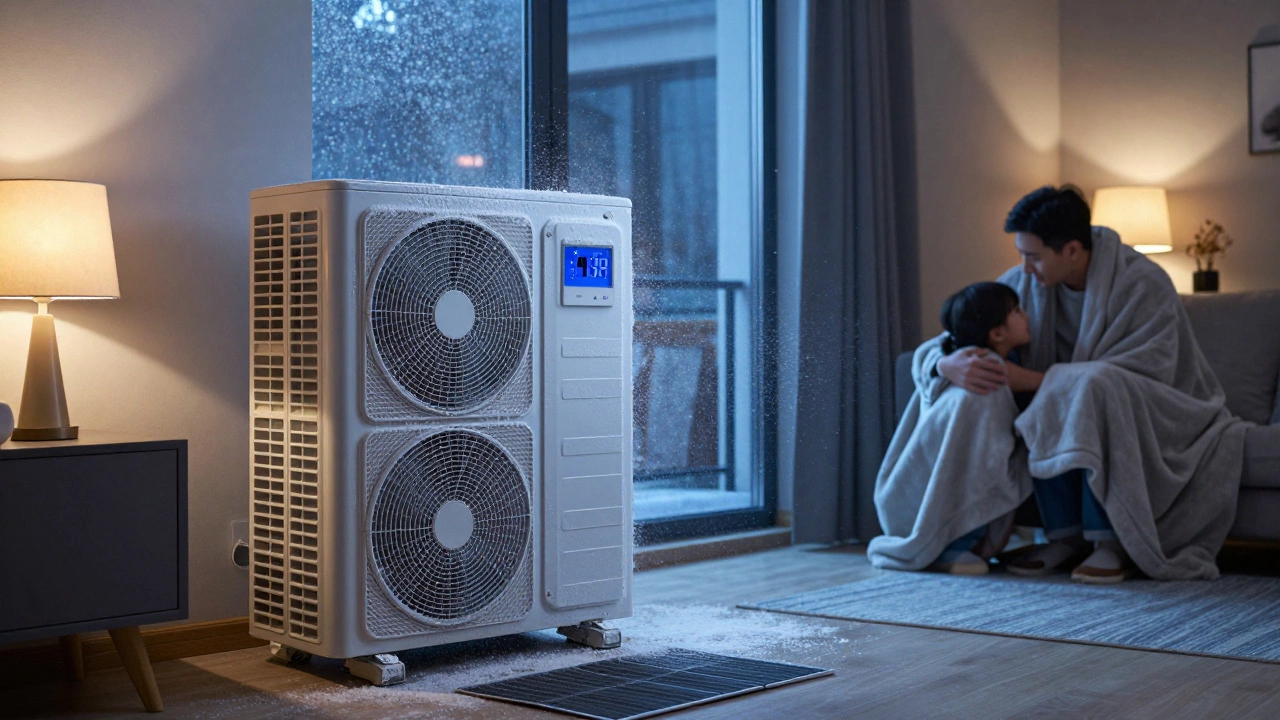
Your heat pump is supposed to keep your home comfortable year-round-warm in winter, cool in summer. But when it starts acting strange, you might not know if it’s just being finicky or if something’s seriously wrong. Unlike a furnace that only heats, or an AC that only cools, a heat pump does both. That means when it fails, it can leave you freezing in January or sweating in July. The good news? You don’t need a degree in HVAC to spot the early warning signs. Here’s what to look for when your heat pump isn’t performing like it should.
1. Your Home Isn’t Heating or Cooling Like It Used To
If your heat pump runs for hours but the temperature barely changes, that’s a red flag. A healthy system should bring your home to the set temperature within 30 to 60 minutes. If it’s taking twice as long-or not getting there at all-it’s struggling. This isn’t normal wear and tear. It’s usually caused by low refrigerant, a failing compressor, or a dirty air filter restricting airflow. Check your filter first. If it’s clogged with dust, replace it. If the problem stays, something deeper is wrong.
2. Strange Noises Coming From the Unit
Heat pumps are quiet. Really quiet. If you hear grinding, screeching, banging, or loud clicking, something’s broken inside. A healthy heat pump makes a soft hum when running. Any sharp or irregular sound means metal parts are rubbing, bearings are worn out, or the fan is misaligned. A rattling noise could mean loose panels or debris inside the outdoor unit. A high-pitched whine? That’s often a sign of refrigerant pressure issues or a failing motor. Don’t ignore these sounds. They don’t fix themselves, and they’ll only get worse-and more expensive-to repair.
3. Ice or Frost Buildup on the Outdoor Unit
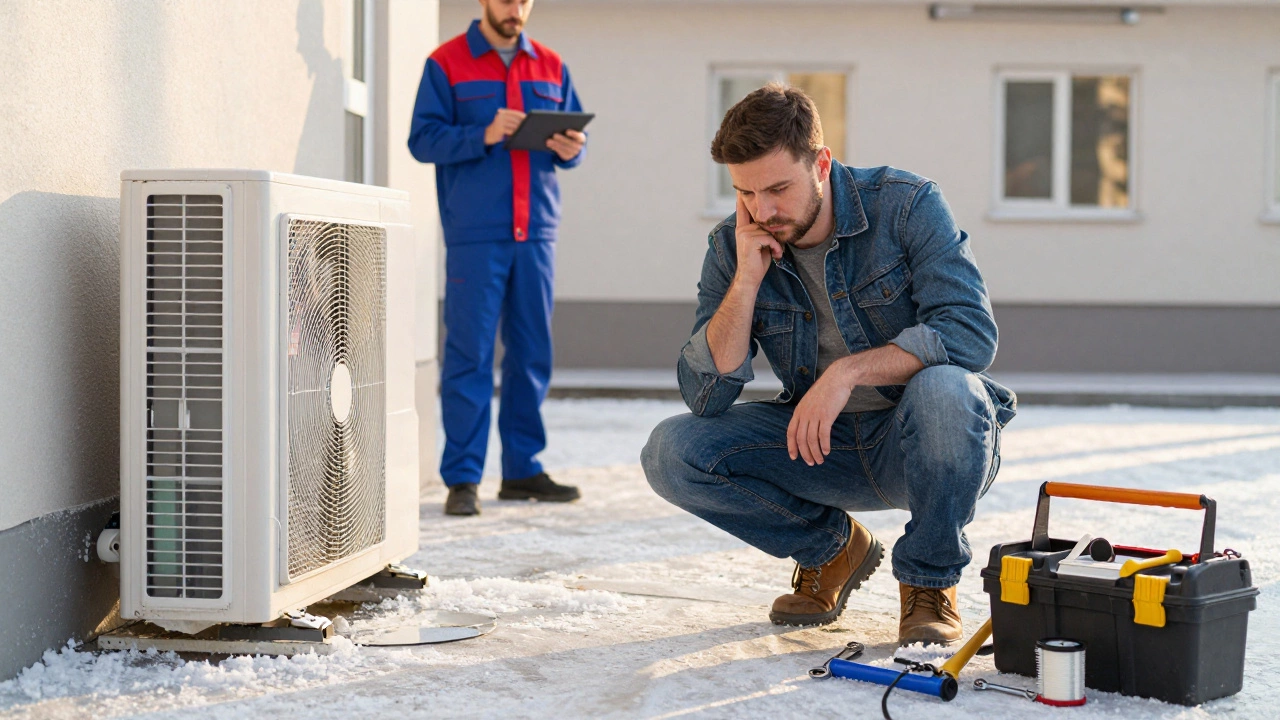
A little frost on the outdoor coil in cold weather is normal. But thick ice? That’s not. If you see a solid sheet of ice covering the entire unit, especially in temperatures above freezing, your heat pump is in trouble. This usually happens because the defrost cycle isn’t working. The system is supposed to melt ice automatically every few hours. If it doesn’t, the ice builds up, blocks airflow, and forces the compressor to work harder. Ice buildup can lead to compressor failure, which costs thousands to replace. If you notice ice, turn the heat pump off and call a technician. Don’t try to chip it off yourself.
4. The System Turns On and Off Too Often
Short cycling-when your heat pump turns on for a minute, shuts off, then turns back on again-is a classic sign of trouble. It can happen because of a dirty air filter, a refrigerant leak, or an oversized system. But the most dangerous cause? A faulty thermostat or a failing capacitor. Short cycling puts extreme stress on the compressor and motor. It wears them out fast. You’ll see higher energy bills, too. If your heat pump cycles more than 4 to 6 times an hour, it’s not just annoying-it’s damaging itself.
5. High Energy Bills With No Change in Usage
If your heating or cooling bills jumped 20% or more this month and you haven’t changed your thermostat settings or added people to the house, your heat pump is likely wasting energy. A healthy system runs efficiently. When it starts using more power to do the same job, something’s off. Low refrigerant, a dirty coil, or a failing fan motor can all force the unit to work harder. Compare your bills from last year. If the trend is going up and you’re not using it more, that’s a clear signal.
6. Warm Air Blowing in Heating Mode (or Cold Air in Cooling Mode)
This one’s easy to spot. In winter, your heat pump should blow warm air-around 90 to 105°F. If it’s blowing air that’s barely lukewarm or even cool, it’s not heating properly. In summer, if you feel cold air but the temperature isn’t dropping, it’s not cooling. This usually points to a refrigerant leak, a reversing valve failure, or a malfunctioning thermostat. The reversing valve is what switches the system between heating and cooling. If it gets stuck, your heat pump can’t do its job. This isn’t something you can fix with a DIY fix. It needs professional diagnosis.
7. Water Leaking Around the Indoor Unit
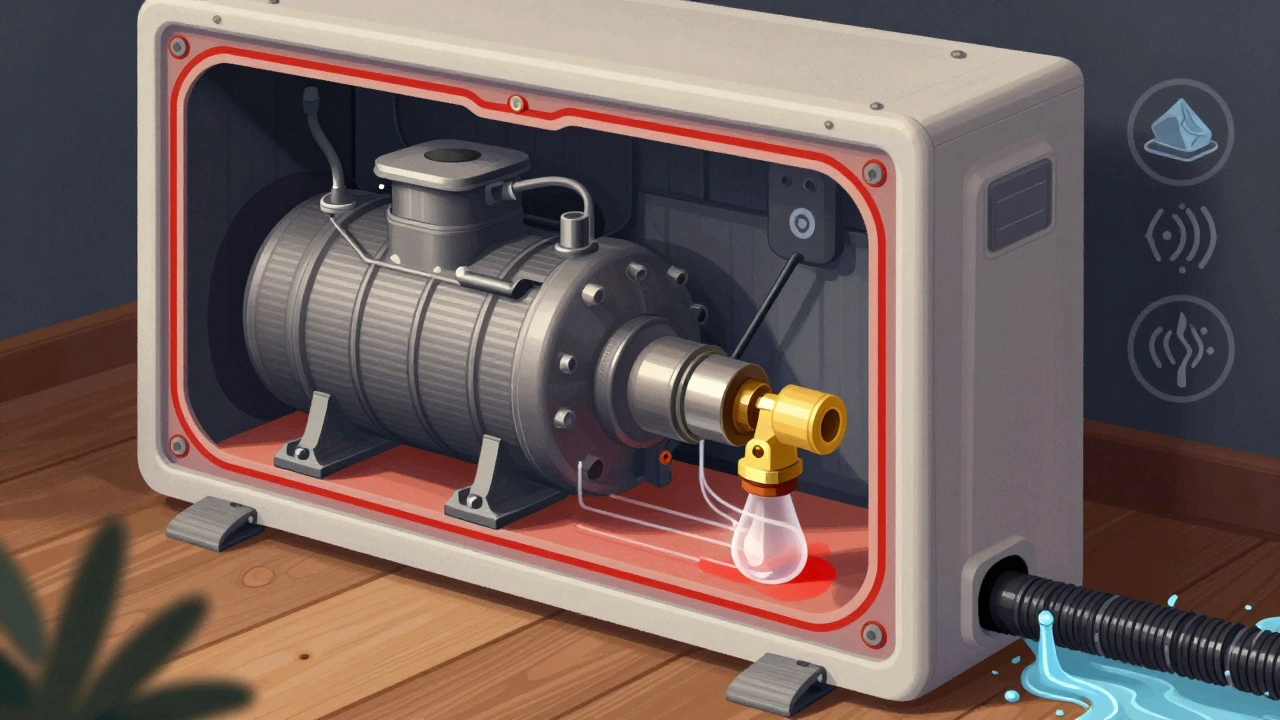
Condensation is normal. But if you see puddles on the floor near your indoor air handler, that’s a problem. Water should drain out through a pipe. If it’s leaking, the drain line is clogged, the condensate pump is broken, or the drain pan is cracked. A clogged drain can cause water damage to your ceiling, walls, or flooring. It can also trigger safety switches that shut the system down. Check the drain line first. If it’s blocked, use a wet/dry vacuum to clear it. If water keeps leaking after cleaning, the pan or pump may need replacing.
8. The Thermostat Isn’t Responding
Before you assume the heat pump is broken, check the thermostat. A dead battery, loose wiring, or outdated programming can make it seem like the system isn’t working. Try replacing the batteries. Reset the thermostat by turning it off for 60 seconds. If the display is blank, flickering, or showing error codes like “E1” or “PF,” the thermostat might be faulty. Some older thermostats aren’t compatible with modern heat pumps. If you have a manual thermostat from the 90s, upgrading to a smart thermostat could solve the problem.
What to Do When You Notice These Signs
Don’t wait until the system completely dies. The longer you ignore these signs, the more damage you’ll do-and the more it’ll cost to fix. Here’s what to do step by step:
- Check the air filter. Replace it if it’s dirty. This fixes 30% of heat pump issues.
- Clear debris from the outdoor unit. Keep leaves, snow, and grass at least 2 feet away.
- Reset the thermostat. Turn it off for a minute, then back on.
- Check for ice or water leaks. If you see either, shut off the system and call a pro.
- Call a licensed technician. If the problem persists after basic checks, don’t guess. A trained tech can check refrigerant levels, test electrical components, and inspect the compressor.
Prevention Is Better Than Repair
Most heat pump failures happen because of neglect. A system that gets cleaned and checked once a year lasts 15 to 20 years. One that’s ignored? It might die in 8 to 10. Schedule a professional tune-up in spring and fall. They’ll clean the coils, check refrigerant, test the reversing valve, and catch small problems before they become big ones. It costs less than $150-and could save you $2,000 in emergency repairs.
When to Replace Instead of Repair
Not every problem is worth fixing. If your heat pump is over 12 years old and you’re facing:
- Repeated refrigerant leaks
- A failing compressor
- Costly repairs over $1,000
- Constant short cycling
It’s time to replace. Modern heat pumps are 30% more efficient, quieter, and come with smart controls. You’ll recoup the cost in energy savings within 3 to 5 years. Plus, many utility companies offer rebates for upgrading to high-efficiency models.
Can a dirty air filter really cause my heat pump to stop working?
Yes. A clogged air filter restricts airflow, which forces the system to work harder. This can cause the evaporator coil to freeze, trigger safety shutoffs, and even damage the compressor over time. It’s the most common and easiest fix-replace the filter every 1 to 3 months depending on usage.
Why does my heat pump blow cold air in heating mode?
This usually means the reversing valve is stuck or the refrigerant level is too low. The reversing valve switches the flow of refrigerant to change between heating and cooling. If it fails, the system can’t generate enough heat. Low refrigerant means the system can’t absorb enough heat from outside air. Both require professional repair.
Is it normal for my heat pump to run all day in winter?
In very cold weather (below 30°F), it’s normal for a heat pump to run longer because it’s working harder to pull heat from chilly air. But if it’s running nonstop and your home still feels cold, that’s not normal. It could mean the unit is undersized, the refrigerant is low, or the outdoor coil is frozen.
How often should I have my heat pump serviced?
At least once a year-ideally in spring and fall. A professional service includes cleaning coils, checking refrigerant levels, testing electrical components, and inspecting the ductwork. Regular maintenance cuts energy bills by 15-25% and extends the life of the unit.
Can I add refrigerant to my heat pump myself?
No. Refrigerant is a regulated substance. Only licensed technicians can handle it. Adding refrigerant without fixing the underlying leak (like a cracked line or corroded coil) will only lead to more leaks and higher costs. Plus, overcharging the system can damage the compressor.