Thermal Shock Risk Calculator
Thermal shock causes over 60% of electric hob failures. Calculate your risk based on your cooking habits.
Prevention Tip:
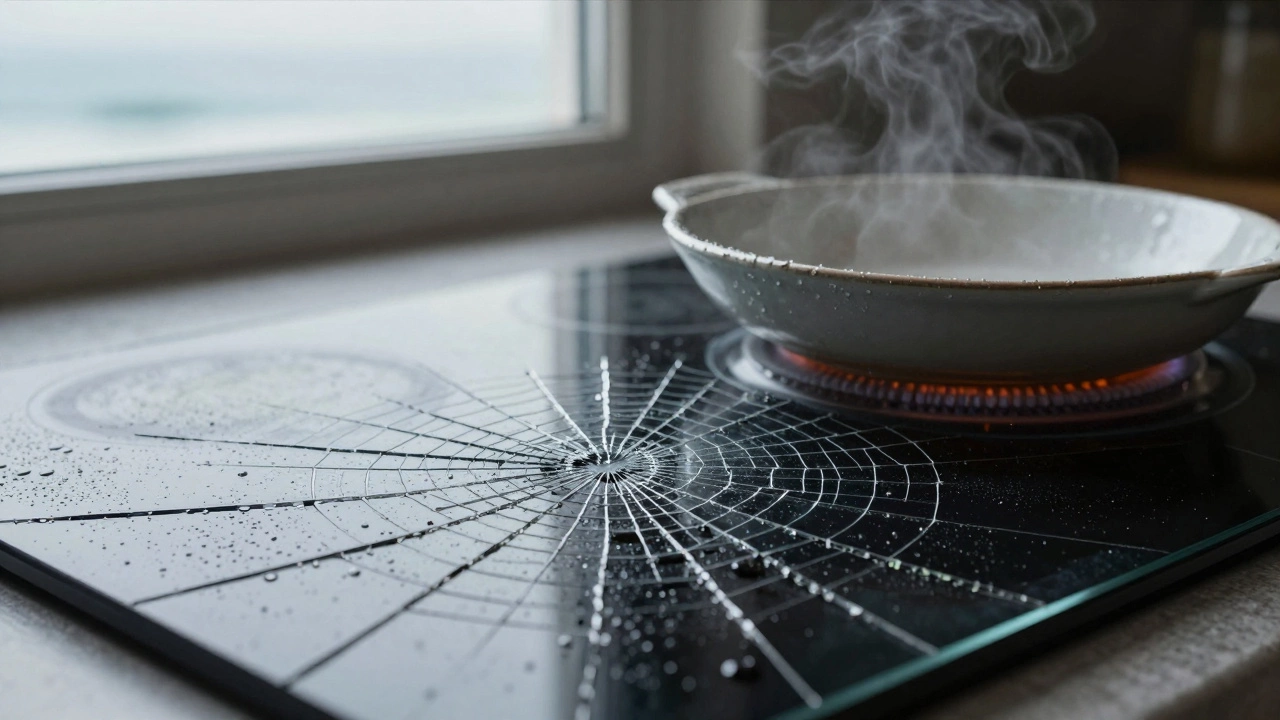
Nothing sounds worse than the sharp crack when you turn on your electric hob and see a spiderweb of lines spreading across the glass surface. You didn’t drop anything. You didn’t slam a pot down. So why did it crack? If your electric hob has a cracked surface, you’re not alone. In Perth’s coastal climate, where temperature swings are common and cooking habits are fast-paced, cracked ceramic hobs show up more often than people think.
Thermal Shock Is the #1 Culprit
The most common reason an electric hob cracks is thermal shock. That’s when one part of the glass heats up fast while another stays cold. Glass expands when hot and contracts when cold. If the temperature difference is too big, too fast, the glass can’t handle the stress - and it cracks.
Think about this: you boil water in a heavy pot, then quickly set a cold, wet dish right on the hot zone. Or you spill cold water on a glowing hot element. That sudden drop in surface temperature creates tension. Ceramic glass isn’t plastic - it doesn’t bend. It snaps.
Studies from the Australian Ceramic Society show that over 60% of reported hob failures in homes with electric cooktops are linked to rapid temperature changes. It’s not a defect. It’s physics.
Heavy or Uneven Cookware Can Do It Too
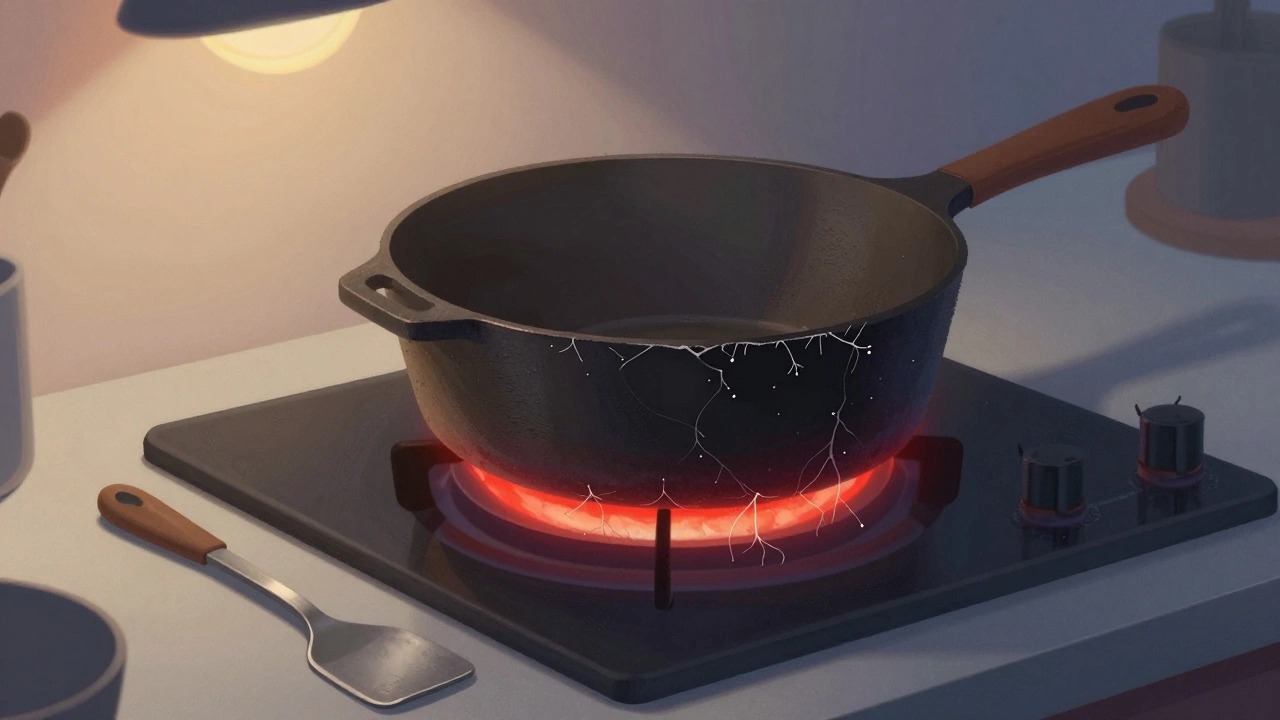
Not all pots and pans are created equal. If you’re using a warped, heavy, or uneven-bottomed pot - especially cast iron or thick-bottomed stainless steel - you’re putting pressure on the glass in one spot. Over time, that pressure adds up.
Imagine standing on a thin sheet of glass with one foot. You might not break it. But if you stand on it with a 10kg dumbbell under your heel? That’s the same thing. The weight isn’t spread out. The glass flexes, then cracks.
Many people don’t realize that even a slightly warped pot can cause micro-fractures over months. Those tiny cracks grow with every use until one day, it just gives way.
Manufacturing Defects Happen - But Rarely
It’s tempting to blame the manufacturer. And yes, sometimes the glass isn’t tempered right. But factory defects are rare. Most modern hobs use reinforced ceramic glass designed to handle up to 300°C temperature changes. Brands like Bosch, Siemens, and Electrolux test their glass under extreme conditions before shipping.
If your hob cracked within the first six months and you never abused it, it’s worth checking the warranty. But if it’s been five years? Odds are it wasn’t a factory issue. It was how it was used.
Physical Impact - Even Small Ones
You didn’t drop a cast iron skillet. But what about that metal spoon you slid across the surface? Or the lid you banged against the edge? Or the cleaning scraper you used too hard?
Even minor impacts - the kind you don’t even notice - can create invisible stress points. Over time, those points become weak spots. A single hot spot, a bit of moisture, and suddenly the whole thing fractures.
One technician in Perth told me he’s seen hobs crack after someone used a metal spatula to scrape off burnt-on food. No visible dent. No loud bang. Just a hairline crack that spread over three weeks.
Moisture and Salt Are Silent Killers
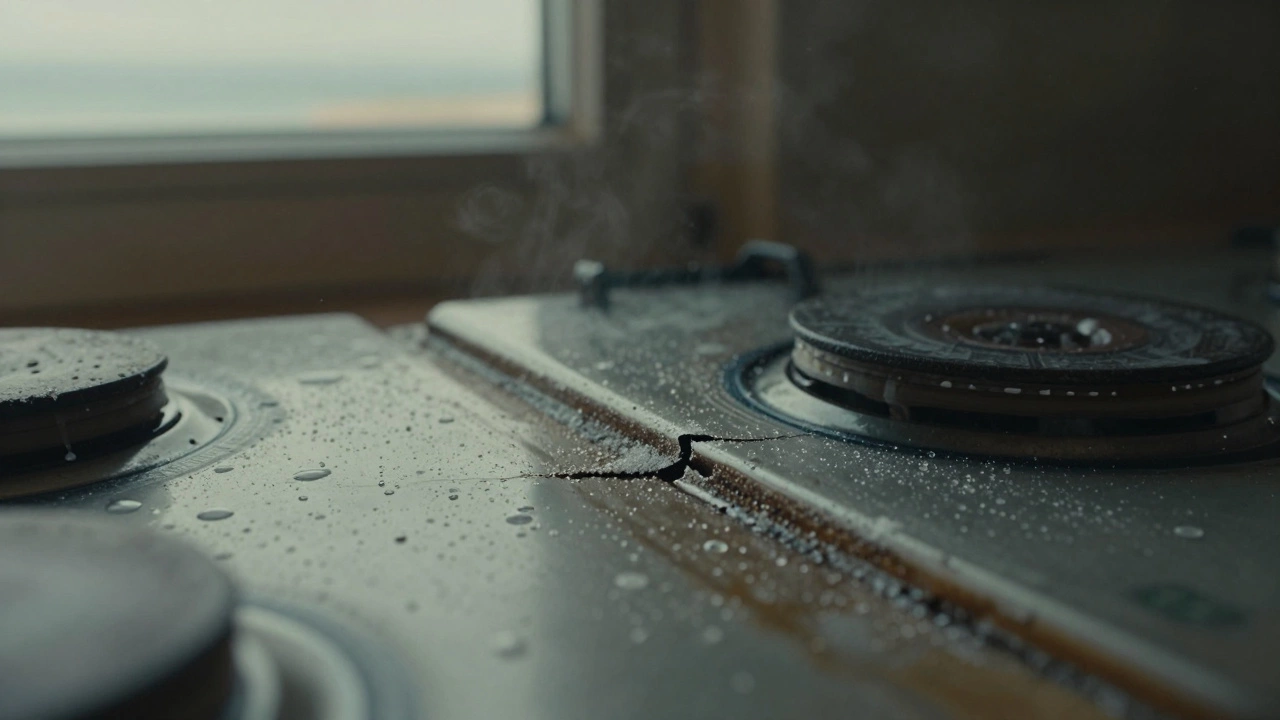
Perth’s salty sea air doesn’t just corrode your car. It seeps into tiny cracks in the hob’s seals. Moisture gets trapped under the glass, especially near the edges. When the hob heats up, that moisture turns to steam. It expands. It pushes.
Over months, this steam pressure lifts the glass slightly, creating gaps. Then, when the glass heats unevenly, it cracks right where the seal failed. This is why hobs near windows, in coastal homes, or in poorly ventilated kitchens are more prone to cracking.
Regular cleaning with a damp cloth helps. But never use vinegar or abrasive cleaners near the edges. They break down the sealant over time.
Old Age and Wear
Electric hobs aren’t meant to last forever. Most are built to last 10-15 years. After that, the glass starts to lose its resilience. The internal layers degrade. The tempering weakens. It’s like a car tire that’s been driven 100,000 km - it still works, but it’s more likely to blow out under stress.
If your hob is over 12 years old and you’ve never replaced the glass, you’re running on borrowed time. Even if you’ve been careful, the material just wears out.
What to Do When Your Hob Cracks
First - turn it off. Unplug it. Don’t use it. Even a small crack can let moisture in, which can cause electrical shorts. You don’t want a fire or a shock.
Next, check your warranty. If it’s still valid, contact the manufacturer. Most will cover the glass replacement if it’s under 5 years.
If it’s out of warranty, you have two real options:
- Replace just the glass top - This costs between $300 and $600, depending on the model. It’s cheaper than a whole new hob, and the rest of the unit (burners, controls, wiring) is often still fine.
- Replace the whole hob - If your unit is old, or the controls are failing too, it might make sense to upgrade. New hobs are more energy-efficient and have better safety features.
Avoid cheap third-party glass replacements. They’re often not the right thickness or heat rating. I’ve seen them crack again in under a month.
How to Prevent It From Happening Again
Here’s what actually works:
- Use flat-bottomed cookware - Make sure pots sit evenly. No rocking.
- Don’t put cold items on hot zones - Let the hob cool for 10 minutes before placing cold dishes on it.
- Never use metal scrapers - Use a ceramic hob scraper (plastic blade) or a paste of baking soda and water.
- Keep the edges clean and dry - Wipe up spills quickly, especially saltwater or sugary liquids.
- Check your seals yearly - If you see gaps or discoloration near the edge, get it inspected.
- Upgrade if you’re over 10 years old - Newer models have better thermal shock resistance.
It’s not about being perfect. It’s about avoiding the big mistakes. Most cracked hobs could’ve been prevented with a few simple habits.
When to Call a Professional
If you’re unsure whether the crack is just cosmetic or if the heating elements underneath are damaged, call a technician. A cracked surface doesn’t always mean the whole hob is dead - but it can hide wiring issues.
Signs you need help:
- One zone doesn’t heat properly
- There’s a burning smell
- The control panel flickers or resets
- Water pools under the glass
Don’t try to fix it yourself. Electric hobs carry live voltage even when turned off. A cracked surface makes it even riskier.
Final Thought: It’s Not Your Fault - But It’s Your Responsibility
Cracking isn’t always your fault. Sometimes it’s just bad luck. But once you know the causes, you can protect your investment. A cracked hob isn’t just an inconvenience - it’s a safety hazard. Fixing it early saves money, time, and risk.
Most people wait until the crack spreads. Then they panic. Don’t wait. Check your hob. Adjust your habits. And if it’s cracked - get it replaced before it becomes something worse.
Can a cracked electric hob be repaired with glue?
No. No household adhesive can safely bond ceramic glass under high heat. Glue will burn, melt, or release toxic fumes. Even high-temperature epoxies aren’t rated for direct contact with heating elements. A cracked hob must be replaced - not patched.
Is it safe to use a hob with a small crack?
No. Even a small crack lets moisture and food particles get underneath the glass. This can cause electrical shorts, overheating, or even fire. The glass also becomes weaker and can shatter unexpectedly under pressure or heat. Stop using it immediately.
Why does my hob crack only in winter?
Cold indoor air and cold pots are more common in winter. If you’re using cold cookware or splashing cold water on a hot hob during colder months, the temperature difference is sharper. That increases thermal shock. It’s not the season - it’s how you’re using the hob in that season.
Will a new hob crack the same way?
Not if you change your habits. New hobs are better insulated and made with tougher glass. But if you keep using warped pots, slamming cold dishes on hot zones, or cleaning with metal tools, the new one will crack too. The appliance doesn’t cause the problem - the usage does.
How much does it cost to replace just the glass top?
Replacing just the glass top costs between $300 and $600, depending on the brand and model. It’s usually 40-60% cheaper than buying a whole new hob. Make sure the technician uses the manufacturer’s original part - aftermarket glass often fails faster.